

Louisiana’s intense heat and humidity create unique challenges for roofing materials. The state’s long summers with temperatures often exceeding 90°F, combined with high moisture levels, can significantly reduce the lifespan of certain roof types. Understanding which materials perform best in these conditions helps homeowners make smart choices for their homes.
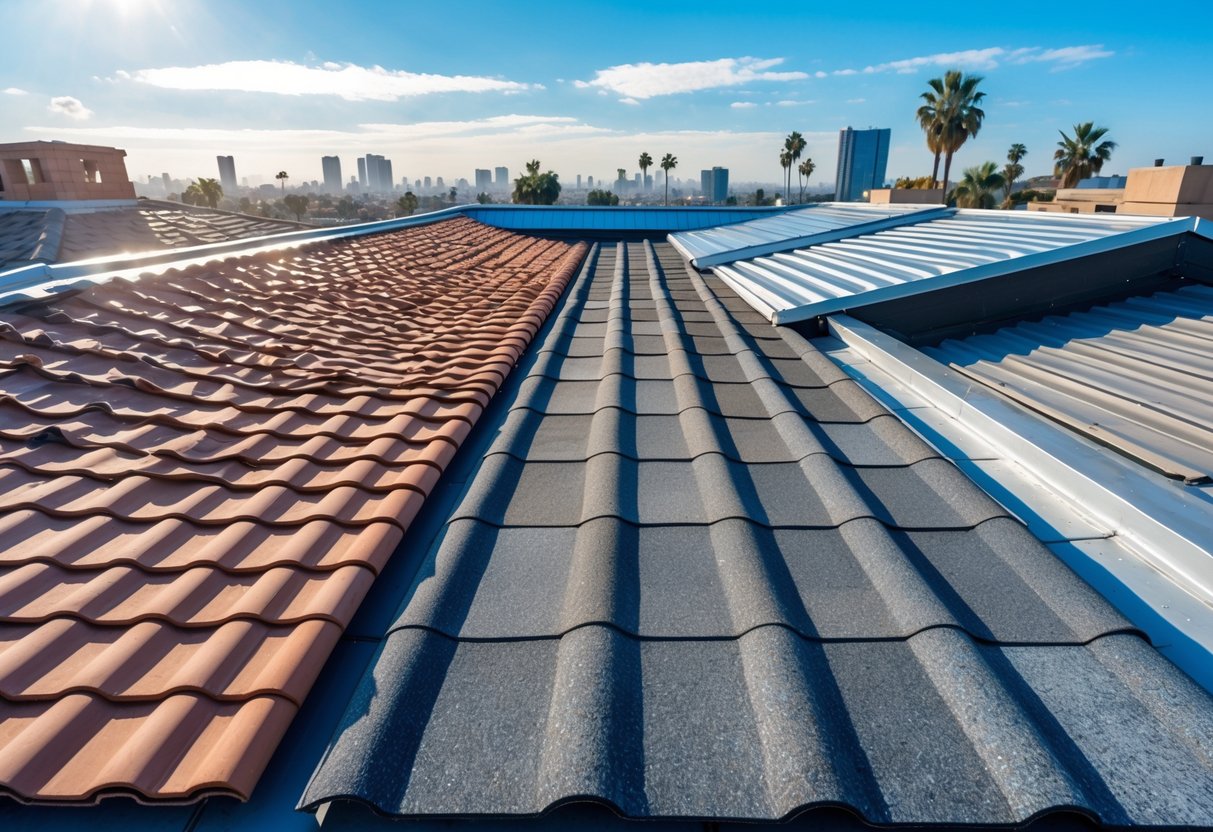
Metal roofing and clay tiles last longest in Louisiana’s climate, with lifespans of 40-70+ years and 50-100 years respectively, while standard asphalt shingles may only last 15-20 years due to heat damage. The sun’s UV rays and extreme temperatures cause asphalt shingles to dry out, crack, and lose granules much faster than in cooler climates. Materials that reflect heat rather than absorb it tend to perform much better in Louisiana’s weather.
Climate plays a bigger role in roof lifespan than most homeowners realize. Proper material selection based on local weather patterns can mean the difference between replacing a roof every 15 years versus every 50 years. The right choice depends on balancing upfront costs with long-term performance in Louisiana’s demanding environment.
Key Takeaways
- Metal and tile roofs last significantly longer than asphalt in Louisiana’s hot climate
- Heat and humidity reduce standard asphalt shingle lifespan by several years compared to cooler regions
- Proper ventilation and light-colored materials help maximize any roof’s lifespan in hot weather
How Louisiana’s Heat and Sun Impact Roof Lifespan
Louisiana’s intense heat and UV radiation can cut roof lifespan in half compared to milder climates. The state’s unique combination of extreme sunlight, high humidity, and frequent storms creates challenging conditions that accelerate material breakdown and structural damage.
Effects of Extreme Sunlight and UV Radiation
Louisiana receives some of the highest UV radiation levels in the United States. This intense sun exposure causes rapid deterioration of roofing materials through multiple pathways.
Asphalt shingles suffer the most damage from UV rays. The granules that protect shingles gradually wear away under constant sun exposure. Once granules disappear, the underlying asphalt absorbs more UV light, causing exponential damage.
UV radiation breaks down the chemical bonds in roofing materials. This process leads to:
- Cracking and splitting of shingles
- Color fading and chalking
- Loss of flexibility in materials
- Premature aging of protective coatings
Metal roofs, while more heat-resistant, still face challenges. Continuous heating and cooling cycles weaken fasteners and flashing. This thermal stress increases the likelihood of leaks over time.
The sun’s intensity in Louisiana means roofs can reach surface temperatures exceeding 150°F during summer months. These extreme temperatures accelerate all forms of material degradation.
Role of Humidity and Precipitation
Louisiana’s subtropical climate combines high humidity with frequent heavy rainfall. This moisture-rich environment creates additional stress on roofing systems beyond sun damage alone.
High humidity levels promote biological growth on roof surfaces. Mold growth and algae growth thrive in Louisiana’s warm, moist conditions. These organisms retain moisture against roofing materials, accelerating decay.
The state receives over 60 inches of annual rainfall. Frequent storms and hurricanes subject roofs to:
- Wind-driven rain penetration
- Standing water from poor drainage
- Debris impact damage
- Rapid temperature changes
Water damage becomes more severe when combined with heat stress. Materials already weakened by UV exposure become more vulnerable to moisture penetration. This creates a cycle where heat damage enables water intrusion, leading to faster deterioration.
The Gulf Coast location means roofs face extreme weather patterns throughout the year. These conditions prevent materials from recovering between weather events.
Thermal Expansion and Material Degradation
Daily temperature swings in Louisiana cause roofing materials to expand and contract repeatedly. Summer temperatures can reach 95°F while winter lows drop to 40°F, creating significant thermal stress.
Expansion and contraction cycles affect different materials in specific ways:
- Asphalt shingles develop stress fractures
- Metal panels experience fastener loosening
- Flashing separates from connection points
- Sealants crack and fail
This constant movement weakens the structural integrity of the entire roofing system. Materials fatigue over time, similar to bending a paper clip repeatedly until it breaks.
The combination of thermal stress and moisture creates ideal conditions for roof lifespan reduction. Materials that might last 25-30 years in moderate climates often fail in 15-20 years in Louisiana.
Heat also softens asphalt-based materials during peak summer temperatures. This softening allows granules to separate more easily and makes shingles susceptible to damage from foot traffic or debris impact.
Roofing Materials Ranked by Longevity in Louisiana Climates
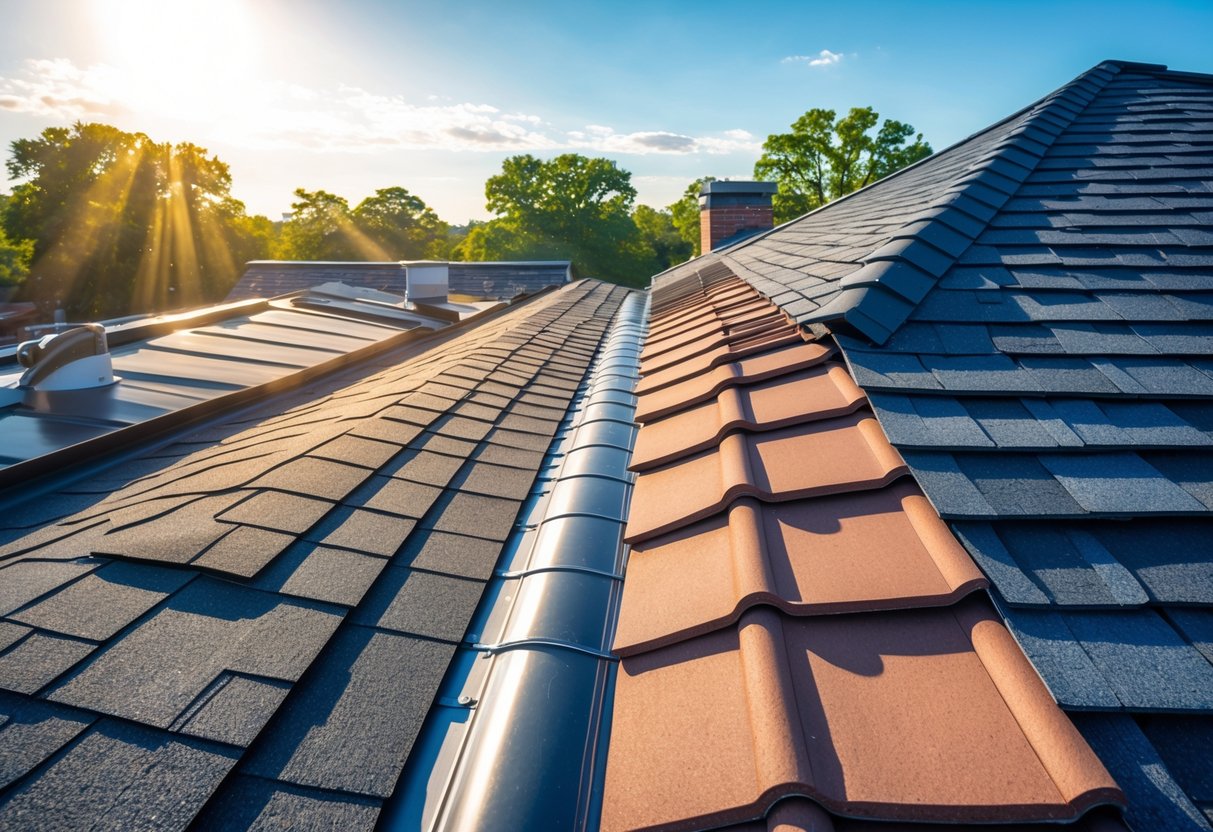
Louisiana’s intense heat, humidity, and frequent storms create unique challenges for roofing materials. Slate and concrete tiles offer the longest lifespan at 50-100+ years, while metal roofing provides excellent durability for 40-70 years with superior heat reflection.
Slate and Tile Roofing Performance
Slate roofing delivers the longest lifespan in Louisiana, lasting over 100 years even under extreme conditions. This natural stone material resists heat damage, UV exposure, and moisture absorption that destroys other materials.
Slate Benefits in Louisiana:
- Non-porous surface prevents water damage
- Naturally fire-resistant
- Maintains structural integrity in high winds
- Requires minimal maintenance over decades
Concrete tiles and clay tile roofing offer 50-100 year lifespans in Louisiana’s climate. These materials handle intense sun exposure better than asphalt alternatives.
Tile roofing excels in heat reflection, keeping homes cooler during summer months. The heavy weight requires proper structural support but provides superior storm resistance.
Clay tiles naturally resist moisture penetration and mold growth. Concrete tiles cost less than clay while offering similar durability benefits.
Metal Roofing Durability
Metal roofing systems last 40-70+ years in Louisiana’s challenging climate conditions. These roofs reflect solar heat instead of absorbing it, reducing cooling costs significantly.
Metal Roofing Lifespans:
- Steel: 40-60 years
- Aluminum: 50-70 years
- Copper roofing: 100+ years
Metal roofs withstand hurricane-force winds better than most alternatives. Proper installation and quality materials ensure maximum lifespan in coastal Louisiana areas.
Standing seam metal roofing performs exceptionally well against heavy rains and humidity. The interlocking panels create watertight barriers that prevent moisture infiltration.
Aluminum resists corrosion naturally, making it ideal for Louisiana’s humid conditions. Steel requires protective coatings to prevent rust in high-moisture environments.
Synthetic Roofing Lifespan
Synthetic roofing materials last 40-50+ years while mimicking natural materials like slate or wood shakes. These engineered products resist Louisiana’s UV exposure and moisture better than traditional alternatives.
Modern synthetic roofing combines recycled materials with advanced polymers. This creates lightweight options that don’t require structural reinforcement like slate roofing.
Synthetic Roofing Advantages:
- Consistent performance in extreme weather
- High impact resistance from hail
- UV-stable additives prevent degradation
- Lower maintenance than natural materials
Synthetic materials maintain their appearance longer than wood shingles or asphalt alternatives. They resist algae growth and color fading common in humid climates.
Installation costs less than slate while providing similar aesthetic appeal. The lighter weight reduces structural stress on older Louisiana homes.
Asphalt Shingle Roofs in Southern Conditions
Asphalt shingle roofs typically last 15-30 years in Louisiana’s harsh climate. Standard 3-tab shingles provide the shortest lifespan, while architectural shingles offer better durability.
Asphalt Shingle Lifespans in Louisiana:
- Standard shingles: 15-20 years
- Architectural shingles: 25-30 years
- Premium architectural: 30+ years
Louisiana’s intense heat causes asphalt shingles to dry out and curl faster than in cooler climates. UV exposure breaks down the protective granules that shield the underlying material.
High humidity accelerates granule loss and promotes algae growth on asphalt shingle roofs. Dark streaks indicate algae that can shorten roof lifespan significantly.
Proper attic ventilation extends asphalt shingle life by reducing heat buildup. Poor ventilation can cut the expected lifespan by 5-10 years in Louisiana’s climate.
Premium architectural shingles with enhanced UV protection perform better than standard options. The multiple layers provide increased durability against thermal cycling and storm damage.
Key Factors Affecting How Long Roofs Last in Louisiana
Poor installation can cut a roof’s life in half, while proper maintenance and ventilation systems help roofs reach their expected lifespan even in Louisiana’s harsh climate. These three factors work together to determine whether a roof lasts 15 years or 25+ years.
Quality of Installation
Installation quality directly impacts how long roofs survive Louisiana’s extreme weather. Poor installation creates weak spots where wind and rain cause early failure.
Improper fastening allows shingles to lift during storms. Contractors who skip proper flashing around chimneys and vents create leak points that cause water damage within years.
Critical installation factors include:
- Proper nail placement and spacing
- Correct flashing installation
- Adequate starter strips
- Proper ventilation setup
Licensed contractors follow manufacturer specifications for Louisiana’s wind zones. They know local building codes require specific fastening patterns for hurricane resistance.
Poor installation voids manufacturer warranties. Homeowners lose protection against defective materials when installers don’t follow proper procedures.
Quality installation costs more upfront but prevents expensive repairs later. Professional installers understand how Louisiana’s heat affects material expansion and plan accordingly.
Maintenance Practices
Regular maintenance extends roof lifespan by catching problems before they cause major damage. Louisiana homeowners who perform annual roof inspections often get 5-10 extra years from their roofs.
Essential maintenance tasks include:
- Cleaning gutters and downspouts
- Removing debris from roof surfaces
- Checking for cracked shingles
- Looking for water stains in attics
Roof inspection should happen twice yearly – before and after hurricane season. Homeowners need to check for loose or missing shingles after major storms.
Small repairs prevent big problems. Replacing a few cracked shingles costs hundreds of dollars, while ignoring them leads to thousands in water damage repairs.
Professional roof maintenance includes checking flashing, seals around vents, and gutter attachment points. These areas fail first in Louisiana’s climate but are easy to fix when caught early.
Ventilation and Insulation’s Role
Proper ventilation prevents moisture buildup that rots roof decking and shortens material life. Louisiana’s humidity makes ventilation critical for preventing mold growth and heat damage.
Ridge vents and soffit vents create airflow that removes hot, moist air from attic spaces. Without this airflow, temperatures reach 150+ degrees and cook roofing materials from below.
Ventilation benefits include:
- Lower attic temperatures
- Reduced ice dam formation
- Prevention of moisture damage
- Better energy efficiency
Insulation works with ventilation to regulate temperature. Proper insulation keeps conditioned air inside while preventing heat transfer to the roof deck.
Poor ventilation causes premature aging of all roofing materials. Asphalt shingles become brittle and crack when exposed to excessive attic heat.
Balanced ventilation systems need equal intake and exhaust vents. Blocked soffit vents or insufficient ridge vents create circulation problems that damage roofs faster than Louisiana weather alone.
Common Causes of Roof Deterioration and Damage
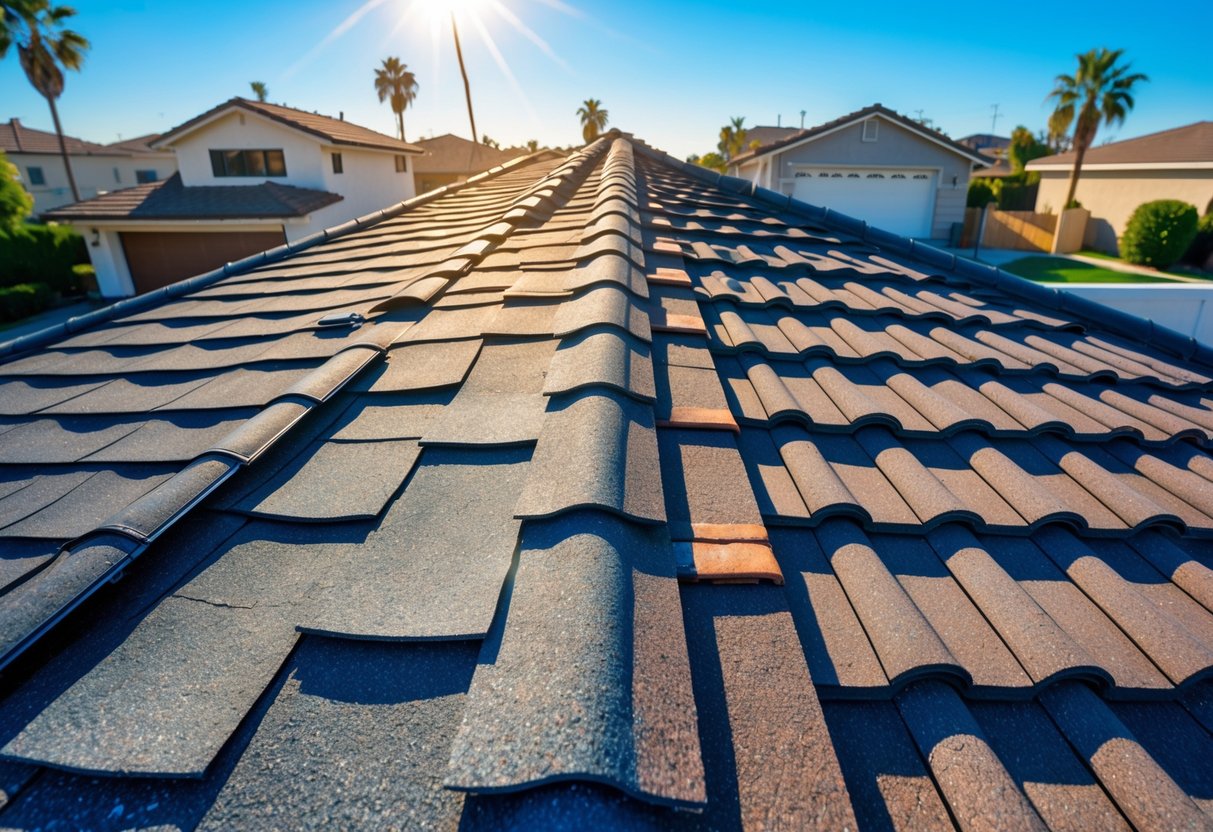
Several key factors accelerate roof deterioration in LA’s climate, including persistent moisture exposure that leads to water damage and structural decay, intense UV radiation that breaks down roofing materials, and warm humid conditions that promote harmful biological growth like mold and algae.
Moisture and Water Damage
Water damage ranks as the most destructive force affecting roof systems. Even small leaks can cause significant structural problems over time.
Cracked shingles create entry points for water infiltration. Heat expansion and contraction cause shingles to split and curl. These cracks allow rainwater to penetrate the roof deck below.
Water stains on ceilings indicate active roof leaks. These stains often appear long after damage begins inside the roof structure. The moisture travels along rafters and decking before becoming visible indoors.
Humidity creates additional moisture problems. High humidity levels cause condensation in poorly ventilated attic spaces. This trapped moisture rots wooden roof components from the inside out.
Regular roof inspection helps catch water damage early. Homeowners should check for missing or damaged shingles after storms. Professional inspections identify problems not visible from ground level.
| Water Damage Signs | Action Required |
|---|---|
| Ceiling stains | Immediate repair |
| Curled shingles | Replace affected areas |
| Missing granules | Monitor and plan replacement |
Sun-Related Material Failures
LA’s intense sun exposure causes roofing materials to deteriorate through UV radiation and extreme heat cycles.
Asphalt shingles suffer the most from sun damage. The sun’s heat causes shingles to become brittle and lose their protective oils. This process makes shingles crack and reduces their ability to keep water out.
Thermal cycling happens when roofing materials expand during hot days and contract at night. This constant movement weakens material bonds and creates stress fractures.
UV radiation breaks down the chemical structure of many roofing materials. Asphalt shingles lose granules that protect the underlying material. Without these granules, shingles age much faster.
Metal roofing handles sun exposure better than asphalt but still faces challenges. Poor-quality coatings can fade or chalk under constant UV exposure. Expansion joints must accommodate thermal movement to prevent buckling.
Light-colored roofing materials reflect more sunlight and last longer. Dark materials absorb more heat and experience greater thermal stress throughout their lifespan.
Biological Growth and Its Effects
Warm temperatures and moisture create perfect conditions for harmful biological growth on roof surfaces.
Algae growth appears as dark streaks on shingle surfaces. These organisms feed on limestone fillers in asphalt shingles. Algae holds moisture against the shingles and accelerates deterioration.
Mold growth develops in areas with poor ventilation and trapped moisture. Mold breaks down organic roofing materials like wood shakes and underlayment. It also creates health hazards for building occupants.
Moss growth is common on north-facing roof sections that receive less direct sunlight. Moss roots work under shingle edges and lift them up. This action creates gaps where water can enter.
Lichen combines algae and fungus into a tough organism that adheres strongly to roof surfaces. Lichen produces acids that break down roofing materials over time.
Prevention methods include:
- Installing zinc or copper strips
- Keeping gutters clean
- Trimming overhanging tree branches
- Ensuring proper attic ventilation
Biological growth spreads quickly in LA’s climate. Early treatment prevents extensive damage and expensive repairs.
Best Practices to Maximize Roof Lifespan in Hot and Humid Regions
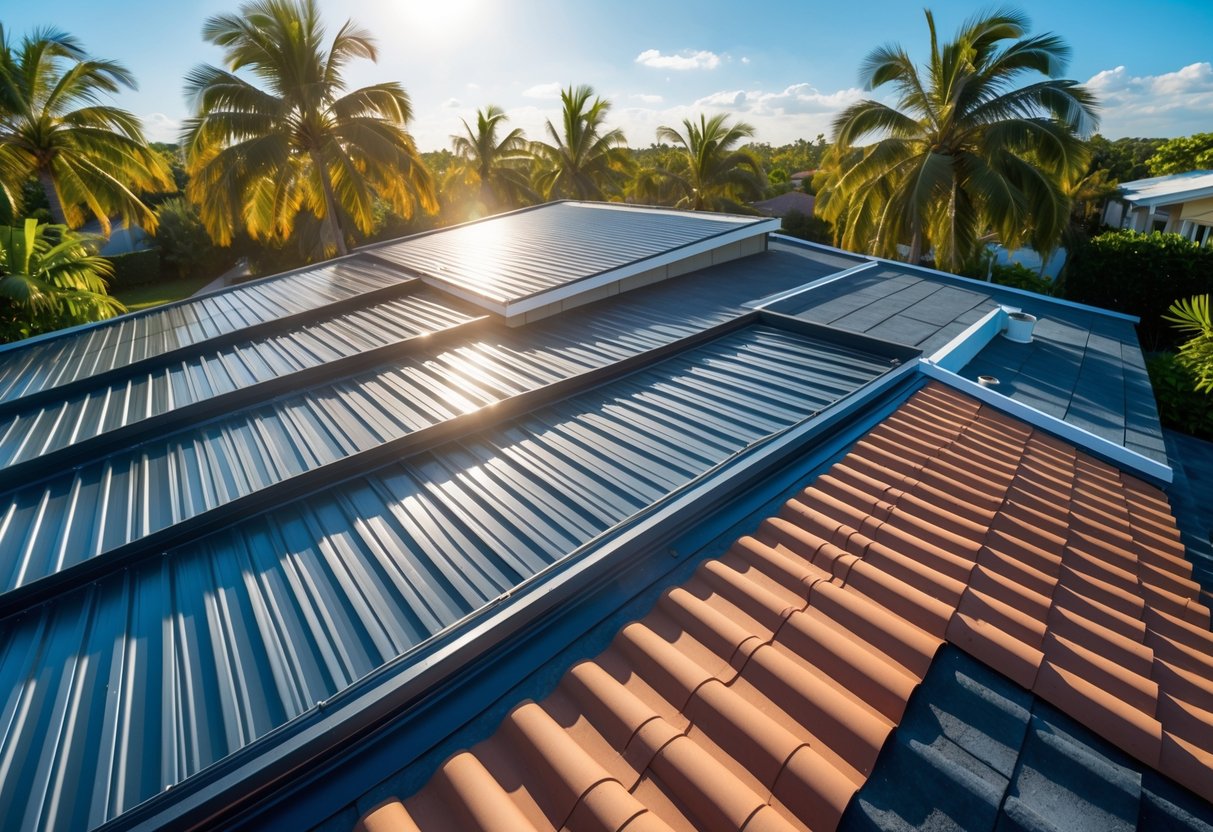
Regular inspections catch problems before they become expensive repairs. Proper ventilation systems prevent heat buildup that damages roofing materials. Smart material choices handle intense sun and moisture year after year.
Routine Inspections and Early Repair
Roof inspection should happen twice yearly in Louisiana’s harsh climate. Spring and fall checks help identify damage from summer heat and winter storms.
Property owners should look for loose or missing shingles. Cracked tiles or dented metal roofing need immediate attention.
Gutters require cleaning to prevent water backup. Clogged drainage systems cause moisture problems that destroy roofing materials faster.
Professional inspections cost less than emergency repairs. Trained contractors spot issues that homeowners often miss. They check flashing around chimneys and vents where leaks commonly start.
Early repairs save money. Small problems become major replacements when ignored. A loose shingle costs $50 to fix but can lead to $5,000 in water damage.
Improving Roof Ventilation
Hot, humid air trapped in attics damages roofing from below. Proper airflow systems extend material lifespan significantly.
Ridge vents paired with soffit vents create natural air circulation. Hot air rises and exits through the ridge while cool air enters through soffits.
Exhaust fans help when natural ventilation isn’t enough. Powered vents remove excess heat and moisture more effectively in humid climates.
Insulation works with ventilation to reduce heat transfer. Proper installation prevents condensation that rots decking and shortens roof life.
Attic temperatures should stay within 10-15 degrees of outside air. Higher temperatures cook roofing materials from underneath and increase energy costs.
Selecting Materials for Sun and Moisture Resistance
Metal roofing reflects sunlight and resists moisture better than most options. Quality steel or aluminum lasts 40+ years in Louisiana weather.
Slate roofing handles heat and humidity exceptionally well. Natural stone doesn’t absorb water or deteriorate from sun exposure.
Concrete tiles provide excellent durability in hot climates. Their thermal mass helps regulate temperature while resisting algae growth.
Synthetic roofing materials offer modern alternatives to traditional options. High-quality polymer products resist UV damage and moisture problems.
Material selection depends on budget and home structure. Heavy materials like slate require reinforced framing. Lighter options like metal work on most homes.
Cool roof coatings improve any material’s performance. Reflective surfaces reduce heat absorption by 20-30% compared to dark colors.
Frequently Asked Questions
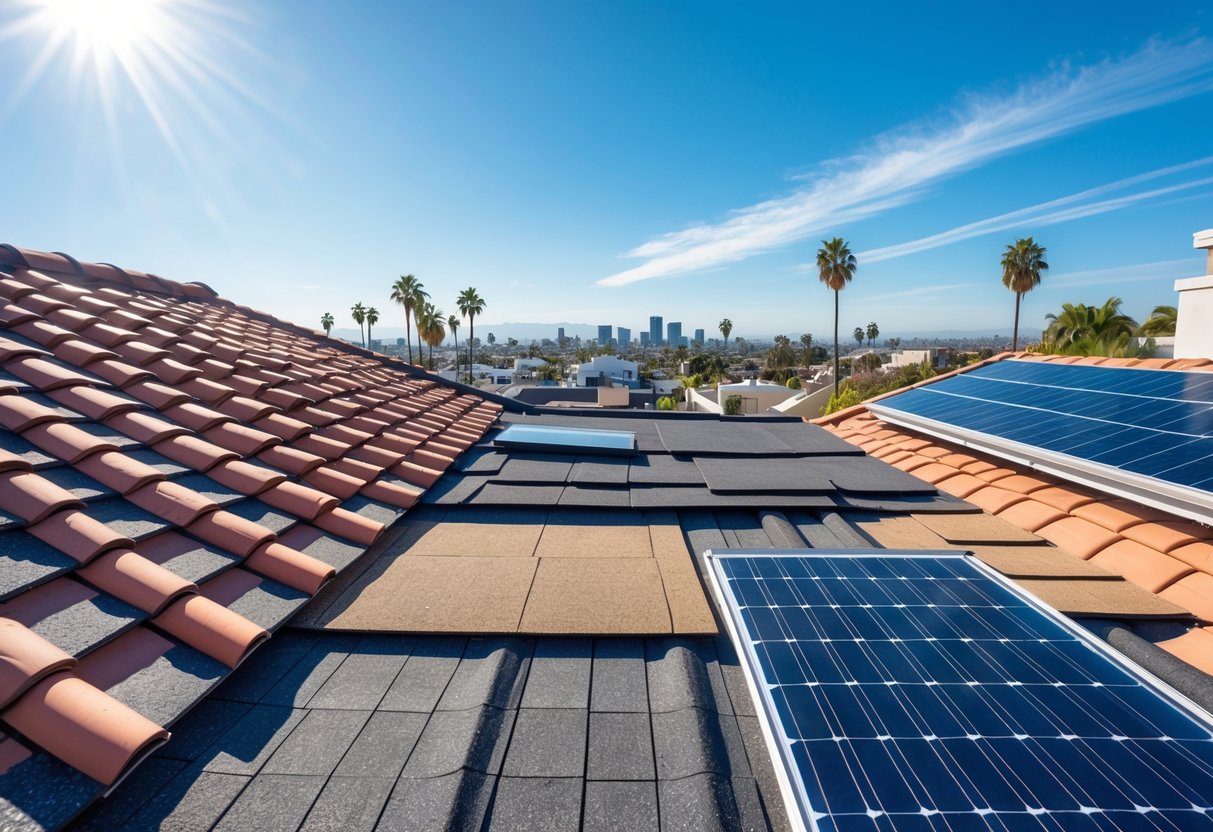
Los Angeles homeowners face unique challenges with intense UV rays and high temperatures that significantly impact roof performance. Material choice, maintenance practices, and energy efficiency considerations play crucial roles in maximizing roof lifespan in this demanding climate.
What are the best roofing materials for high heat and sun exposure?
Metal roofing stands out as the top performer in Los Angeles heat. It reflects solar energy effectively and resists UV damage better than most alternatives.
Concrete and clay tiles also excel in high-temperature conditions. These materials naturally resist thermal expansion and maintain structural integrity under constant sun exposure.
Slate offers exceptional durability against heat damage. Its natural stone composition handles temperature fluctuations without cracking or warping.
Cool roof coatings enhance any material’s heat resistance. These specialized coatings reflect more sunlight and reduce surface temperatures by 50-80 degrees.
How does the Los Angeles climate affect the durability of different roofing materials?
LA’s intense UV radiation breaks down asphalt shingles faster than in cooler climates. Standard asphalt shingles typically last 15-20 years instead of the national average of 20-25 years.
High temperatures cause thermal expansion and contraction cycles. This constant movement stresses roofing materials and creates potential weak points over time.
Low humidity and minimal rainfall reduce moisture-related damage. However, this dry climate makes materials more brittle and prone to cracking.
Santa Ana winds create additional stress on roofing systems. These strong, dry winds can lift shingles and tiles, especially on poorly maintained roofs.
What is the average lifespan of a roof in Los Angeles and how do specific materials compare?
Asphalt shingles in LA typically last 15-25 years. Premium architectural shingles may reach 30 years with proper maintenance.
Metal roofing systems deliver 40-70 years of service life. Steel and aluminum options perform exceptionally well in the desert-like conditions.
Tile roofing often exceeds 50 years in Los Angeles. Clay and concrete tiles handle heat cycles better than most alternatives.
Slate roofing can last over 100 years in LA’s dry climate. The lack of freeze-thaw cycles extends slate’s already impressive lifespan.
Which roofing materials offer the best balance between cost and longevity in sunny climates?
Metal roofing provides excellent value despite higher upfront costs. The 40-70 year lifespan and minimal maintenance requirements offset initial investment.
Architectural asphalt shingles offer a budget-friendly middle ground. They cost less than premium materials while lasting longer than basic three-tab shingles.
Concrete tiles deliver strong long-term value. Their 50+ year lifespan and moderate pricing make them cost-effective over time.
Cool roof coatings extend any material’s life at minimal cost. This upgrade typically pays for itself through energy savings and extended roof life.
How can homeowners in LA maximize the lifespan of their roofing through maintenance?
Regular inspections should occur twice yearly, especially after Santa Ana wind events. Early detection prevents minor issues from becoming major problems.
Debris removal is critical in LA’s dusty environment. Accumulated dirt and leaves trap moisture and accelerate material breakdown.
Gutter cleaning prevents water backup during rare but heavy rainstorms. Clogged gutters can cause water damage even in dry climates.
Professional maintenance every 3-5 years ensures optimal performance. Trained technicians spot problems homeowners typically miss.
UV-protective treatments can extend material life. These coatings refresh aging surfaces and provide additional sun protection.
What are the energy efficiency impacts of different roofing materials in areas with significant sun exposure?
Light-colored roofing materials reflect more solar energy than dark options. This reflection can reduce cooling costs by 10-15% during peak summer months.
Metal roofing with reflective coatings achieves the highest energy efficiency ratings. These systems often qualify for energy rebates and tax credits.
Tile roofing provides natural thermal mass benefits. The material’s thickness helps regulate indoor temperatures throughout daily heat cycles.
Cool roof membranes can reduce surface temperatures by up to 80 degrees. This dramatic reduction significantly lowers air conditioning demands.
Proper attic ventilation multiplies any material’s energy benefits. Good airflow prevents heat buildup regardless of roofing material choice.