

In areas with intense sunlight and high temperatures, like Westside heat islands, choosing the right roof shingle color plays a big role in keeping homes cooler and lowering energy costs. Lighter colored shingles such as white, light gray, and beige are the best choices because they reflect heat instead of absorbing it, helping to reduce indoor temperatures and ease the burden on air conditioning.
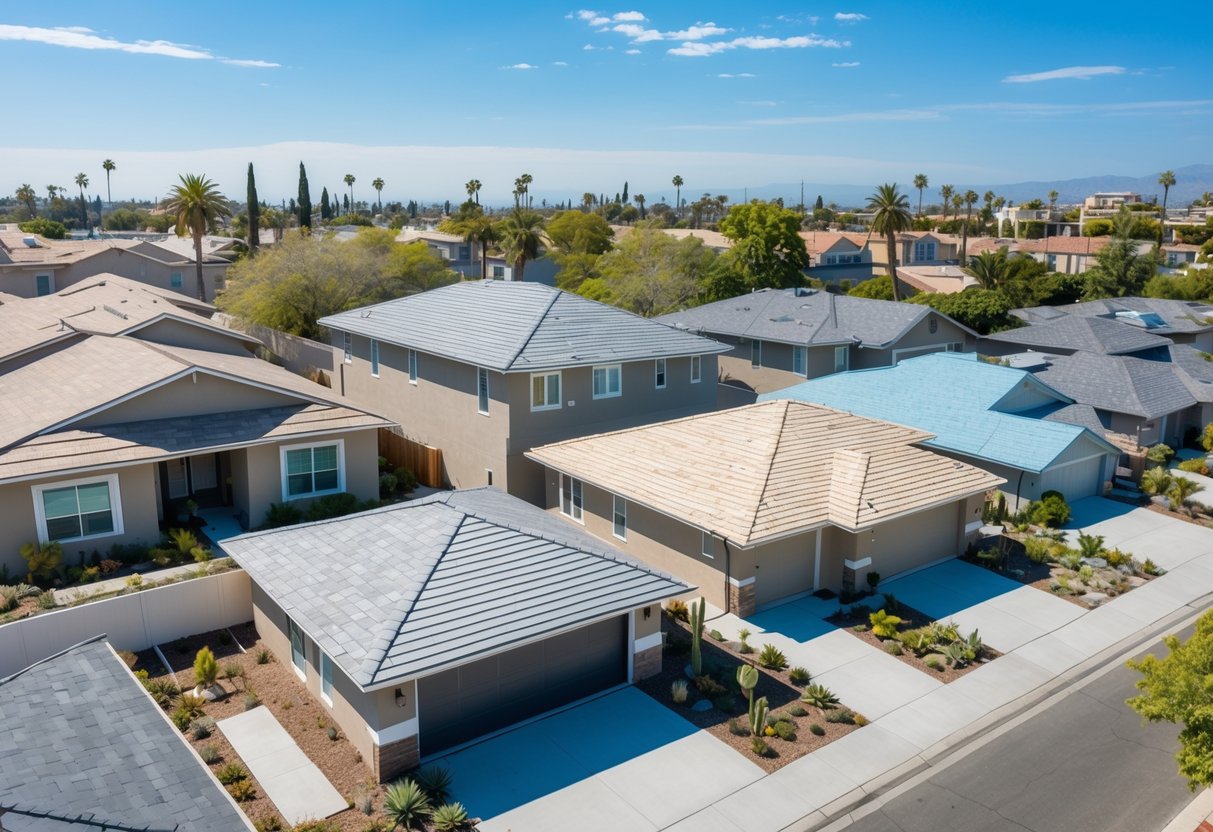
Beyond energy savings, the right shingle color can enhance the look of a house and even increase its value. Homeowners should also think about how the roof color blends with siding and trim to create an attractive, balanced appearance while maximizing comfort.
Selecting the proper material alongside color is important because some roofing types handle heat better and last longer in these climates. Picking shingle colors designed for warm regions is a practical step to improve both comfort and home performance in Westside heat islands.
Key Takeways
- Light-colored shingles help reduce heat buildup in hot neighborhoods.
- Roof color should complement a home’s exterior for better curb appeal.
- Materials matter for durability and heat resistance in warm climates.
Understanding Heat Islands and Shingle Color Impact
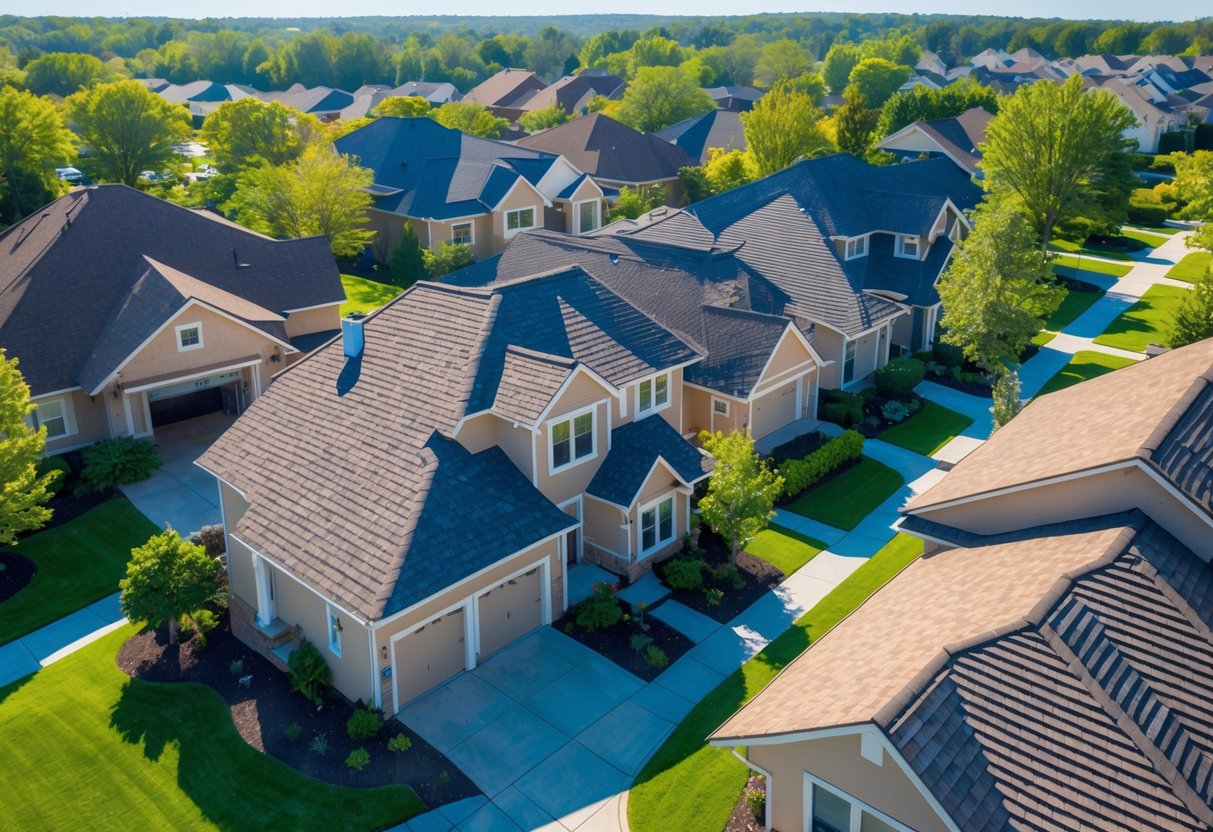
Urban heat islands cause increased temperatures by trapping heat around buildings and pavement. This raises roof surface temperatures, affecting comfort and energy use. Roof shingle color plays a key role in managing heat absorption and reflection, influencing home cooling needs and overall energy efficiency.
How Heat Islands Influence Roof Temperature
Heat islands result from dense construction and limited vegetation. Concrete, asphalt, and rooftops absorb and retain sunlight, causing local temperatures to rise. Roofs in these areas face more intense heat exposure, making them hotter than in rural zones.
This extra heat can raise attic temperatures by up to 10°F or more. The hotter the roof, the more heat transfers indoors. This adds strain to air conditioning systems and increases energy costs, especially in summer. Choosing the right roof shingles helps reduce these impacts.
Benefits of Cool Roofs for Energy Efficiency
Cool roofs are designed to reflect more sunlight and absorb less heat. They typically use light-colored materials or have reflective coatings. This reduces solar heat gain on the roof surface.
By keeping roofs cooler, cool roofs lower attic temperatures and reduce indoor heat buildup. This allows HVAC systems to work less and saves on electricity bills. In heat islands, cool roofs can cut cooling energy use by 10% to 30%, depending on climate and home design.
Cool roof benefits include:
- Lower cooling costs
- Improved indoor comfort
- Extended roof lifespan due to less heat damage
These advantages make cool roofs an effective tool against urban heat.
Role of Roof Shingle Color in Heat Reflection
Roof shingle color directly affects how much solar heat a roof absorbs or reflects. Dark shingles absorb more sunlight, raising roof and attic temperatures. This can increase cooling needs and energy consumption.
Lighter roof colors like white, light gray, beige, or taupe reflect more sunlight and UV rays. These colors keep roofs cooler and improve energy efficiency in hot areas. Some light-colored shingles also include special reflective technology for better performance.
Choosing appropriate roof colors is vital in heat islands. Combining light shingle colors with heat-resistant materials enhances cooling effects. This reduces heat transfer indoors, lowering energy bills and improving home comfort.
Top Shingle Color Choices for Westside Climates
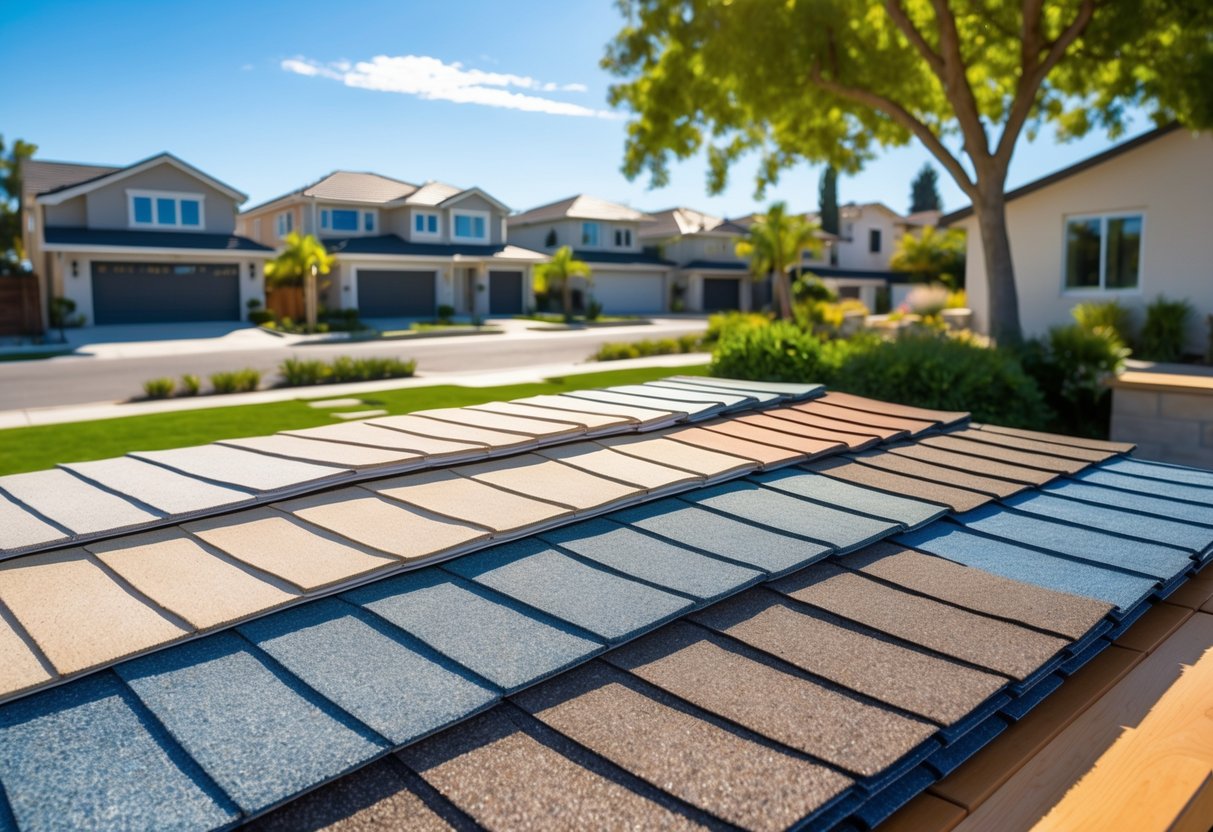
In hot Westside climates, choosing the right shingle color can help reduce heat buildup and improve home comfort. The balance between energy efficiency and style is key for many homeowners. Certain colors stand out for their ability to reflect sunlight or blend well with natural surroundings.
Gray Shingles for Heat Control
Gray shingles are popular for their ability to fit many home styles while helping control heat. Light gray shingles reflect more sunlight than darker shades, helping keep homes cooler in hot weather. Dark gray shingles, though less reflective, still offer some heat absorption benefits and hide stains better.
Classic gray asphalt shingles also provide versatility, matching exterior colors like white, blue, or beige. This makes gray a practical choice for those wanting a cool roof that looks modern and clean without compromising style.
Light vs. Dark Roof Shingle Colors
Light-colored shingles, including light gray and soft green, reflect sunlight effectively. This reflection lowers roof surface temperatures and reduces cooling costs in heat islands. Homeowners with strong sun exposure benefit from these colors.
Dark shingles—like dark gray or charcoal—absorb heat and may raise indoor temperatures in warm climates. However, they offer durability benefits, can hide dirt and wear, and suit homes in cooler Westside microclimates. Choice depends on balancing energy costs with maintenance and style preferences.
Trending Green and Brown Shingles
Green and brown shingles are increasingly popular for their natural, earthy tones. Soft green shingles blend with landscapes, providing a subtle look that fits well in wooded or garden-rich areas.
Warm brown shingles offer a rich, grounded feel that works well with wood or stone accents. Both colors can reduce heat absorption better than black but less so than lighter shades. These options support homeowners seeking eco-friendly or nature-inspired aesthetics alongside reasonable heat control.
Matching Shingle Colors with Home Exteriors
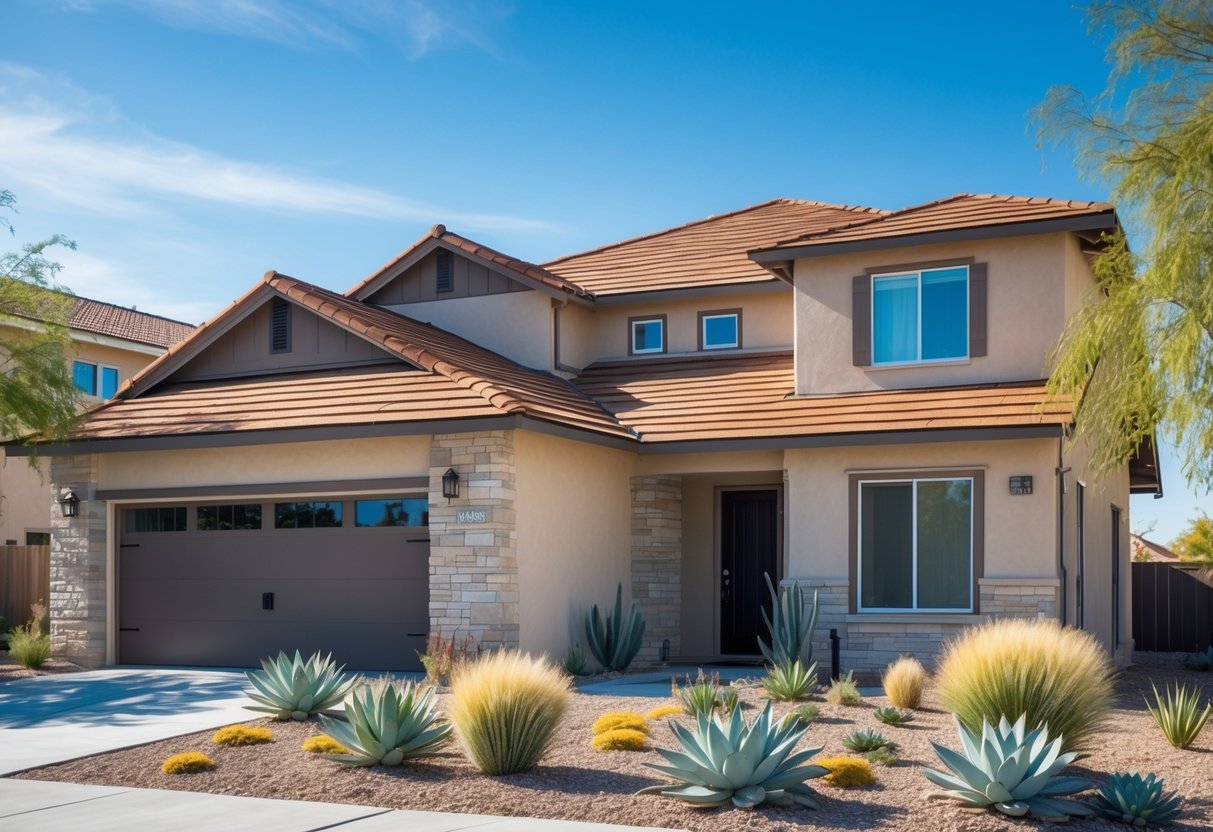
Selecting the right shingle color requires attention to the materials and colors already present around the home. The goal is to create harmony between the roof and other exterior elements like brick, stone, siding, and trim. Proper coordination also depends on the home’s architectural style and outdoor features like patios and fencing.
Pairing Shingles with Brick, Stone, and Trim
Brick and stone provide strong visual foundations for choosing shingle colors. For homes with red or warm-toned brick, darker shingles such as deep browns or charcoal grays create a balanced contrast without clashing. Stone exteriors tend to work best with grays or slate-colored shingles that complement natural textures.
Trim color plays a key role in tying these elements together. White or cream trims pair well with almost any neutral shingle, while darker trims require shingles that are lighter or similar in tone to avoid overwhelming the façade. This balance helps maintain a cohesive and polished look.
Coordinating with Siding, Patios, and Fencing
The siding color should guide the choice of shingle color for a unified appearance. Lighter sidings, like beige or light gray, often look best with medium to dark shingles to add depth. Dark siding benefits from shingles in lighter shades to avoid a heavy, monotone effect.
For homes with patios, driveway paving, or fencing visible from the front, considering their colors is important. Neutral or earth-tone shades for shingles can blend well with stone or concrete patios and natural wood fences. Consistent tones across these features support a smooth transition from roof to landscape.
Considering Color Palette and Architectural Style
A home’s architectural style influences shingle color decisions. Traditional homes usually favor classic shades like black, brown, or gray shingle colors for a timeless look. Modern and contemporary homes can support bolder, more vibrant colors, including blues or greens, that highlight clean lines and unique designs.
Choosing shingles to fit the established color palette of the home enhances curb appeal and helps the roof support the home’s style. For example, matching shingles to accent colors increases visual interest, while sticking to neutral tones maintains subtlety and elegance.
Boosting Curb Appeal and Resale Value with Roof Colors
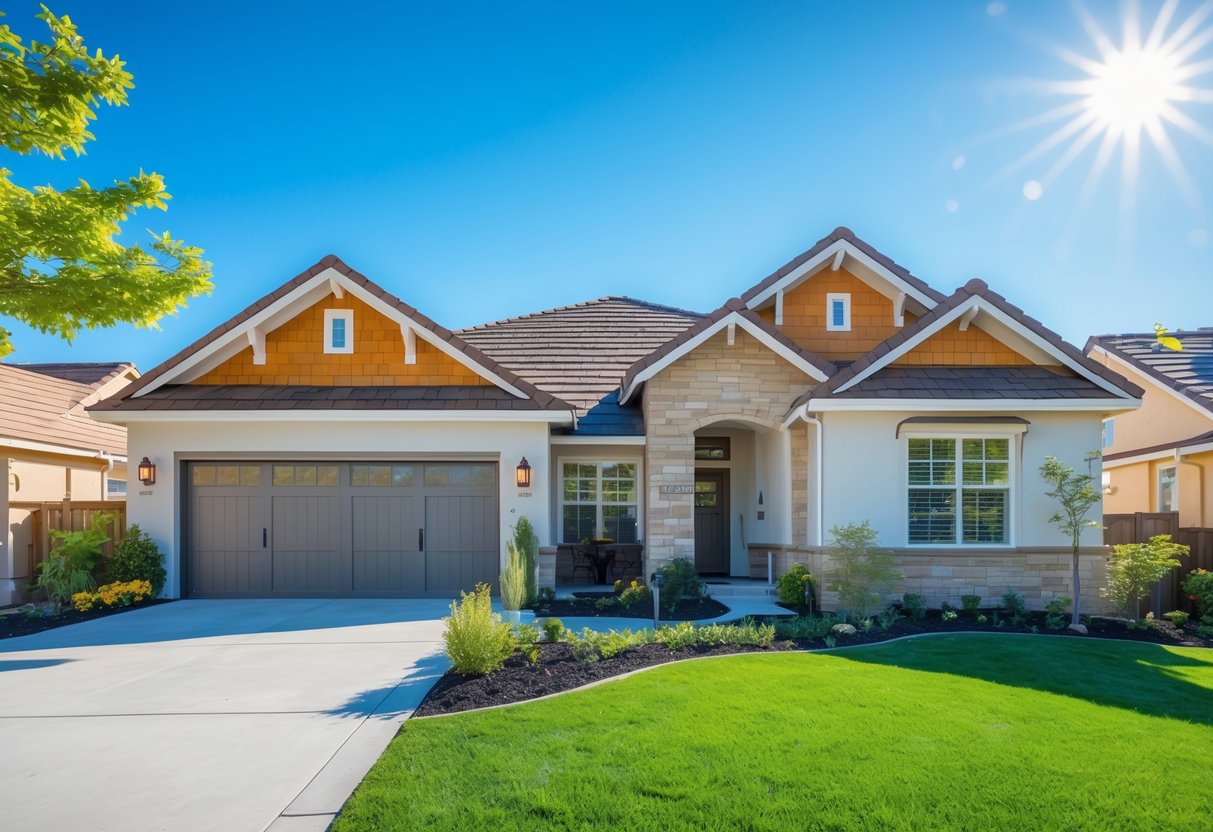
Choosing the right roof color can make a home look well-kept and inviting. It affects how people feel about the property at first glance and can increase the value when selling. The color should also fit with the surrounding environment and neighborhood to avoid standing out in a negative way.
How Shingle Color Influences Curb Appeal
Shingle color is one of the first things people notice about a house. A well-chosen color can create a balanced and harmonious look with the home’s exterior.
Bright or bold colors might work well for modern or unique architecture, but classic colors like gray, brown, and black generally appeal to more buyers. The roof color sets the tone for the home’s style and can highlight architectural features.
Poorly chosen colors or worn shingles can give the impression of neglect, which lowers curb appeal and might reduce resale value. Clean, matching shingles improve the overall street view and make a positive impression on potential buyers.
Appealing Shingle Colors for Resale
Neutral shades tend to attract the most buyers because they fit many styles and keep the home looking current over time.
Colors like taupe, slate gray, and beige offer versatility and appeal widely. They can also work well with many exterior paint and material colors. These hues do not risk looking outdated quickly.
The right shingle color increases buyer interest and can boost asking price. Homes with fresh, neutral-colored roofs are often seen as well-maintained and more marketable, particularly in competitive markets like heat island areas where energy efficiency matters.
Blending with Neighborhood and Environmental Setting
Compatibility with the neighborhood’s look and surrounding environment helps a home fit in without losing its identity.
In warm, urban heat islands, lighter colors are preferred to reflect sunlight, which also signals energy savings to buyers. Around green spaces or natural settings, earth tones like browns and muted greens blend better and maintain a calm aesthetic.
Respecting homeowner association rules or local trends is important to avoid costly changes later and maintain neighborhood harmony. Matching or complementing nearby roof colors ensures the home fits the local character and boosts its long-term value.
Shingle Brands and Material Considerations
Choosing the right shingle brand and material is critical for handling the intense heat of westside heat islands. The focus is on selecting shingles that offer strong durability, good color retention, and options designed to reflect sunlight and reduce heat buildup.
Owens Corning and Popular Shingle Options
Owens Corning is a well-known brand that offers a wide range of asphalt shingles suitable for hot climates. Their Duration® series includes options like Desert Rose and Sand Castle, which feature reflective granules to help reduce roof temperature.
These shingles come in multiple color blends to suit different home styles while still minimizing heat absorption. Owens Corning also provides printed color posters and samples, making it easier to choose a shade that suits climate and curb appeal needs.
The brand’s shingles meet various building codes and often comply with HOA rules, ensuring both performance and aesthetics. Owens Corning balances cost and quality, making it a reliable choice for homeowners in hot, sunny areas.
Durability and Color Retention in Asphalt Shingles
Asphalt shingles are popular for their affordability and ease of installation, but heat resistance and color fading are important factors in westside heat islands.
Shingles with high-quality ceramic granules tend to maintain their color longer under strong sun exposure. This granule coating also protects the shingles from UV damage, which can cause warping or cracking over time.
Heat-reflective asphalt shingles help lower roof surface temperatures by reflecting sunlight. This feature can improve energy efficiency by reducing cooling costs. Homeowners should look for shingles labeled with cool roof technology or those meeting Energy Star standards for the best balance of durability and heat resistance.
Frequently Asked Questions
Shingle colors influence how much heat a roof absorbs, affecting energy use and indoor comfort. Certain colors help reflect sunlight better, which can lower cooling needs. Durability and appearance in extreme heat also vary by color.
What are the top-rated shingle colors for reducing heat absorption?
Light colors like white, beige, and light gray absorb less heat. These colors reflect more sunlight, helping keep roofs cooler in hot environments. Some modern shingle blends also include reflective granules that improve heat resistance.
How does shingle color impact a home’s energy efficiency in hot climates?
Darker shingles absorb more heat, which can increase cooling costs. Lighter shingles reflect heat, reducing the roof temperature and the strain on air conditioning systems. Proper ventilation and insulation enhance these effects but color plays a key role.
Can lighter-colored shingles significantly lower indoor temperatures?
Yes, lighter shingles help reflect solar radiation, which can reduce roof surface temperature. This lowers the amount of heat transferred inside, potentially decreasing indoor temperatures by a few degrees, especially during peak heat.
What shingle colors are recommended for homes in high-temperature urban areas?
Neutral tones such as light tan, gray, or soft brown are common. Additionally, shingle colors with reflective technology, like cool roof shingles, are advised. These colors reduce heat absorption, which is important in urban heat islands.
Which shingle colors have the best reflective properties for minimizing heat island effects?
Light-colored shingles, including white, light gray, and light tan, have strong reflective properties. Some specially designed cool roof shingles feature granules that boost reflectivity beyond standard light colors.
What are the most durable shingle colors for maintaining appearance and functionality in extreme heat?
Shingles with color blends designed to resist fading, such as those with multiple granule shades, maintain their look better under intense sun. Neutral and earth tones typically show less wear and retain their heat-resistant qualities longer than bright or dark colors.