

Replacing a roof can feel like a big project, but knowing what happens each day makes the process easier to follow. A roof replacement usually starts with material delivery, moves into tear-off and installation, and ends with cleanup and inspection. Each step has a clear purpose, and understanding the timeline helps set the right expectations.
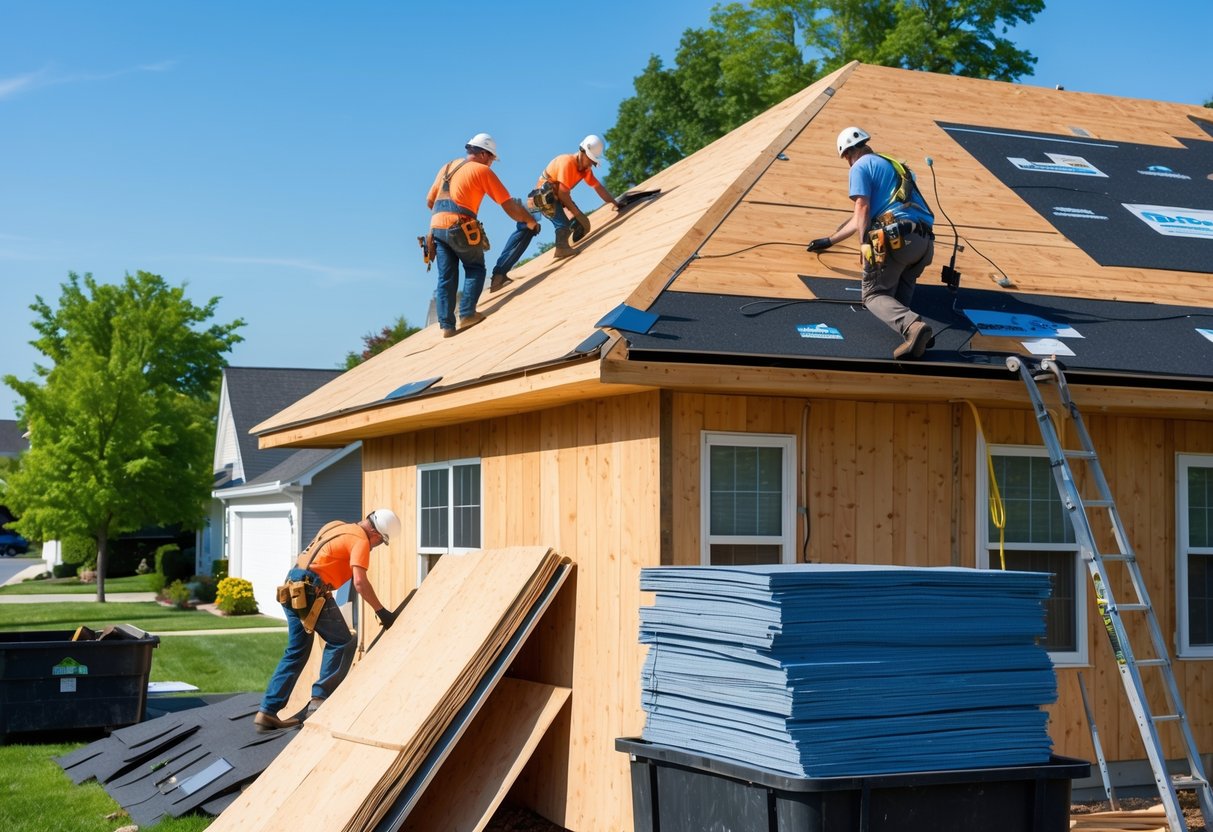
Homeowners often wonder how long the work will take and what they should prepare for. While some roofs can be replaced in a single day, others may take several days depending on the size, materials, and complexity. By breaking down the process day by day, it becomes clear what happens and why each stage matters.
This guide explains the daily progress of a roof replacement, what impacts the timeline, and how to prepare for a smooth project. With the right contractor and a clear plan, the process stays organized and predictable from start to finish.
Key Takeaways
- A roof replacement follows a clear step-by-step timeline
- Project length depends on roof size, materials, and complexity
- Choosing skilled contractors ensures a smoother process
Roof Replacement Timeline: Day by Day Process
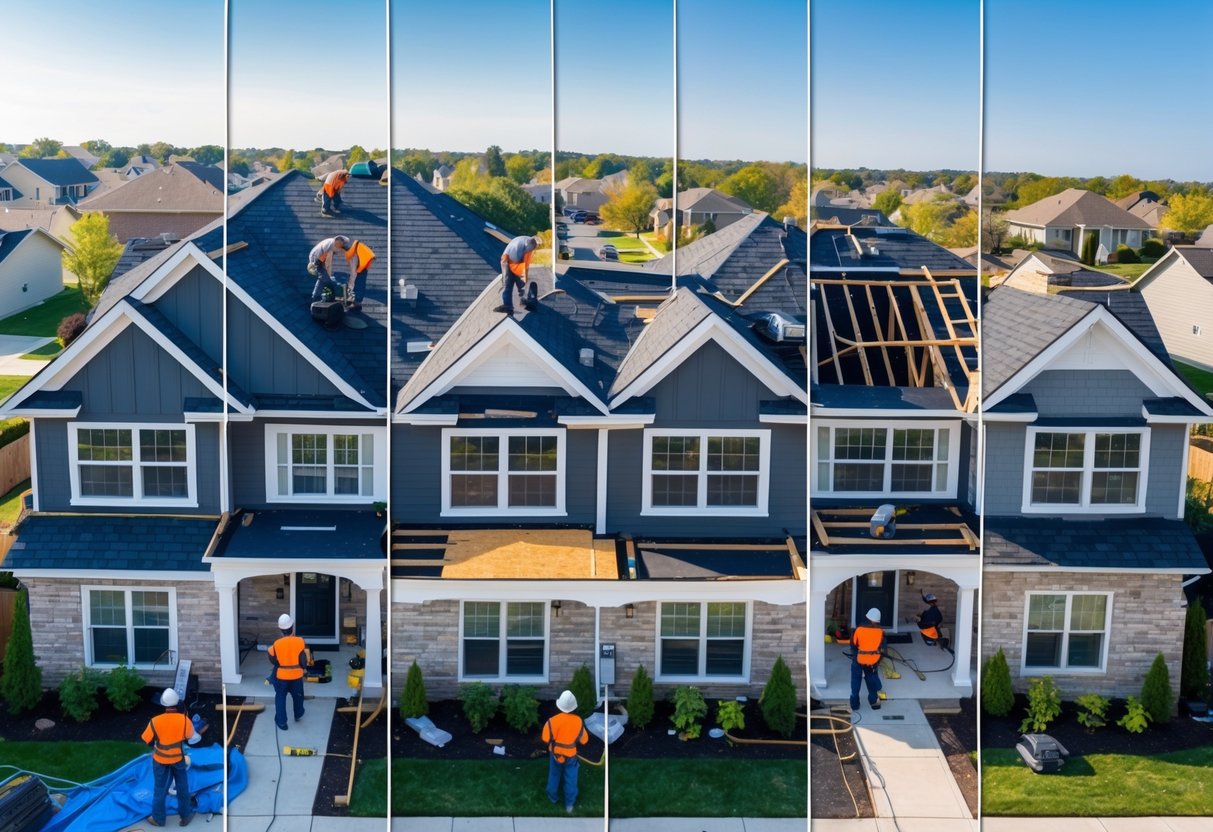
A roof replacement usually follows a clear sequence of steps. Each stage involves preparation, removal, installation, and inspection to ensure the roof is both durable and watertight.
Day Before: Site Preparation and Material Delivery
The roofing company typically delivers shingles, underlayment, flashing, and other roofing materials the day before work begins. These supplies are often placed in a driveway or other accessible area. Contractors may also bring safety equipment, dumpsters, and ladders.
Homeowners should clear vehicles, outdoor furniture, and fragile items from around the house. This prevents damage from falling debris and allows the roofing contractor to set up without delays.
Protective tarps may be laid over landscaping, siding, and windows. This step helps shield the property from dust, nails, and scraps that come off during the tear-off process.
Day One: Old Roof Removal and Deck Inspection
The first workday usually focuses on removing the old roof. Crews strip away shingles, underlayment, and damaged flashing. Depending on the roof size, this can take most of the day. Asphalt shingles often come off faster than heavier materials like tile or metal roofing.
After removal, the roofing contractor inspects the roof deck. They check for rot, water damage, or weakened wood. Any compromised decking is repaired or replaced before installation continues.
This inspection is critical because a strong deck provides a stable base for new shingles or panels. Skipping this step risks leaks and reduces the lifespan of the new roof.
Day Two: Installation of New Roofing Materials
Once the deck is ready, crews begin waterproofing. They install underlayment, ice and water shield, and flashing around chimneys, valleys, and vents. These layers protect against leaks and improve the roof’s durability.
Shingles or other chosen roofing materials are then laid out. Asphalt shingles remain the most common choice, but some homeowners select metal roofing for longer service life. Each piece is nailed or fastened in place with careful alignment.
The contractor ensures proper ventilation and sealing at ridges and edges. This stage usually transforms the roof’s appearance and provides most of its weather protection.
Final Day: Cleanup and Quality Inspection
The last step involves a detailed inspection and cleanup. The roofing company checks that shingles are secure, flashing is sealed, and waterproofing is complete. They confirm that vents, skylights, and edges have been installed correctly.
Cleanup includes removing old materials, sweeping the yard for nails with magnets, and hauling away dumpsters. Crews also take down protective tarps and return the property to normal condition.
A final walkthrough with the homeowner may be done. This allows the contractor to explain the work completed and address any questions before the project is considered finished.
Key Factors That Impact Roof Replacement Duration
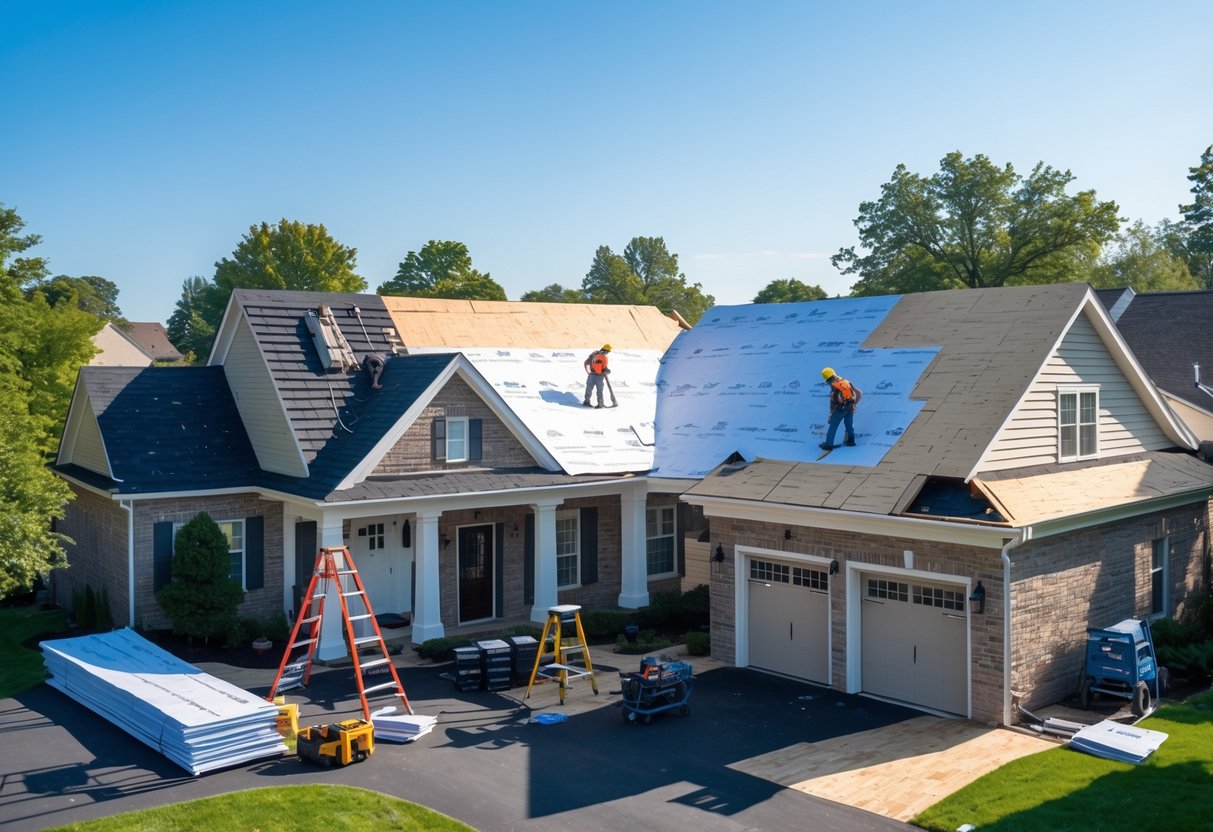
The time it takes to finish a roof replacement depends on the size and design of the roof, the type of roofing materials chosen, and how weather conditions affect the work schedule. Each of these factors can shorten or extend the project by several days.
Roof Size and Complexity
A larger roof requires more labor and materials, which naturally extends the project timeline. For example, a small single-story home with a simple roof shape may only take one day, while a large multi-story home with multiple slopes can take several days.
Complex features also matter. Chimneys, skylights, and dormers require extra steps such as cutting, sealing, and flashing. These details add time because roofers must ensure proper fit and waterproofing.
Steeper roof pitches slow down work as well. Crews need additional safety equipment and must move more carefully, which reduces overall speed. A flat or low-slope roof is much faster to replace than a steep roof with multiple angles.
Weather Conditions and Delays
Roof replacement cannot continue during rain, snow, or strong winds. Wet surfaces make the roof unsafe for workers and can damage underlayment or exposed decking. Because of this, contractors often pause projects until conditions improve.
Seasonal weather patterns also influence timelines. In areas with frequent storms or heavy snowfall, delays are more common. Homeowners in dry climates may see fewer interruptions.
Temperature plays a role too. Extremely hot days can affect how shingles seal, while very cold days can make materials brittle. Roofing crews often adjust working hours to avoid the hottest or coldest parts of the day.
Material Selection and Availability
Different roofing materials require different installation times. Asphalt shingles are the most common and usually the fastest to install. Metal roofing takes longer because panels must be cut and secured with precision. Tile and slate are even slower due to their weight and handling needs.
Availability of materials also affects scheduling. If a specific color or style is backordered, the project may be delayed before it even begins.
Some products require extra steps. For example, certain underlayments or adhesives add hours to the job. Homeowners should discuss material choices with their contractor to understand how those decisions influence both cost and duration.
Choosing the Right Roofing Contractor and Company
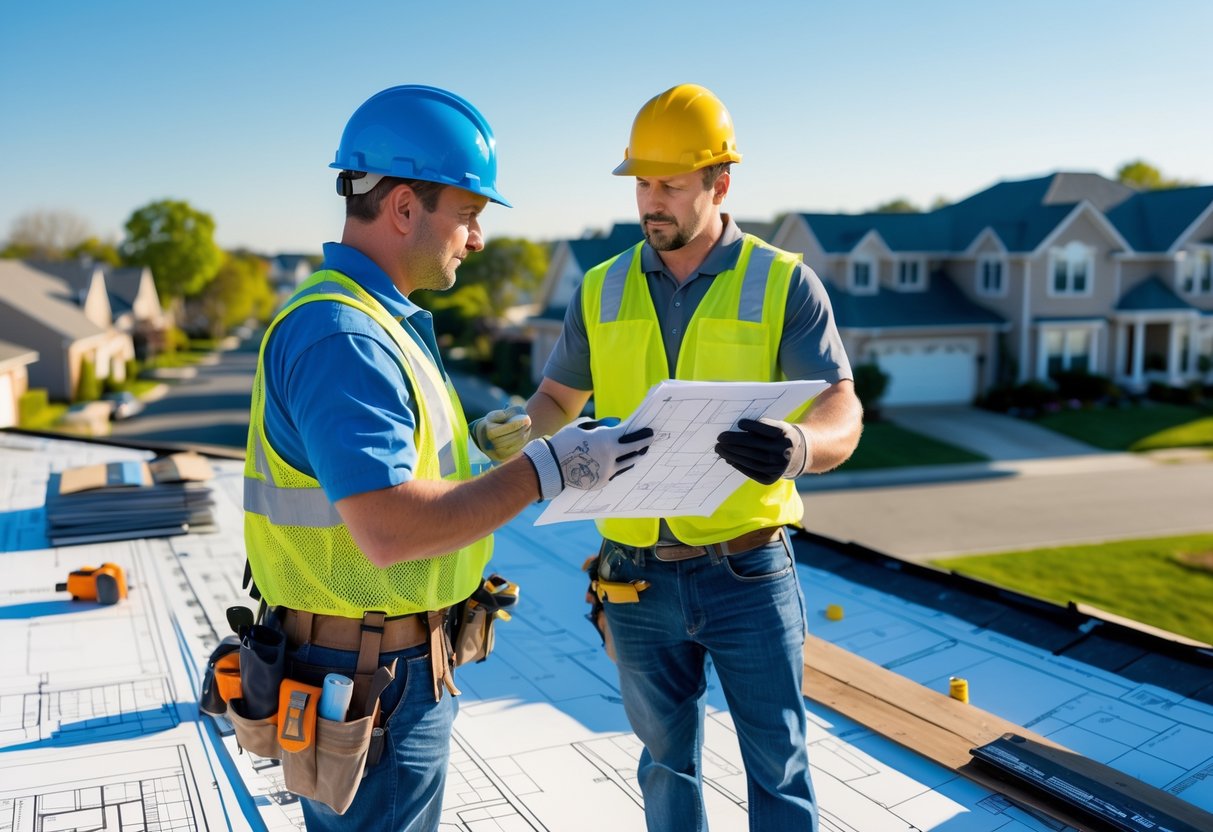
Selecting the right professional affects the quality of the roof, the safety of the home, and the value of the investment. Key factors include the contractor’s background, customer feedback, and how well the company documents its work through contracts and warranties.
Evaluating Experience and Reputation
A roofing contractor with proven experience reduces the risk of mistakes and delays. Homeowners should check how long the contractor or roofing company has been in business and whether they specialize in the type of roof being installed.
Reputation often shows in customer reviews, references, and local recommendations. Asking for at least three references allows a homeowner to confirm if the contractor stayed on budget, met deadlines, and delivered quality work.
Licensing and insurance also matter. A licensed contractor demonstrates compliance with state or local requirements, while liability and workers’ compensation insurance protect both the homeowner and the crew.
A quick checklist for evaluation:
- Years in business
- Local presence and address
- Proof of insurance and licensing
- Portfolio of past projects
- References from recent clients
These factors help separate reliable roofing companies from those that may cut corners.
Understanding Contracts and Warranties
A written contract protects both the homeowner and the roofing contractor. It should outline labor costs, material costs, payment schedule, cleanup responsibilities, and project timeline. Without this, disputes and hidden charges are more likely.
Homeowners should also review warranty coverage. Roofing companies often provide two types:
- Manufacturer’s warranty covering materials
- Workmanship warranty covering installation errors
Clear warranty terms show whether repairs or replacements will be handled at no extra cost. Asking how long the warranty lasts and what voids it is essential.
Before signing, the homeowner should confirm that the contract includes all agreed details, including insurance coverage and how the company will handle unexpected issues like weather delays or hidden roof damage. This ensures accountability throughout the project.
Material Options and Their Impact on the Process
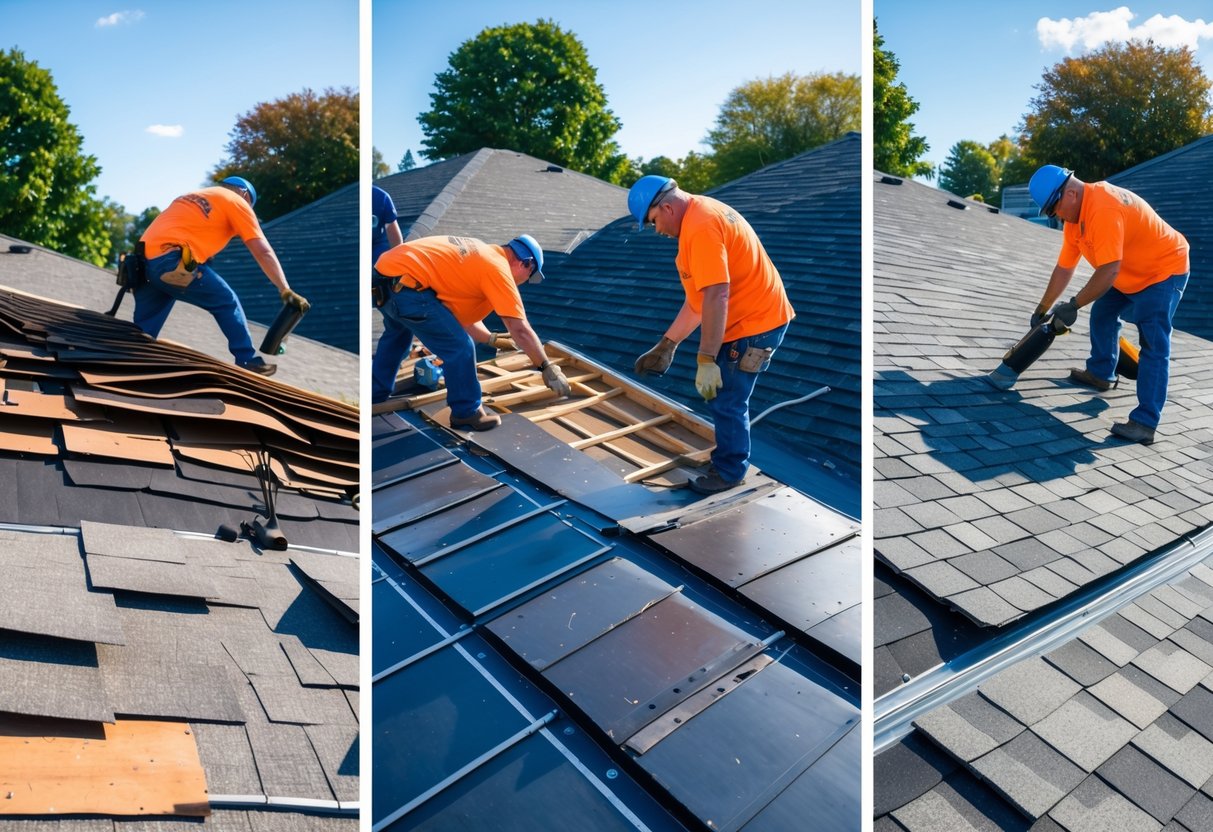
The choice of roofing materials directly affects installation time, cost, and long-term durability. Each material has different requirements for handling, preparation, and maintenance, which can change how the replacement process unfolds.
Comparing Asphalt Shingles and Metal Roofing
Asphalt shingles remain the most common roofing material because they are affordable, easy to install, and widely available. A typical shingle roof can often be completed in just a few days. Shingles come in different grades, with basic 3-tab shingles being less expensive but shorter-lived than architectural or premium shingles.
Metal roofing usually takes longer to install because panels or shingles must be measured and secured with precision. While more labor-intensive, metal roofs provide a longer lifespan—often 40–70 years compared to 15–30 years for asphalt shingles. They also resist fire, wind, and moisture better than standard shingles.
Cost differences are significant. Asphalt shingles are cheaper upfront, while metal roofing carries higher material and labor costs. However, the longer service life of metal can reduce replacement frequency, which may balance out the investment over time.
| Material | Average Lifespan | Installation Speed | Cost Level | Maintenance Needs |
|---|---|---|---|---|
| Asphalt Shingles | 15–30 years | Faster | Lower | Moderate |
| Metal Roofing | 40–70 years | Slower | Higher | Low |
Selecting the Best Roofing Materials for Your Home
The best roofing material depends on climate, budget, and the home’s structure. In areas with heavy rain or snow, metal roofing offers better resistance to leaks and ice buildup. In warmer climates, reflective metal panels can also help reduce cooling costs.
For homeowners prioritizing cost and ease of repair, asphalt shingles are often the practical choice. They are easier to replace in small sections, and most contractors are skilled in shingle installation. This makes repairs and replacements straightforward.
Appearance also plays a role. Shingles offer many color and style options, while metal roofing provides a sleek, modern look. Homeowners may also consider weight, as asphalt shingles are lighter and suitable for most roof frames, while some metal systems require stronger support.
By weighing durability, cost, style, and climate performance, homeowners can select roofing materials that suit both their budget and long-term needs.
Costs, Repairs, and Post-Installation Considerations
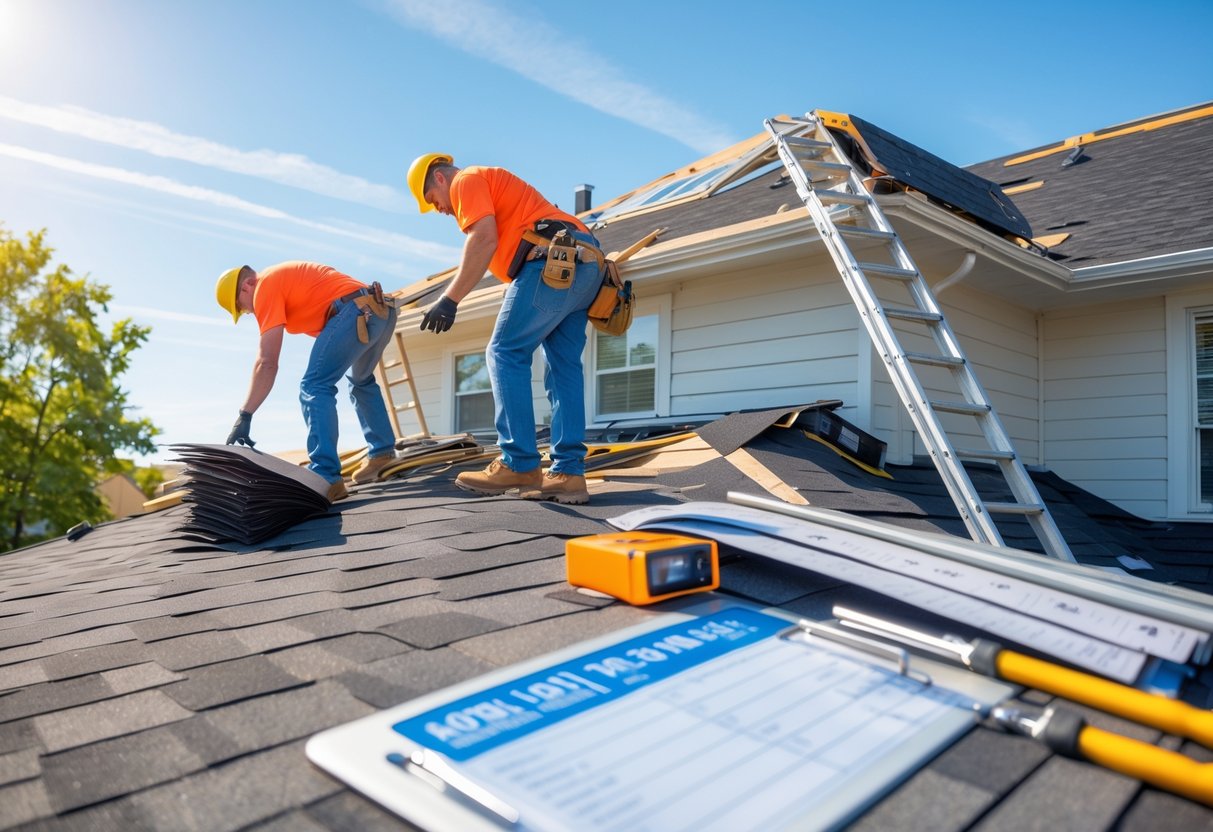
Replacing a roof involves more than just new shingles. Homeowners need to plan for the total cost, decide if repairs are enough, and make sure the new system stays waterproof and well-maintained.
Estimating Roof Replacement Cost
The cost of a roof replacement depends on several factors, including roof size, slope, material, and labor rates. On average, homeowners often spend $8,000–$15,000 for a standard replacement, though premium materials or complex roof designs can raise the price.
A clear, itemized estimate should include:
- Materials (shingles, underlayment, flashing)
- Labor (installation, removal of old roofing)
- Permits and fees
- Disposal costs (dumpsters, hauling old shingles)
Asking for multiple quotes helps compare pricing and scope of work. Homeowners should also budget for unexpected repairs, such as replacing rotten decking or damaged structural elements discovered during tear-off. These additional costs can add several hundred to a few thousand dollars.
Roof Repair vs. Full Replacement
Not every roofing issue requires a full replacement. Small leaks, missing shingles, or minor flashing damage can often be fixed with a repair. A repair is usually less costly, often ranging from a few hundred to a couple thousand dollars depending on the issue.
However, if the roof is more than 20 years old, has widespread leaks, or shows signs of sagging, a full replacement is usually the better option. Repairs on an aging roof may only delay the inevitable and lead to higher long-term costs.
A contractor can provide guidance by inspecting the roof’s condition. They may recommend repair if the damage is isolated, but replacement if the problems affect multiple areas or the underlying structure.
Ensuring Proper Waterproofing and Maintenance
A new roof must be properly waterproofed to prevent leaks and water damage. This includes installing underlayment, flashing around chimneys and vents, and sealing valleys where water collects. Without these steps, even new shingles may fail.
After installation, regular maintenance extends the roof’s life. Homeowners should schedule inspections twice a year and after major storms. Tasks include clearing debris from gutters, checking for loose shingles, and ensuring flashing remains sealed.
Warranties also play an important role. Manufacturer warranties may last 15–30 years, while contractor workmanship warranties often cover 1–5 years. Following maintenance guidelines keeps these warranties valid and helps protect the investment.
Frequently Asked Questions
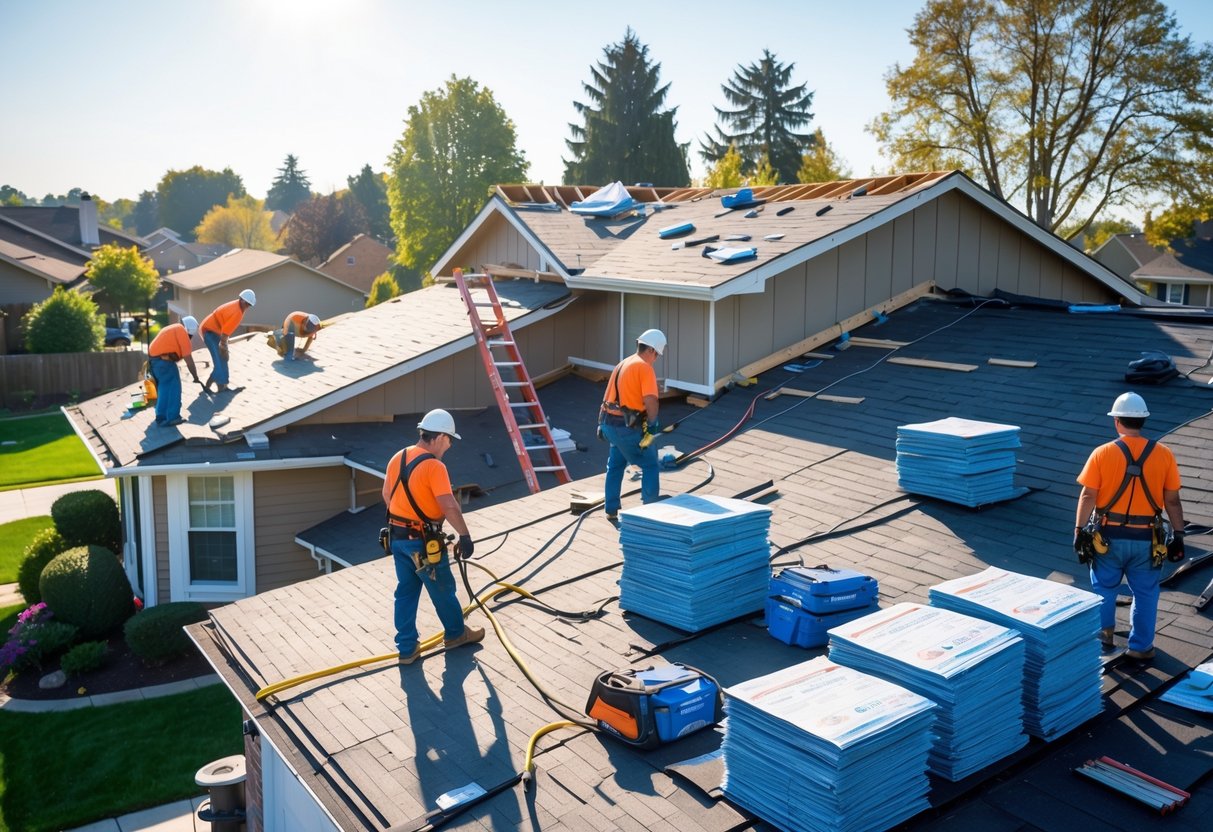
A roof replacement involves several stages that can affect time, daily routines, and how homeowners prepare. Weather, cleanup, and planning also play a role in how smooth the project runs.
How long does a typical roof replacement project take from start to finish?
Most roof replacements take 2 to 5 days. Smaller homes with simple roofs may be done in 1–2 days, while larger or more complex roofs may take longer. Delays can occur if repairs are needed or if weather interrupts the work.
What are the steps involved in the roof replacement process?
The process usually starts with an inspection and planning. After that, the old roof is removed, the deck is checked and repaired, and underlayment and flashing are installed. Finally, new shingles are placed, and the site is inspected and cleaned.
Will there be any disruption to my daily routine during roof replacement?
Yes, there will be noise and activity around the home. Parking areas, driveways, and yards may be blocked by equipment or materials. Homeowners can remain inside, but it may not be comfortable due to hammering and debris removal.
What preparations should I make before the roofing team arrives?
Move vehicles, outdoor furniture, and fragile items away from the work area. Cover belongings in the attic to protect against dust and debris. It also helps to keep pets and children indoors for safety.
How does weather affect the roof replacement timeline?
Rain, high winds, or extreme heat can delay the project. Roofers need dry and stable conditions to install materials correctly. If weather interrupts, crews usually pause work and resume when conditions improve.
What should I expect in terms of cleanup and waste removal after the project?
Roofing crews typically remove old shingles, nails, and other debris. They use tarps, magnets, and cleanup tools to leave the property clear. A final inspection ensures the roof is installed properly and the site is safe.