

Living near the coast in places like Venice and Playa del Rey offers ocean views and cool breezes, but it also brings roofing challenges that can’t be ignored. Salt air, constant humidity, and strong winds wear down shingles, metal, and wood much faster than in inland areas. Protecting a coastal roof means choosing the right materials, using proper ventilation, and keeping up with regular maintenance.
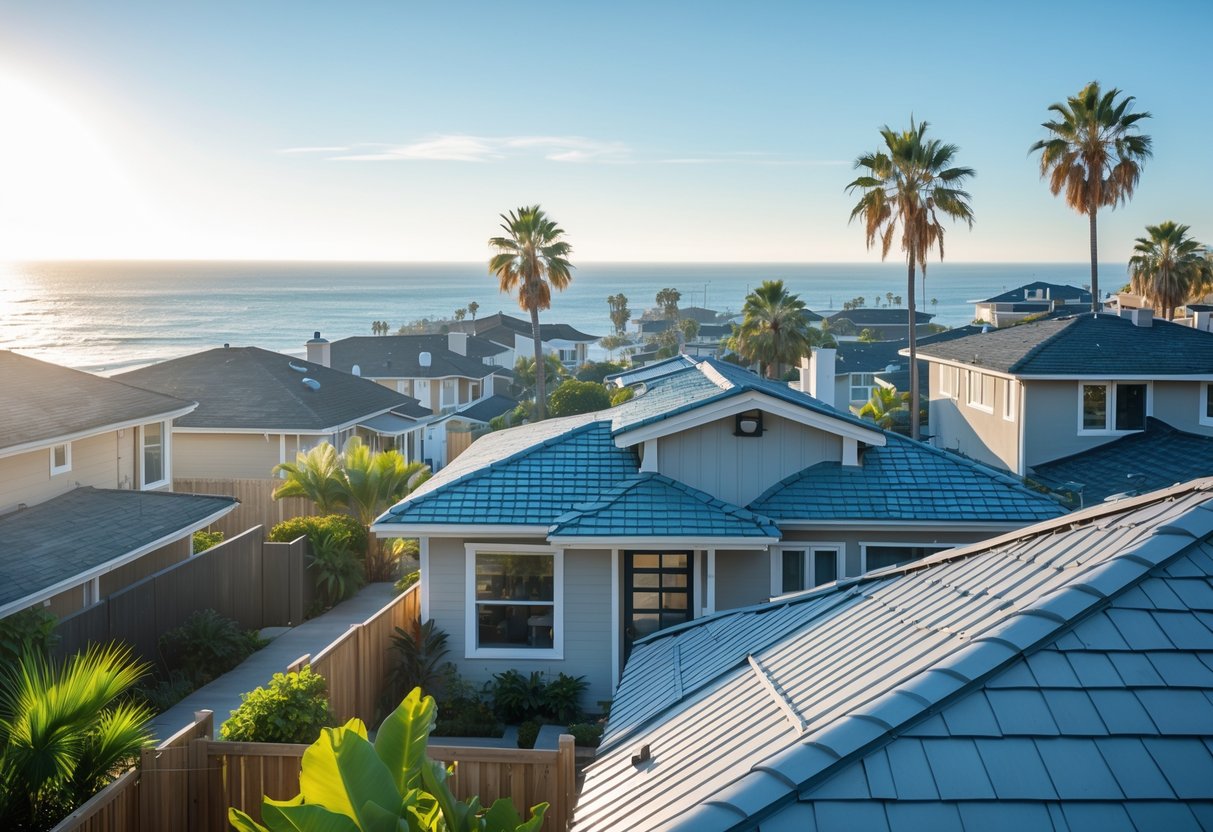
Salt particles in the air corrode metal, weaken fasteners, and shorten the life of standard roofing systems. High winds drive moisture under shingles and into attic spaces, where trapped dampness can lead to mold and wood rot. Without the right strategies, even a new roof may fail sooner than expected in these environments.
By understanding how salt air impacts roofing and what solutions work best, homeowners in Venice and Playa del Rey can extend the life of their roofs and avoid costly repairs. Durable materials, storm-ready designs, and consistent inspections make the difference between a roof that struggles and one that lasts.
Key Takeaways
- Salt air and humidity speed up roof damage in coastal areas
- Durable materials and proper ventilation improve roof life
- Regular inspections and maintenance prevent costly problems
Salt-Air Impacts on Venice & Playa del Rey Roofs
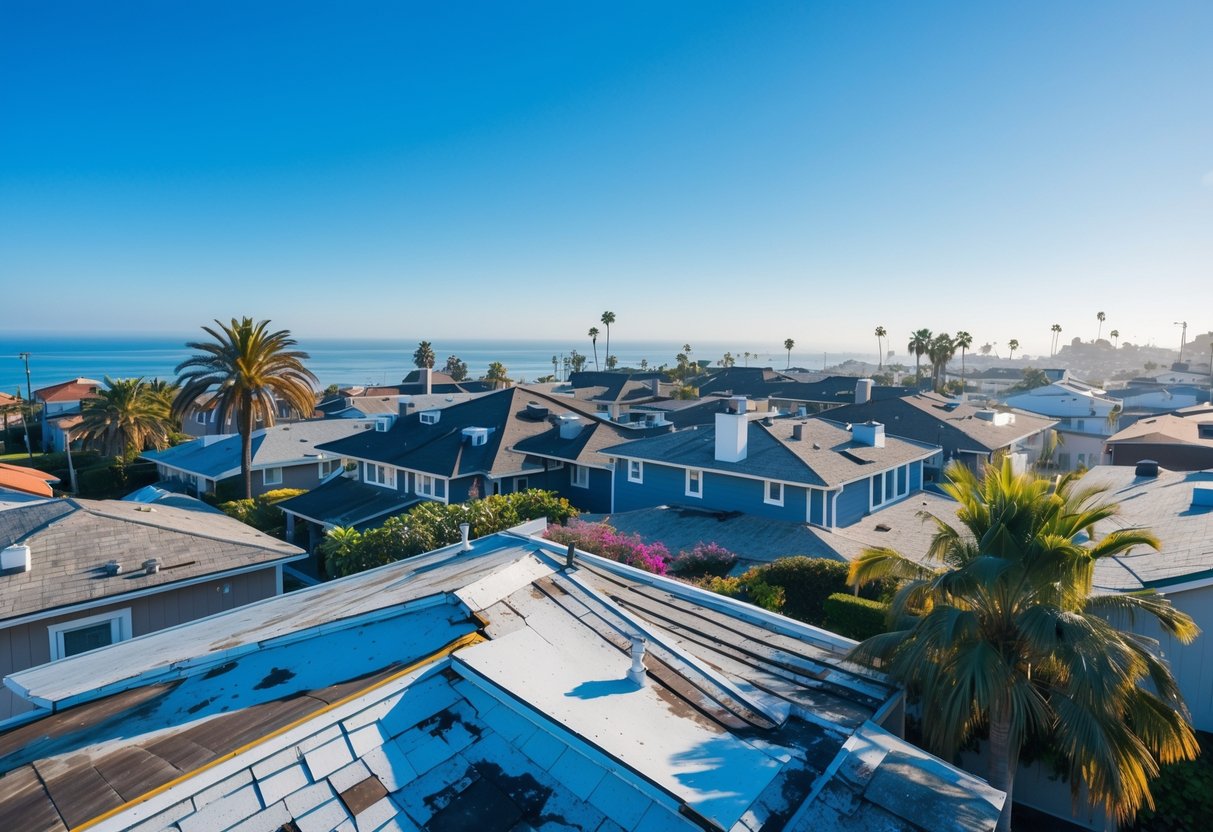
Homes in Venice and Playa del Rey face constant exposure to salt-laden air, high humidity, and steady coastal winds. These conditions speed up roof wear by corroding metals, breaking down common materials, and leaving visible surface stains that reduce both performance and curb appeal.
Saltwater Corrosion and Oxidation
Salt particles carried by ocean air settle on roofs and metal components. When combined with moisture, they trigger oxidation that leads to rust and weakening of fasteners, flashing, and gutters. This process happens faster in coastal weather than in inland areas.
Metal roofing systems are especially vulnerable if they use untreated steel. Aluminum and stainless steel resist saltwater corrosion better, but even they require routine cleaning and inspection.
Corroded parts often fail before the rest of the roof, creating leaks and water intrusion. Regular rinsing with fresh water, especially after windy days, helps slow down oxidation. Using corrosion-resistant fasteners and protective coatings provides another layer of defense against salt damage.
Material Degradation from Salt Exposure
Salt air does not only affect metal. Asphalt shingles in coastal roofing break down faster when exposed to salt and moisture. The granules that protect shingles from UV rays loosen, leaving the surface brittle and prone to cracking.
Tile roofs, while more durable, can also experience surface wear. Salt deposits settle into pores and speed up small-scale erosion. Over years, this can thin tiles and reduce their protective strength.
Composite shingles and treated materials hold up better under coastal weather, but they still require attention. Homeowners in Venice and Playa del Rey benefit from scheduled inspections to check for early signs of softening, curling, or weakened sealants caused by salt exposure.
Discoloration and Surface Staining
Salt buildup often leaves visible marks on coastal roofs. White streaks, faded patches, and uneven coloring are common signs of surface staining. These marks do not always mean structural damage, but they reduce the roof’s appearance and can signal trapped moisture.
Algae and moss growth also thrive in humid, salty air. These organisms darken shingles and tiles, making roofs look older than they are. They also hold moisture against surfaces, which speeds up material breakdown.
Routine cleaning with safe solutions removes salt deposits, algae, and moss. In some cases, specialized coatings can reduce staining and extend the clean look of coastal roofs in Venice and Playa del Rey.
Best Roofing Materials for Coastal Environments
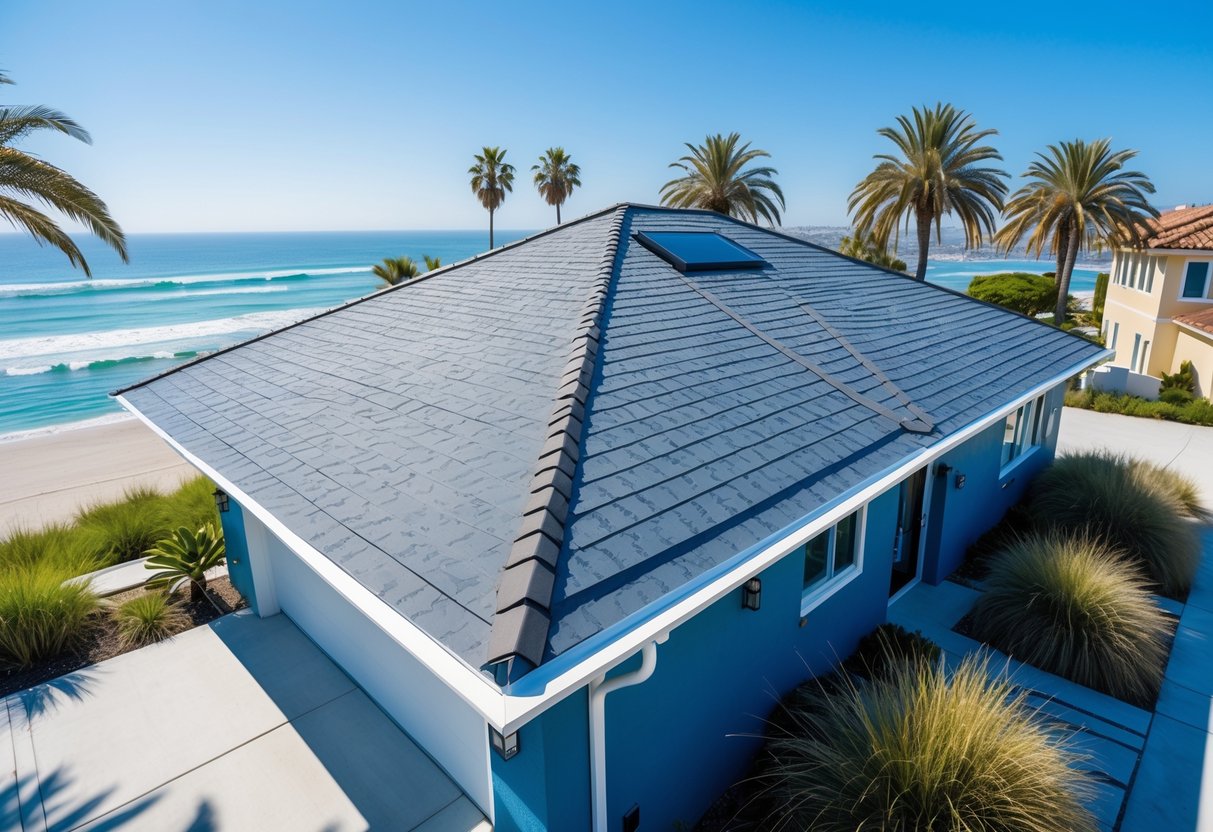
Homes near the ocean face constant salt spray, high winds, and high humidity that can shorten the life of standard roofing. Choosing materials with proven resistance to corrosion, impact, and moisture helps reduce repairs and extend performance in these conditions.
Metal Roofing and Protective Coatings
Metal roofing is one of the most reliable options for coastal homes. Aluminum stands out because it naturally resists corrosion from salt air without requiring heavy coatings. Steel can also perform well if it has a high-quality protective finish, such as galvanized or galvalume coatings, which slow down rusting.
Standing seam systems are especially effective in windy areas because their interlocking panels resist uplift. Hidden fasteners prevent water intrusion and reduce weak points where corrosion often begins. This makes them suitable for homes exposed to frequent storms.
Although metal roofing costs more upfront than asphalt shingles, it can last 40–50 years in coastal environments with minimal maintenance. Reflective coatings also lower cooling costs, which is useful in sun-heavy areas like Venice and Playa del Rey.
Key benefits of metal roofing:
- Lifespan: 40–50+ years
- Wind resistance: up to 140 mph with proper installation
- Corrosion protection: natural (aluminum) or coated (steel)
Concrete Tiles and Clay Tiles
Concrete and clay tiles provide strong resistance to salt damage because they are non-metallic and do not corrode. They are especially effective in humid conditions where other materials might break down. With proper installation, these tiles can last 50 years or more.
Clay tiles work well with Mediterranean and Spanish-style homes, which are common in coastal Southern California. They also reflect heat, which helps reduce indoor temperatures in sunny climates. Concrete tiles are heavier but offer similar benefits at a lower cost.
Professional installation is critical, as tiles must be secured with hurricane straps or interlocking systems to withstand high winds. Without reinforcement, tiles may loosen during storms.
Advantages of tile roofing:
- Lifespan: 50+ years
- Resistant to salt spray
- Strong wind ratings when installed with reinforcement
Coastal-Rated Asphalt Shingles
Asphalt shingles remain the most budget-friendly option for coastal homes. Standard shingles degrade quickly near the ocean, but impact-resistant and algae-resistant varieties perform better. These upgraded shingles contain reinforced layers that withstand flying debris and copper granules that reduce algae growth in humid air.
While their typical lifespan is shorter—about 15–25 years—they are easier and cheaper to replace after storm damage. Many insurance companies also offer discounts for homes with impact-rated shingles, which helps offset the slightly higher cost of premium versions.
For homeowners planning shorter stays or rental properties, asphalt shingles provide a practical balance of cost and protection. They may not last as long as metal or tile, but they offer reliable defense when properly installed and maintained.
Features of coastal-rated asphalt shingles:
- Lifespan: 15–25 years
- Impact resistance: Class 4 options available
- Algae resistance: copper-infused granules help prevent streaking
High Winds and Roof Integrity in Coastal Areas
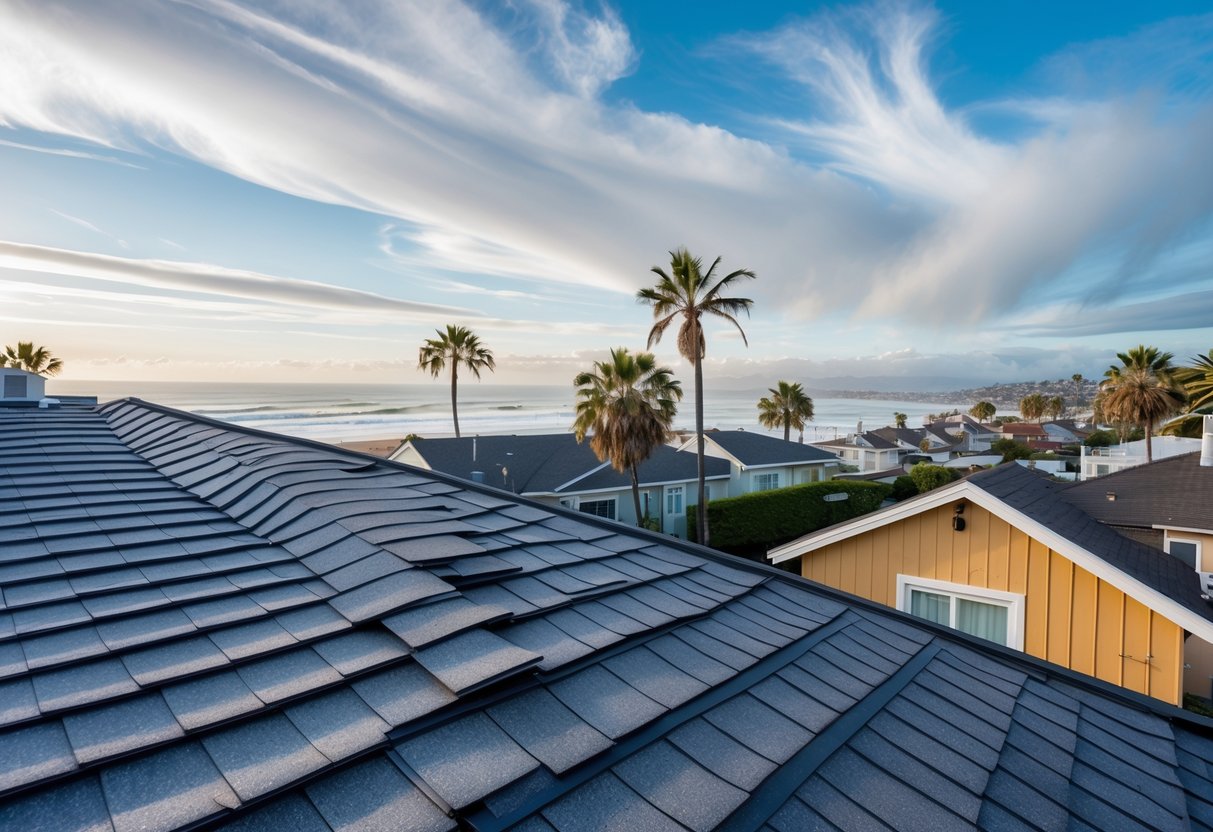
Coastal homes face strong gusts that can lift shingles, loosen flashing, and weaken roof structures. Using durable materials and reinforcing vulnerable edges helps reduce the risk of wind damage and keeps the roof secure during storms.
Wind-Resistant Roofing Solutions
High winds put pressure on roofing materials, often causing shingles or tiles to lift. To counter this, many homeowners choose metal roofing or synthetic shingles designed with enhanced fastening systems. These options provide better resistance compared to standard asphalt shingles.
Roof slope and shape also affect wind performance. A lower-pitched roof with fewer overhangs reduces uplift forces. Contractors often recommend hip roofs over gable roofs because they distribute wind loads more evenly.
Installation methods matter as much as material choice. Using nail patterns approved for high-wind zones, along with sealants on shingle tabs, makes a significant difference. In hurricane-prone areas, local building codes often require specific fastening systems that meet tested wind ratings.
The table below highlights common roofing materials and their wind resistance levels:
| Material | Typical Wind Resistance | Notes |
|---|---|---|
| Asphalt Shingles | 90–130 mph | Higher grades perform better |
| Metal Panels | 140+ mph | Strong fastening is essential |
| Synthetic Shingles | 110–190 mph | Lightweight and durable |
Securing Roof Edges and Flashing
Roof edges are the most vulnerable points during high winds. When wind gets under loose drip edges or flashing, it can tear away entire roof sections. Proper installation of edge metal with corrosion-resistant fasteners helps prevent this.
Flashing around chimneys, skylights, and vents also needs reinforcement. Using thicker gauge metal and sealing joints with high-quality adhesives keeps water and wind from penetrating weak spots.
Contractors often recommend extending drip edge flashing at least 2 inches over the roof deck. This small step reduces uplift and keeps shingles anchored. In coastal areas like Venice and Playa del Rey, where salt air accelerates corrosion, aluminum or galvanized steel flashing provides longer service life.
Routine inspections after storms ensure that fasteners remain tight and sealants intact. Addressing small gaps early prevents larger failures when the next high-wind event arrives.
Moisture, Humidity, and Roof Ventilation Challenges
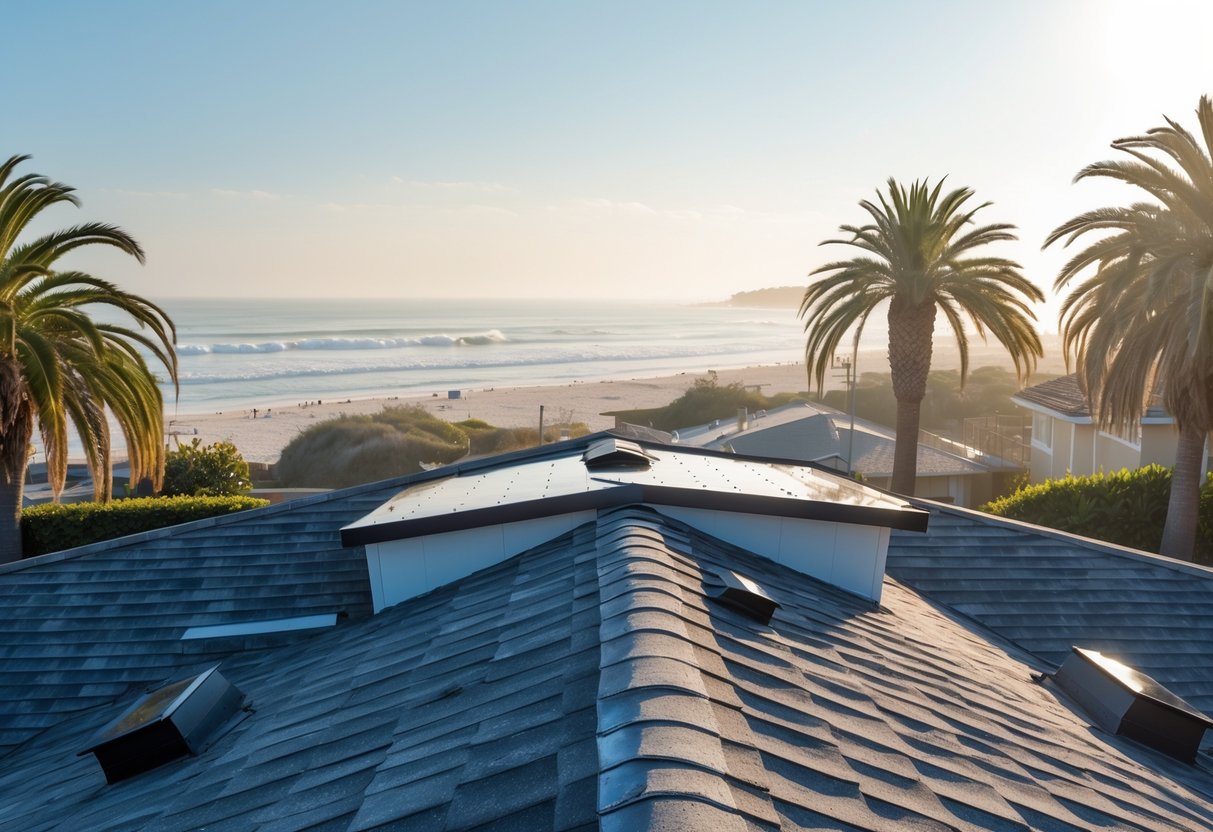
Coastal homes in Venice and Playa del Rey face constant exposure to salt air and high humidity. These conditions increase the risk of trapped moisture, which can damage attic spaces, weaken roofing materials, and shorten the lifespan of the roof.
Preventing Mold and Mildew
Moisture buildup in attics often leads to mold and mildew. In coastal areas, humidity levels stay high, and without proper airflow, dampness lingers in insulation, wood framing, and roof decking. Mold spores spread quickly in these conditions, creating health concerns and structural issues.
Homeowners can reduce risks by ensuring steady air circulation. Ridge vents paired with soffit vents create a balanced system that moves humid air out while drawing in drier air. This reduces condensation on surfaces and keeps insulation effective.
Routine inspections are also important. After storms or periods of heavy fog, checking for damp insulation, musty odors, or dark stains on rafters helps catch mold growth early. Using corrosion-resistant vent materials, such as marine-grade aluminum or vinyl, prevents rust and keeps airflow systems from failing in salt-heavy air.
Importance of Proper Roof Ventilation
Roof ventilation plays a direct role in controlling indoor air quality and protecting roof structures. In coastal homes, strong winds often push salt-laden air into small gaps, which increases condensation if ventilation is inadequate. A well-designed system maintains balanced airflow and prevents moisture from being trapped.
The most effective setups often follow a 2:1 ratio of soffit intake to ridge exhaust. This ensures negative pressure pulls moist air out instead of letting it settle inside. Turbine vents or solar-powered fans can also improve circulation in high-humidity regions without adding energy costs.
Proper installation matters as much as the products used. Sealing vent edges with waterproof tape, placing vents away from direct ocean winds, and scheduling seasonal maintenance all help extend roof life and prevent premature deterioration.
Inspection, Maintenance, and Replacement Strategies
Coastal roofs face constant exposure to salt air, wind, and moisture, which accelerates wear. Homeowners in Venice and Playa del Rey can reduce costly damage by scheduling inspections, keeping surfaces clean, applying protective coatings, and knowing when replacement is the most practical option.
Routine Roof Inspections and Cleaning
Regular roof inspections help spot small issues before they turn into major problems. In coastal areas, inspections should take place at least once a year, and after severe storms. A professional should check for cracked shingles, rust on flashing, loose tiles, and clogged gutters.
Cleaning is equally important. Salt deposits and debris trap moisture, which speeds up corrosion. Roof valleys, gutters, and drainage systems should stay clear to prevent standing water.
Metal components such as vents, flashing, and fasteners are especially vulnerable. Catching early signs of rust or corrosion prevents leaks and structural damage. Many contractors recommend documenting each inspection with photos to track changes over time.
A simple checklist can help:
- Inspect shingles or tiles for cracks or breaks
- Check flashing, vents, and fasteners for rust
- Clear gutters and downspouts of debris
- Look for signs of mold, algae, or water stains inside the attic
Applying and Maintaining Protective Coatings
Protective coatings extend the life of coastal roofs by shielding materials from salt and moisture. Elastomeric coatings, acrylic sealants, and specialized metal primers reduce rust formation and help keep surfaces watertight.
Coatings should be applied to clean, dry surfaces for the best results. Professionals often reapply them every 5–10 years depending on the product and exposure level. In high-salt environments like Venice Beach or Playa del Rey, shorter intervals may be necessary.
Homeowners should also monitor coated surfaces for peeling or blistering. These signs mean the coating is failing and needs touch-ups or reapplication.
A comparison of common coatings:
| Coating Type | Best For | Lifespan | Key Benefit |
|---|---|---|---|
| Elastomeric | Flat or low-slope roofs | 7–10 yrs | Flexible, UV resistant |
| Acrylic | Shingles, tiles | 5–7 yrs | Cost-effective, reflective |
| Metal primers/sealants | Metal roofs | 8–12 yrs | Rust prevention |
When to Consider Roof Replacement
Even with regular maintenance, roofs in coastal zones eventually reach the end of their service life. Replacement becomes necessary when repairs no longer stop leaks, corrosion spreads across large areas, or shingles and tiles show widespread cracking.
Typical lifespans vary: asphalt shingles last 15–20 years, metal roofs can reach 40–50 years, and clay or concrete tiles often exceed 50 years with care. Salt air, however, can shorten these timelines.
Signs that point to replacement include:
- Frequent leaks despite repeated repairs
- Large areas of rust or corrosion
- Sagging roof sections or weakened decking
- Rising energy bills from poor insulation and ventilation
In Venice and Playa del Rey, homeowners should also consider local building codes and energy standards when planning a roof replacement. Choosing durable materials like metal, tile, or high-quality architectural shingles ensures better resistance to salt exposure and strong winds.
Investing in replacement at the right time can prevent interior water damage, mold growth, and declining home value.
Frequently Asked Questions
Coastal homes in Venice and Playa del Rey face steady exposure to salt air, humidity, and ocean winds. Roof protection depends on the right materials, regular inspections, and preventive steps that slow corrosion and moisture damage.
How can I protect my roof from salt-air damage in coastal areas?
Homeowners can reduce salt-air damage by installing corrosion-resistant vents, using marine-grade materials, and sealing vulnerable areas. Regular rinsing with fresh water helps remove salt buildup on metal surfaces. Proper attic ventilation also prevents trapped moisture from worsening corrosion.
What materials are best suited for roofing in high salt-air environments?
Metal roofs with protective coatings, clay tiles, and slate perform well in salt-heavy conditions. PVC and vinyl soffits resist rust better than standard aluminum. When choosing shingles, fiberglass-based asphalt options last longer than wood in coastal climates.
Are there specific maintenance routines recommended for coastal roofing?
Yes. Homeowners should schedule seasonal inspections, especially after storms. Cleaning gutters, checking flashing, and rinsing exposed metal parts with fresh water help reduce long-term damage. Applying sealants or protective coatings every few years also improves durability.
What are the common signs of wear to look for on a coastal roof?
Signs include rust on fasteners or flashing, blistering paint, and pitting on metal vents. Homeowners may also notice warped shingles, mold growth in attic spaces, or weakened underlayment from trapped moisture. Early detection prevents more serious structural issues.
How often should I inspect my coastal property’s roof for salt-air corrosion?
Twice-yearly inspections are recommended, with additional checks after heavy rain or strong winds. Professional inspections every 2–3 years can identify hidden corrosion or ventilation problems that may not be visible from the ground.
Can protective coatings extend the lifespan of my roof in Venice and Playa del Rey?
Protective coatings can slow corrosion and reduce moisture absorption. Elastomeric paints, sealants, and anti-rust treatments are commonly applied to metal and tile surfaces. When reapplied on schedule, these coatings extend roof life and limit salt-air damage.