

Buying a home in Los Angeles comes with unique challenges, and the roof often holds some of the biggest risks. Sun exposure, seasonal winds, and even wildfire smoke can wear down materials faster than expected. A proper roof inspection helps buyers avoid costly repairs and ensures the home is safe and structurally sound.
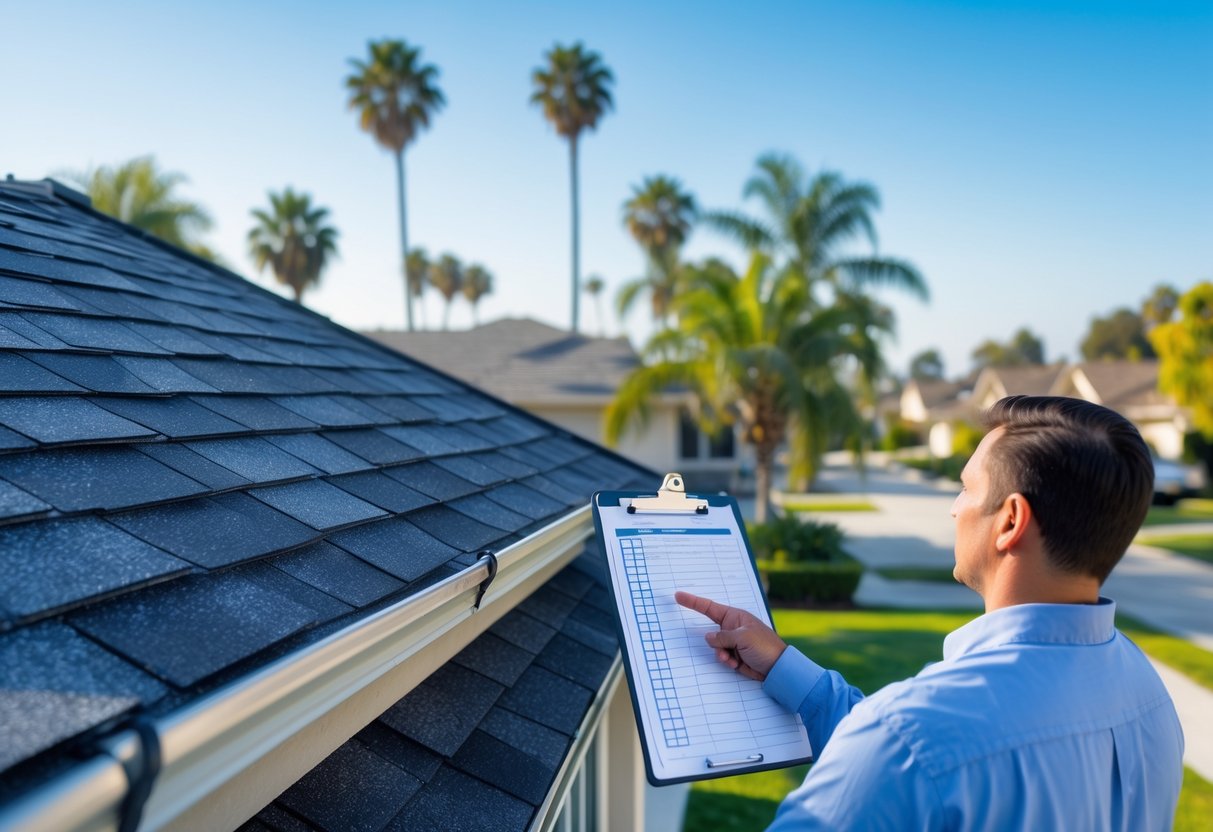
A thorough checklist goes beyond spotting missing shingles. It covers drainage, flashing, gutters, attic ventilation, and signs of leaks or water damage. By knowing what to look for, buyers gain the confidence to make informed decisions and negotiate repairs before closing.
Not all roofs in LA are the same—older homes may hide outdated materials, while newer builds may still face issues if not maintained. Understanding how to evaluate each part of the roof makes the difference between a smart investment and an expensive mistake.
Key Takeaways
- Roof inspections protect buyers from hidden repair costs
- A checklist ensures all major roof components are reviewed
- Choosing the right inspector leads to a clear, reliable report
Why Roof Inspections Matter for LA Home Buyers
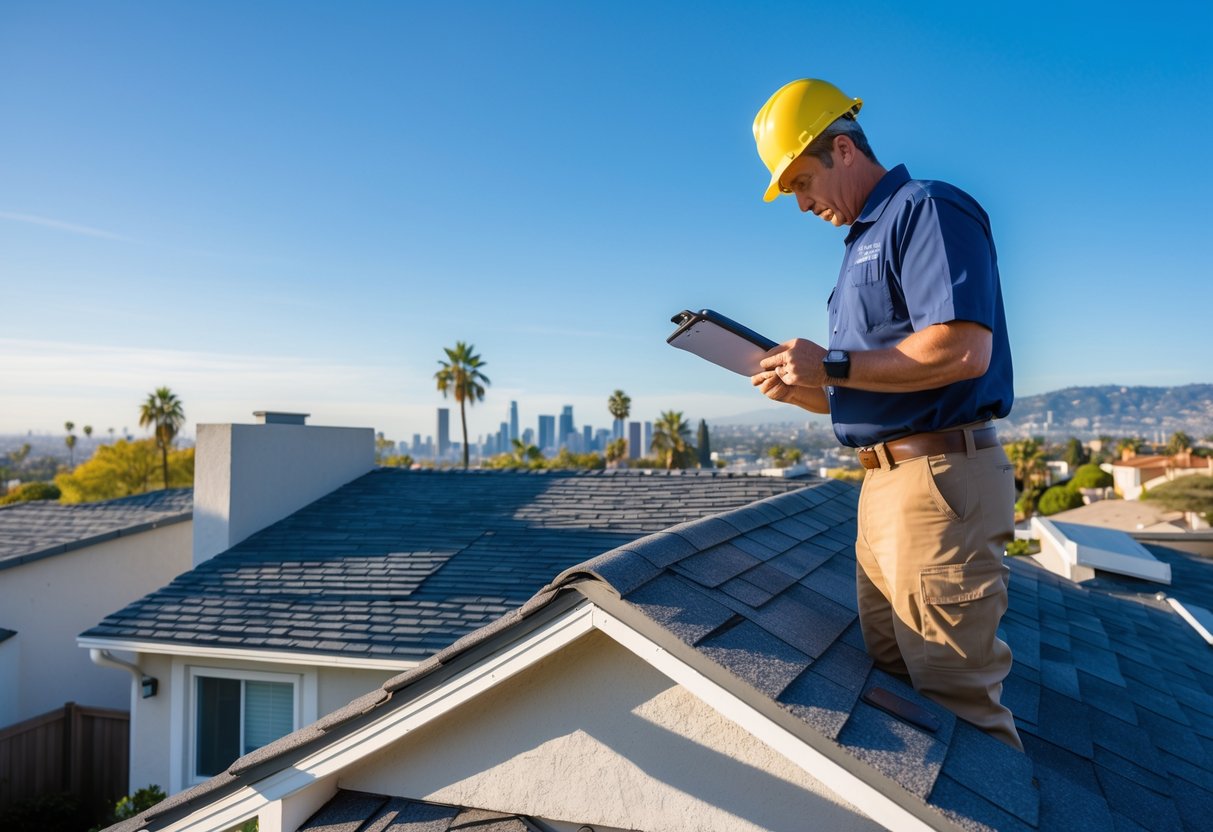
A roof inspection gives buyers clear insight into the condition of one of the most expensive parts of a home. It helps identify hidden problems, prevents unexpected repair costs, and ensures the property maintains long-term value.
Risks of Skipping a Roof Inspection
When buyers skip a roof inspection, they risk taking on costly repairs soon after purchase. Small leaks, cracked shingles, or worn flashing may not be visible during a standard home walkthrough. These issues can lead to water damage, mold, or structural problems if ignored.
Roof repairs in Los Angeles often cost several thousand dollars, and full replacements can reach tens of thousands. Without an inspection, buyers may inherit these expenses without any price adjustment from the seller.
A professional roof inspection also documents the roof’s age and condition. This information helps buyers understand how soon they may need to budget for maintenance or replacement, rather than being caught off guard.
Impact on Home Value and Insurance
The condition of the roof directly affects property value. A well-maintained roof reassures buyers and appraisers that the home is structurally sound, while a neglected roof can lower the asking price.
Insurance companies also evaluate roof condition when issuing policies. Some providers may deny coverage or raise premiums if the roof is old or shows signs of damage. In certain cases, insurers may require repairs before coverage begins.
For buyers, a documented roof inspection can serve as proof of condition during negotiations. It can also be used to request repairs, credits, or a reduced purchase price. This makes the inspection a financial safeguard as well as a practical one.
Climate Challenges Unique to LA
Los Angeles presents specific challenges that make roof inspections especially important. Constant sun exposure can cause shingles to crack or curl, while heavy seasonal rains may expose leaks that stay hidden during dry months.
In some neighborhoods, flat or low-slope roofs are common. These designs are more prone to pooling water, which increases the risk of leaks and structural strain.
Seismic activity in the region can also shift roofing materials or damage flashing. Inspectors familiar with LA’s climate and building styles are better equipped to identify these issues. A local roof inspection ensures the buyer understands how the home’s roof will perform under these conditions.
Key Components of a Roof Inspection Checklist
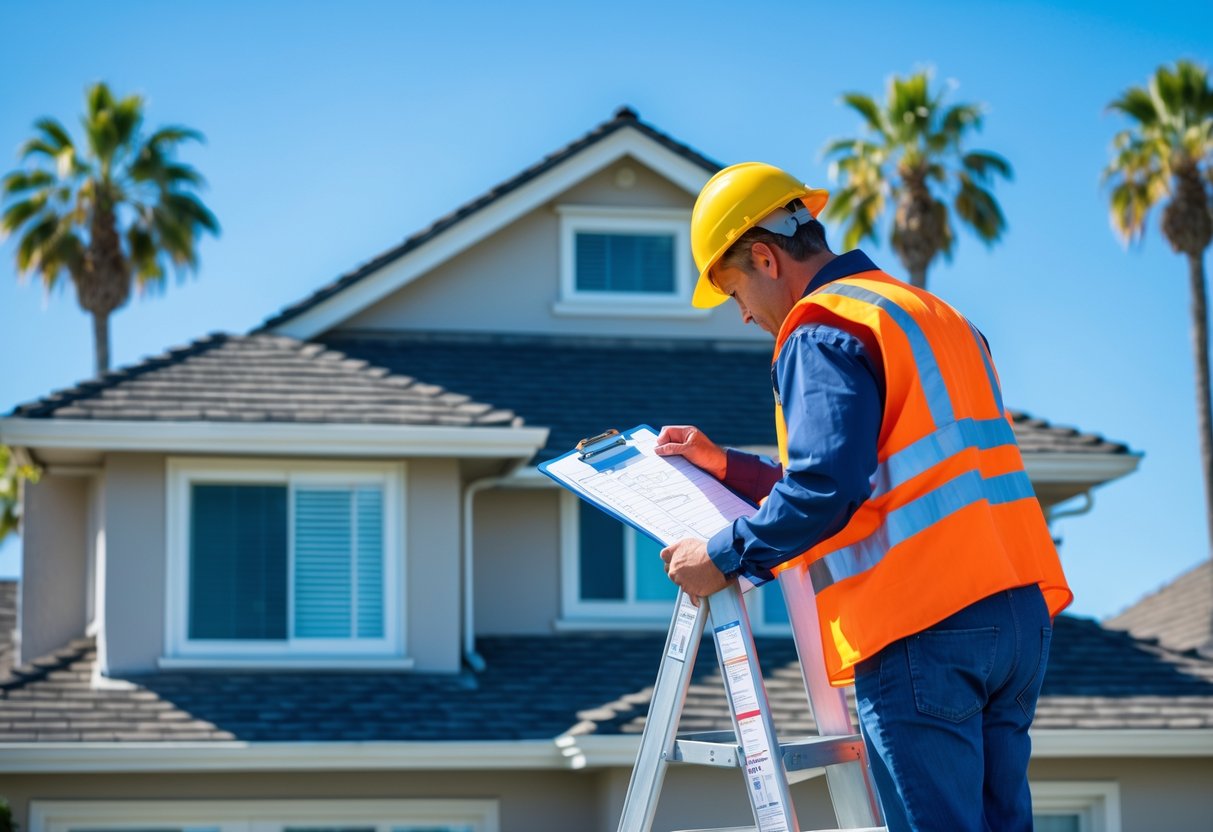
A complete roof inspection checklist should focus on visible surface conditions, the integrity of roof openings, and the effectiveness of water drainage systems. Each of these areas provides clear signs of roof health and helps identify potential problems before they turn into expensive repairs.
Exterior Roof Surface Evaluation
The roof surface is the most noticeable part of a home inspection checklist. Inspectors look for missing, cracked, or curled shingles on asphalt roofs, as these are common signs of wear. On tile roofs, they check for broken or slipped tiles. Metal roofs are examined for rust, loose fasteners, or dents.
Pooling water on flat roofs is a major concern. Water that does not drain within 24 hours can lead to leaks and structural damage. Inspectors also note discoloration, moss, or algae growth, which may indicate trapped moisture or poor ventilation.
A straight roofline is another key factor. Sagging or uneven areas suggest weakened supports or water intrusion. Documenting these conditions with photos helps track changes over time and provides useful evidence for repair negotiations.
Assessment of Roof Penetrations
Roof penetrations include chimneys, skylights, vents, and satellite dish mounts. These areas are often the first points of failure in a roofing system. Inspectors check the flashing—the thin metal material around these openings—for cracks, rust, or lifting edges.
Caulking and sealants are also reviewed. Brittle or missing sealant allows water to seep through gaps. Chimneys are inspected for cracked bricks or deteriorating mortar, while skylights are checked for fogging or water stains inside the home.
Ventilation plays a role in roof health as well. Blocked or poorly installed vents can trap heat and moisture in the attic, leading to mold or shortened shingle life. Careful attention to these details ensures that penetrations do not compromise the roof’s integrity.
Inspection of Gutters and Downspouts
Gutters and downspouts are essential for directing water away from the roof and foundation. Inspectors confirm that gutters are securely attached, free of clogs, and not sagging. Rust or holes in metal gutters are noted as potential leak points.
Downspouts must discharge water far enough from the foundation, usually at least four feet. If water pools near the base of the home, it can cause structural issues over time.
Inspectors also look for signs of overflow, such as water stains on siding or fascia boards. Clogged gutters often lead to roof edge damage, so regular cleaning is a key part of both a roof inspection checklist and a general home inspection checklist.
Interior Roof and Attic Assessment
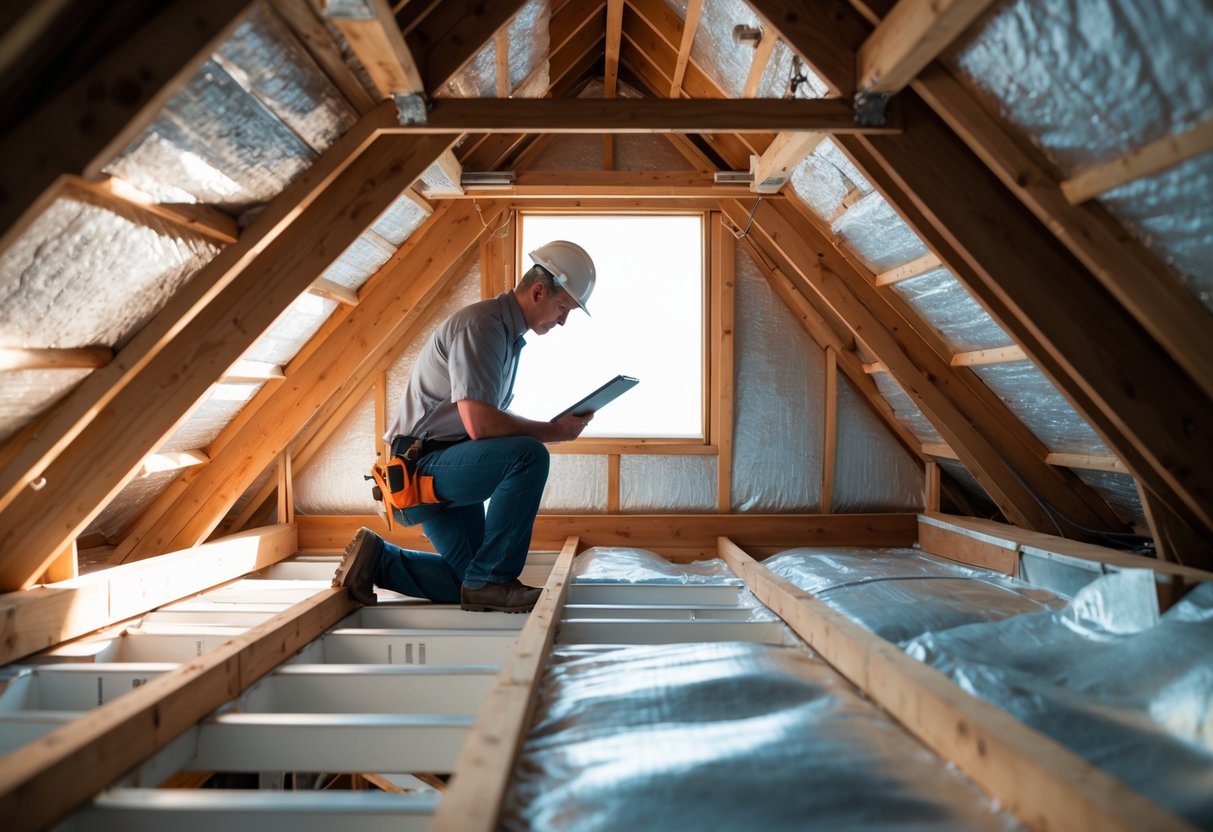
A careful review of the roof’s underside and the attic space helps reveal issues that may not be visible from outside. Moisture, poor airflow, and weak insulation often show up indoors first, making this step an important part of any home inspection checklist.
Signs of Water Damage or Leaks
Water intrusion usually leaves clear evidence inside the attic. Stains on the underside of roof decking, especially near chimneys, vents, or skylights, often point to leaks. Dark patches, peeling wood, or sagging areas should raise concern.
Mold or mildew growth is another warning sign. These can appear on rafters, insulation, or even stored items. A musty odor often confirms hidden moisture.
Inspectors also look for rusted nails or damp insulation, since these indicate prolonged exposure to water. In Los Angeles, where winter rains can be heavy, even small leaks may spread quickly and damage structural wood.
A roof inspection checklist should include:
- Ceiling stains inside living areas
- Wet insulation or compressed insulation
- Visible mold on rafters or sheathing
- Soft or decayed wood around penetrations
Ventilation and Insulation Review
Proper airflow in the attic reduces heat buildup and prevents moisture from lingering. Inspectors check for balanced intake and exhaust vents, often located at soffits and ridges. Blocked vents or missing screens can reduce performance and allow pests inside.
Insulation plays a key role in energy efficiency and roof health. It should cover joists evenly without blocking airflow. Inconsistent depth or gaps reduce effectiveness.
A home inspection checklist often includes measuring insulation thickness and confirming that vapor barriers face the heated side of the house. In older LA homes, insufficient insulation is common and may lead to higher cooling costs.
Key items to confirm:
| Item | What to Check |
|---|---|
| Ventilation | Clear soffit and ridge vents, no obstructions |
| Insulation | Even coverage, correct placement, no moisture |
| Airflow | Balanced intake and exhaust |
Understanding Your Roof Inspection Report

A roof inspection report highlights the current condition of the roof, notes any visible issues, and provides recommendations for repair or replacement. Buyers in Los Angeles often see recurring patterns tied to local weather, building styles, and common roofing materials. Clear interpretation of the inspector’s notes helps determine repair urgency and potential costs.
Common Findings in LA Homes
Roof inspection reports for Los Angeles homes often reveal sun damage. Prolonged heat and UV exposure can cause shingles to curl, crack, or lose granules. Tile roofs may show fading or surface wear from the same conditions.
Inspectors also note water intrusion risks. Flat or low-slope roofs common in LA can develop ponding water after heavy rain. Poor drainage around gutters and scuppers is another frequent problem.
Earthquake-related stress may also appear in reports. Inspectors sometimes identify minor shifts or cracks in roof structures, especially in older homes.
Other findings include:
- Damaged flashing around chimneys or skylights
- Loose or missing tiles/shingles after Santa Ana winds
- Mold or staining in attics from past leaks
These issues do not always mean immediate replacement. Many can be addressed with targeted repairs, but buyers should weigh the age of the roof against the cost of ongoing maintenance.
How to Interpret Inspector Notes
Inspector notes in a home inspection report often use short phrases or technical terms. Buyers should look for condition ratings such as good, fair, or poor. These ratings indicate whether the roof needs only maintenance or if major work is expected soon.
When inspectors list recommended actions, pay attention to words like monitor, repair, or replace. Each suggests a different level of urgency. For example:
| Term Used | Meaning | Typical Next Step |
|---|---|---|
| Monitor | Issue is minor, watch for changes | No immediate action |
| Repair | Localized fix needed | Hire contractor |
| Replace | Roof or section at end of life | Plan major work |
Photos included in the report often highlight the exact location of problems. Buyers should compare these with the written notes to understand scope.
If wording is unclear, it is reasonable to ask the inspector for clarification. A precise understanding of the notes allows buyers to negotiate repairs with sellers or budget accurately for future work.
Choosing Qualified Home Inspectors in LA
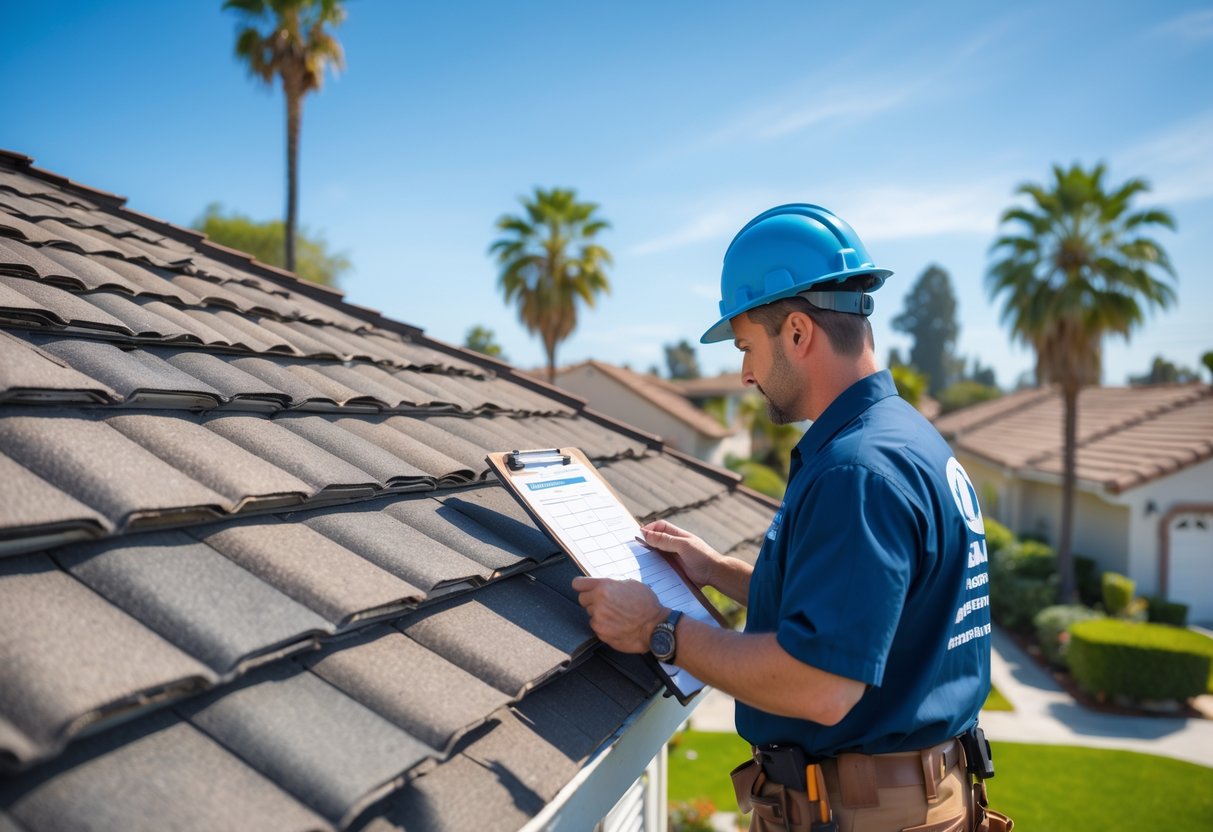
Selecting the right home inspector in Los Angeles requires attention to both professional background and practical knowledge. Buyers should focus on proven credentials, local experience with LA’s climate, and clear communication during the inspection process.
Certifications and Experience to Look For
A qualified home inspector should hold certifications from recognized organizations such as ASHI (American Society of Home Inspectors) or InterNACHI (International Association of Certified Home Inspectors). These groups set standards for training, ethics, and continuing education.
Experience in Los Angeles is also important. Inspectors familiar with the region understand common issues like roof damage from UV exposure, seasonal rain leaks, and aging clay tile or asphalt shingle systems.
It helps to ask how long they have worked in the area and the number of inspections they perform each year. An inspector who regularly evaluates homes in LA is more likely to recognize patterns of wear unique to the local climate.
Buyers should also confirm that the inspector carries errors and omissions insurance. This coverage protects both the inspector and the client if something important is overlooked.
Questions to Ask Before Hiring
Before scheduling a home inspection, buyers should ask specific questions to confirm the inspector’s approach and reliability.
Key questions include:
- What areas of the home are included in the inspection?
- Do you provide a written report with photos?
- How soon will the report be available?
- What is your inspection process for the roof and attic?
Another important detail is whether the inspector encourages buyers to attend the inspection. Being present allows the buyer to see issues firsthand and ask for clarification.
It is also useful to ask for sample reports. A clear, well-structured report shows how the inspector communicates findings and whether they provide detailed repair recommendations.
Finally, buyers should confirm costs upfront and ask about any additional fees for specialized inspections, such as mold or sewer line checks.
Frequently Asked Questions

A roof inspection in Los Angeles requires attention to both exterior and interior details. Local weather, building styles, and common material issues make it important to know what to check, how often to schedule inspections, and which professionals to trust for accurate evaluations.
What are the critical elements to inspect on a roof before purchasing a home in Los Angeles?
Buyers should check the condition of shingles, flashing, gutters, and ventilation systems. They should also confirm whether the roof shows signs of sagging, leaks, or poor drainage. These elements directly affect the roof’s lifespan and the home’s safety.
How often should a roof be inspected in the Los Angeles area?
In Los Angeles, a professional inspection once a year is recommended due to heat, seasonal rain, and sun exposure. Additional checks after major storms or earthquakes help detect damage early.
What are common roofing issues to look out for in Los Angeles homes?
Shingle deterioration from UV exposure, cracked sealants, and rusted flashing are frequent problems. Water stains, mold growth, and sagging roof decks are also common issues linked to local weather and aging materials.
Can you provide a checklist of exterior roofing components to assess during a home inspection?
- Shingles: look for curling, cracks, or missing pieces
- Flashing: check around chimneys, skylights, and vents for gaps or rust
- Gutters and downspouts: confirm they are clear and draining properly
- Roofline: look for sagging or uneven surfaces
- Sealants: inspect for cracks or deterioration
What interior signs should prompt a closer roof evaluation during a home inspection in LA?
Stains or discoloration on ceilings and walls can point to leaks. In the attic, damp insulation, mold, or poor airflow may signal roof problems. Any musty odor inside should also raise concern.
Who should I hire for a professional roof inspection when buying a home in Los Angeles?
Buyers should hire licensed and insured roofing inspectors with experience in Los Angeles homes. Inspectors familiar with local climate challenges, such as heat and seasonal rain, can provide more accurate assessments. Checking reviews and verifying credentials helps ensure reliable service.