

Living in a condo or townhome means sharing more than just walls—it also means following rules that protect the property’s value and appearance. Roofs are one of the most important parts of any community, and associations set clear standards for how they must be maintained, repaired, and replaced. In most cases, the HOA manages the main roof structure, while owners handle interior damage or unit-specific features like skylights and chimneys.
These rules may feel restrictive, but they exist to keep the community consistent and prevent costly disputes. Whether it’s getting approval for a roof project, choosing materials that meet design guidelines, or understanding how insurance fits into the process, knowing the basics helps avoid confusion. By learning how responsibilities are divided, owners can plan ahead and prevent unexpected expenses.
Key Takeaways
- HOA rules set clear standards for roof care and changes
- Owners and associations share different repair responsibilities
- Approval, materials, and insurance all affect roofing projects
Understanding HOA Roofing Rules and Regulations

Roofing in condo and townhome communities is often subject to strict oversight. Homeowners associations regulate these areas to maintain property values, ensure uniformity, and clearly divide repair responsibilities between the association and individual owners.
Why HOAs Regulate Roofing
Homeowners associations set roofing rules to keep neighborhoods consistent and well-maintained. A roof in poor condition can lower nearby property values and create disputes about maintenance responsibilities.
For condos, the HOA usually manages shared roof structures since they protect multiple units. In townhomes, rules may differ, with some associations requiring owners to handle their own roof upkeep while still following appearance standards.
These regulations also reduce insurance risks. By enforcing inspections, approved materials, and professional installation, HOAs limit damage from leaks or storm events. This protects both shared structures and individual units.
In many cases, roofing regulations help prevent conflicts. Clear rules about who pays for repairs and when replacements are required reduce uncertainty for owners and boards alike.
Key Roofing Standards in HOA Communities
HOA roofing regulations often focus on appearance, materials, and maintenance. Communities may require specific shingle colors, tile types, or roof slopes to create a uniform look.
Common standards include:
- Approved materials only (asphalt shingles, clay tile, or metal depending on the community)
- Color restrictions to match surrounding homes
- Professional installation by licensed contractors
- Routine inspections scheduled by the HOA or required of owners
Some HOAs also set timelines for replacement. For example, a roof older than 20–25 years may need inspection or mandatory replacement even if no leaks are present.
Rules often extend to modifications. Owners may need written approval before adding skylights, solar panels, or satellite dishes since these can affect shared structures or create leak risks.
Role of HOA Agreements and Governing Documents
The HOA agreement and governing documents define how roofing responsibilities are divided. These include the Covenants, Conditions, and Restrictions (CC&Rs), bylaws, and sometimes a master deed.
For condos, the HOA usually covers the main roof as part of common areas. Owners, however, remain responsible for interior damages caused by leaks or for maintaining unit-specific features like balcony covers or vents.
Townhome documents may assign more responsibility to owners. Some HOAs require owners to replace their own roof but still restrict material and color choices. Others treat roofs as shared elements and fund replacements through HOA dues.
These documents also explain how costs are managed. Associations may use reserve funds for large projects or issue special assessments when funds are short. Owners should review these rules closely to understand financial obligations before problems arise.
Responsibility for Roof Maintenance and Repairs
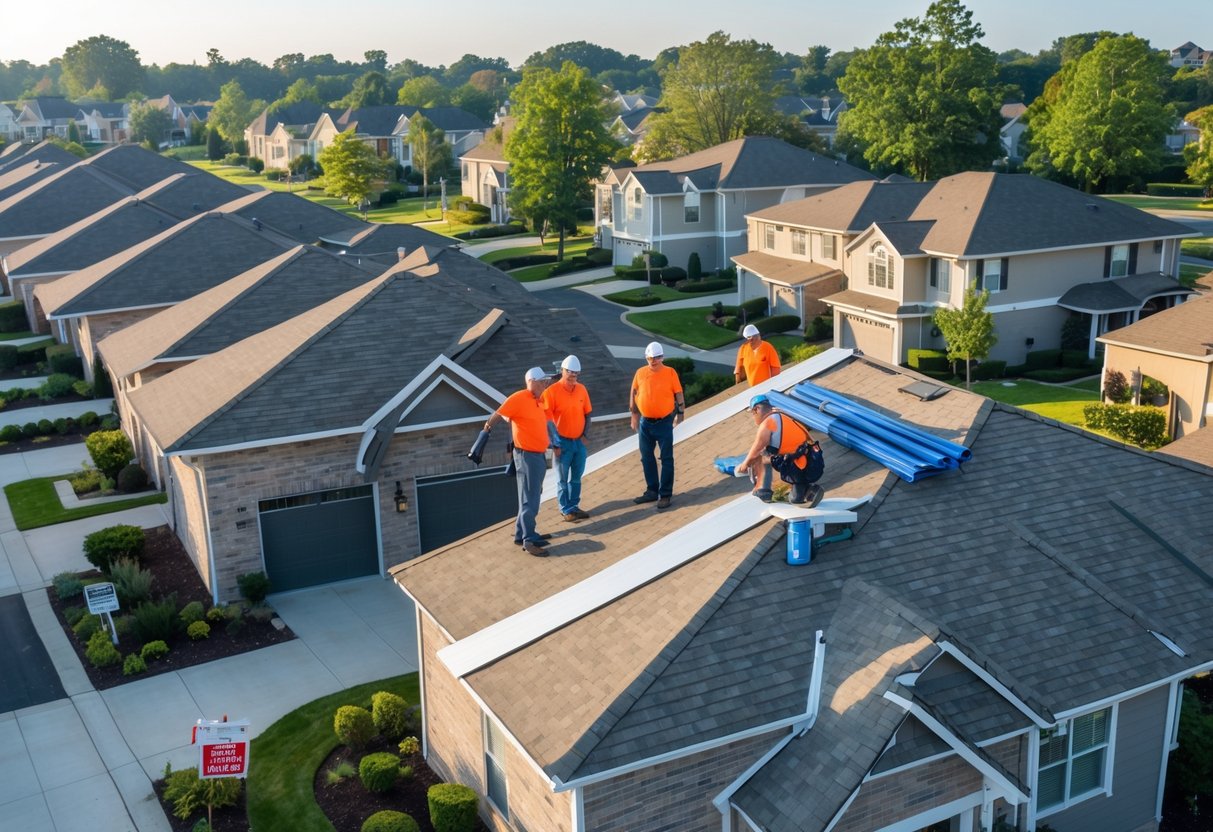
Responsibility for roofing depends on property type, governing documents, and how roofs are classified. In many communities, shared roofs fall under the HOA’s authority, while individual homeowners handle their own structures. Costs are often divided through HOA fees, but insurance policies and state laws can also affect who pays.
Common Areas vs. Individual Units
In condominiums, the roof is usually part of the common areas. Because it protects multiple units, the HOA is typically responsible for roof maintenance and roof repair. Costs for these projects are funded through regular HOA fees or, in some cases, special assessments.
Townhomes may differ. If the governing documents define the roof as part of each unit, the homeowner must cover repairs or replacements. This distinction often depends on whether the roof serves one unit or multiple units.
A clear way to understand the division is:
| Ownership Type | Roof Responsibility | Funding Source |
|---|---|---|
| Condominium (shared roof) | HOA | HOA fees or assessments |
| Townhome (individual roof) | Homeowner | Personal funds |
Because definitions vary, owners should always review the Declaration of Covenants (CC&Rs) to confirm which category applies.
HOA Board and Homeowner Duties
The HOA board manages upkeep of shared structures. This includes scheduling inspections, hiring contractors, and ensuring compliance with safety standards. When the roof is classified as a common area, the board must plan for both routine roof maintenance and long-term replacement.
Homeowners also have duties. Even if the HOA is responsible for major repairs, owners must report leaks, visible damage, or other issues quickly. Failure to notify the board can worsen problems and increase repair costs.
In cases where the homeowner is responsible, they must budget for roof repair and keep insurance coverage updated. The HOA may still enforce appearance standards, requiring repairs to meet community guidelines.
Navigating Major Repairs and Emergencies
Major repairs, such as replacing an entire roof, usually require planning and budgeting. HOAs may use reserve funds or levy a special assessment if costs exceed the budget. Homeowners should expect advance notice of these expenses unless an urgent situation arises.
Emergency roofing situations, like storm damage or sudden leaks, are handled differently. If the roof is a common area, the HOA board must act quickly to protect all units. They may file a claim under the master insurance policy, though deductibles can be shared among owners.
For individually owned roofs, the homeowner must arrange emergency roofing services and file claims under their personal insurance. Acting quickly helps limit damage to both the unit and neighboring properties.
Clear communication between the HOA board and homeowners is essential during emergencies. This ensures repairs are authorized, costs are fairly allocated, and the property remains safe.
HOA Approval Process for Roofing Projects

Roofing projects in condos and townhomes often require review by the HOA board before work can begin. Homeowners need to follow the approval steps carefully, provide the right paperwork, and understand what to do if their request is denied.
Obtaining HOA Approval
Most HOAs require homeowners to submit a formal request before starting any roofing project. This request usually goes through the architectural review committee or directly to the HOA board.
The board reviews the proposal to ensure the roofing materials, colors, and styles match community standards. Many HOAs maintain a list of pre-approved colors and products, which can speed up the process.
If a neighbor’s home already has the same roof color or material, the HOA may require a different option to avoid uniformity issues. Homeowners should check these rules in advance.
Approval timelines vary. Some boards meet monthly, while others review requests only a few times per year. Submitting early helps avoid delays.
Required Documentation and Communication
HOAs typically ask for specific documents with the application. These may include:
- Contractor details (license, insurance, contact information)
- Roofing material samples or brochures
- Color swatches or photos of similar approved roofs
- Project timeline with estimated start and finish dates
Clear communication with both the HOA board and management company is key. Sending complete, well-organized paperwork reduces back-and-forth questions.
Homeowners should also keep written records of all emails, letters, and approvals. This ensures there is proof of compliance if questions come up later.
If the HOA requires multiple copies of documents or physical samples, providing them promptly can help move the request forward.
Dealing with Denied Requests
Sometimes the HOA board denies a roofing request. Common reasons include non-approved colors, materials that do not match neighborhood standards, or missing paperwork.
When this happens, the homeowner can usually appeal the decision. Appeals often involve submitting additional details, showing design examples, or choosing from the HOA’s pre-approved list.
It helps to remain cooperative and professional. Ignoring the denial and starting work without approval can lead to fines, forced removal of the roof, or legal action under the HOA agreement.
If disagreements continue, homeowners may request a meeting with the board to explain their case directly and explore acceptable alternatives.
Choosing Roofing Materials Within HOA Guidelines
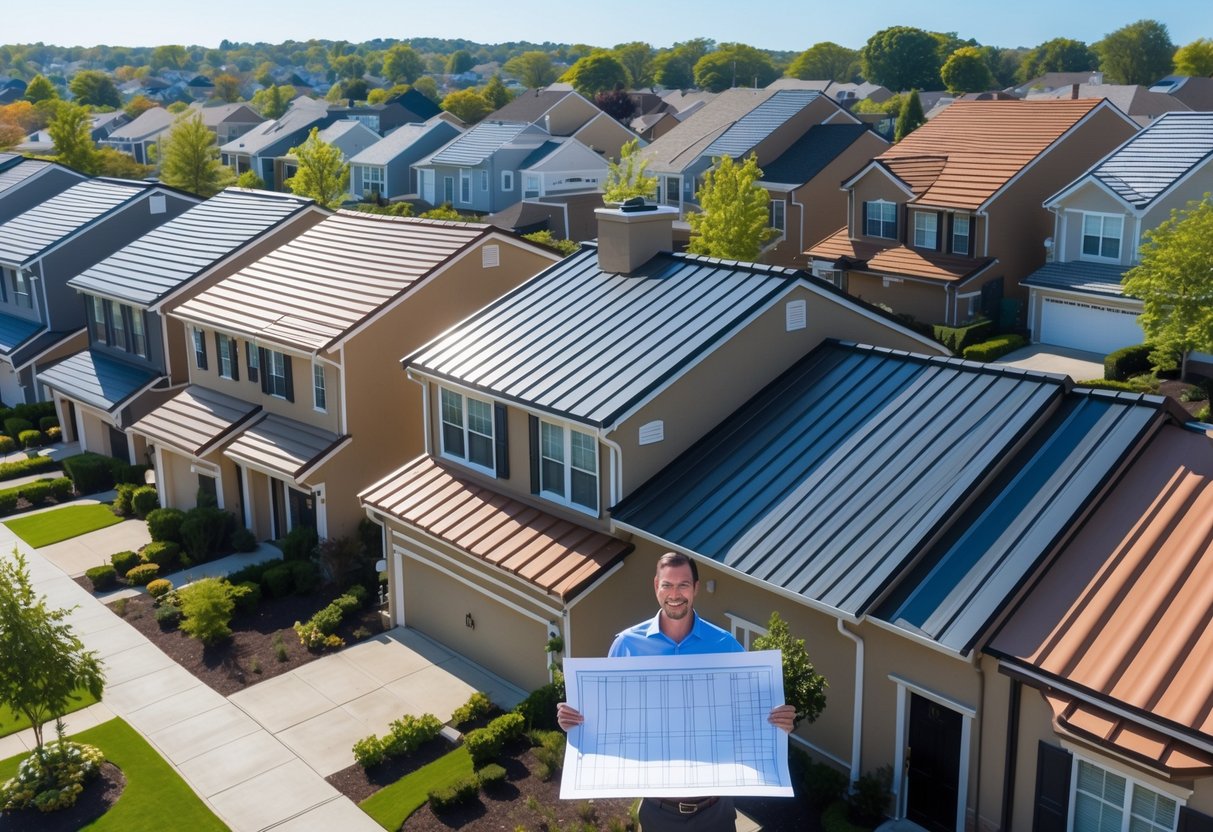
Homeowners associations often control what roofing materials can be installed to preserve a consistent look and meet safety standards. Boards and homeowners must weigh approved options carefully, considering cost, durability, and how the roof impacts long-term property value.
Approved Roofing Materials
Most HOAs maintain a list of approved roofing materials to ensure architectural consistency across the community. These lists often include asphalt shingles, metal roofing, clay or concrete tiles, and in some cases, slate.
Rules usually cover color, finish, and style. For example, an HOA may only allow neutral shades like gray, brown, or black to maintain curb appeal. Glossy finishes are often restricted because they create glare and disrupt visual harmony.
Some associations also require roofs to meet standards for fire resistance, wind ratings, or hail impact. This ensures that the material is not only visually acceptable but also durable in local weather conditions.
Failure to follow these requirements can lead to fines or forced replacement, so homeowners should confirm compliance before signing a roofing contract.
Asphalt Shingles and Metal Roofing Options
Asphalt shingles remain the most common residential roofing choice in HOA communities. They are affordable, available in many colors, and blend well with different architectural styles. However, their lifespan is usually 15–20 years, which means more frequent replacements.
Metal roofing, including stone-coated steel, is gaining acceptance in many associations. It lasts 40–70 years, requires less maintenance, and provides strong resistance to fire, pests, and severe weather. Some HOAs approve metal roofing only if it mimics the look of traditional shingles or tiles, ensuring the community’s appearance stays uniform.
The table below highlights key differences:
| Material | Lifespan | Maintenance | Common HOA Concerns |
|---|---|---|---|
| Asphalt Shingles | 15–20 years | Moderate | Short lifespan, algae growth |
| Metal Roofing | 40–70 years | Low | Style restrictions, cost |
Both materials can meet HOA standards if selected in approved colors and profiles.
Balancing Durability, Aesthetics, and Compliance
Homeowners must balance durability, aesthetics, and compliance when selecting roofing materials. A roof that looks attractive but wears out quickly will create higher costs for the community. On the other hand, a durable material that clashes with the neighborhood design may not receive HOA approval.
Durability often favors metal roofing, while aesthetics and cost may favor asphalt shingles. Some communities compromise by approving stone-coated metal, which combines the look of shingles or tiles with the strength of steel.
The key is to choose a material that satisfies all three areas:
- Durability to reduce long-term expenses.
- Aesthetics to protect curb appeal and property values.
- Compliance to meet HOA rules and avoid penalties.
This balance ensures the roof supports both the homeowner’s investment and the community’s standards.
Roof Replacement and Insurance Considerations
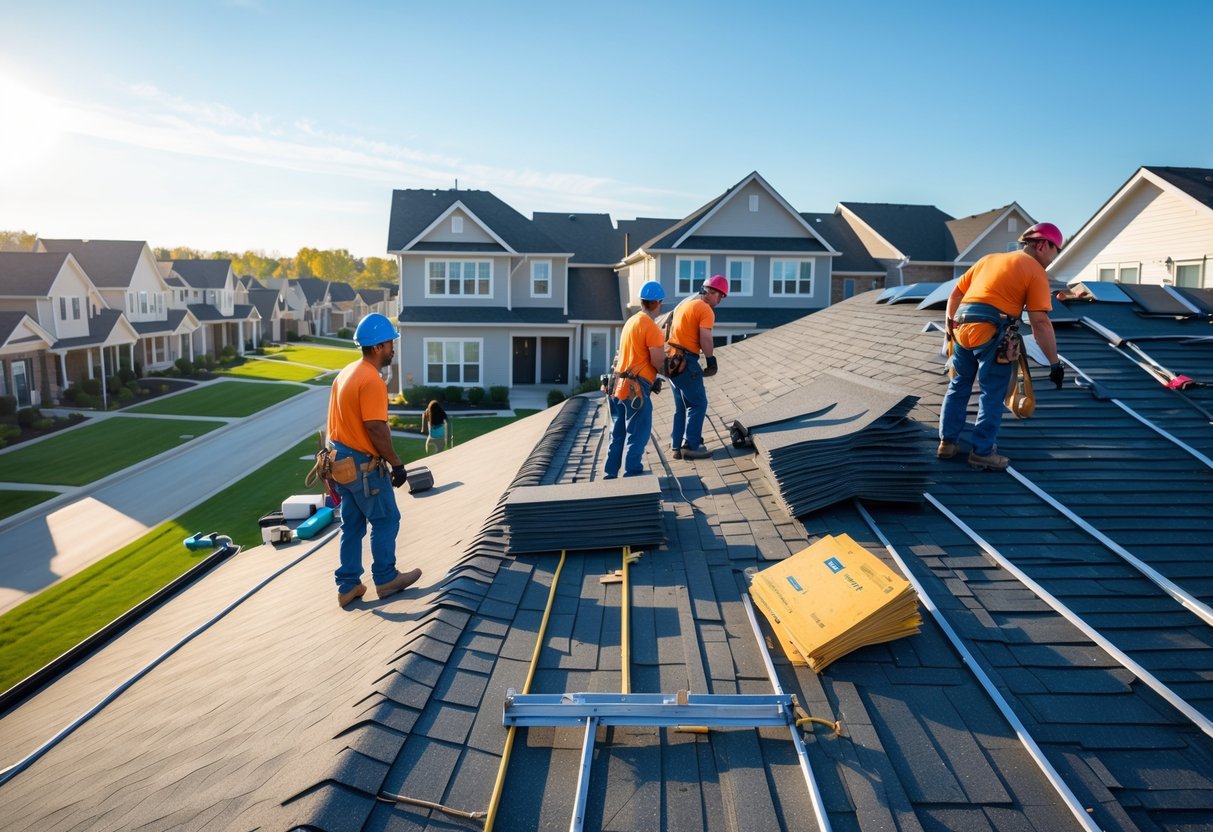
Roof replacement in condo and townhome communities often involves both the homeowners association and individual owners. Costs, responsibilities, and insurance coverage depend on governing documents, property type, and the cause of the damage. Careful planning helps protect property values and keeps expenses predictable.
When Roof Replacement Is Required
Roof replacements usually happen when repairs are no longer effective. Signs include frequent leaks, widespread shingle or membrane damage, and structural sagging. Age also matters—most roofs last 15–30 years, depending on material and weather exposure.
In condominiums, the HOA typically manages replacement since the roof is part of the common structure. In townhomes, responsibility varies. Some HOAs cover the exterior shell, while others only handle shared portions. Owners should confirm responsibilities by reviewing CC&Rs (Covenants, Conditions, and Restrictions).
Professional inspections help determine if replacement is necessary. An HOA board or property manager often arranges these assessments, ensuring decisions are based on clear evidence rather than guesswork.
Insurance Policies and Coverage
Insurance policies play a key role in roof replacement costs. If damage comes from storms, fire, or other covered events, the HOA’s master policy or an owner’s individual policy may apply. Routine wear and tear is usually not covered, leaving the HOA or homeowner to fund replacement.
Condo owners often rely on the HOA’s master insurance policy for structural coverage, while their personal policy (HO-6) covers the interior. Townhome owners may have broader responsibility, requiring them to carry more extensive coverage for the roof.
It is important to review policy language carefully. Owners should check whether coverage extends to full replacement cost or only the actual cash value, which factors in depreciation. This difference can significantly affect out-of-pocket expenses.
Managing Costs and HOA Fees
Roof replacement can be one of the largest expenses an HOA faces. Funding options include reserve funds, special assessments, or in some cases, a bank loan. If reserves are underfunded, homeowners may see higher HOA fees or one-time charges to cover the project.
A clear budget helps avoid disputes. Many HOAs collect multiple contractor bids to set realistic costs. Transparent communication with residents about timelines, fees, and payment plans reduces frustration.
For homeowners, understanding how roof replacements affect HOA fees and property values is essential. A well-maintained roof protects the community’s investment, while delays or poor workmanship can lead to higher long-term costs.
Frequently Asked Questions

HOA roofing rules often address appearance, materials, and upkeep. They also outline approval steps, enforcement methods, and options for homeowners who disagree with decisions.
What are the common roofing regulations imposed by HOAs for condos and townhomes?
Most HOAs set rules to keep roofing uniform across the community. These rules often include approved materials, colors, and styles. They may also require timely repairs or replacements when a roof shows visible wear.
How can homeowners ensure compliance with their HOA’s roofing guidelines?
Homeowners should review the association’s governing documents before starting any project. They should also confirm details with the HOA board or management company. Following these steps reduces the risk of violations.
What steps should be taken when seeking approval for roofing projects in HOA-managed communities?
Owners usually need to submit a written request or application. This may include contractor details, material samples, and project timelines. Approval must be granted before work begins to avoid fines or delays.
Are there typical restrictions on roofing materials and colors in townhome and condo associations?
Yes, many HOAs limit choices to maintain a consistent look. Asphalt shingles are common, but some associations may allow metal or tile. Color schemes are often restricted to match existing roofs in the neighborhood.
How does an HOA enforce roofing standards within its community?
The HOA may inspect roofs during routine checks or after complaints. If violations are found, the board can issue notices and require corrections. Noncompliance may result in fines or legal action.
What recourse do homeowners have if they disagree with the HOA’s roofing policies?
Homeowners can request clarification or appeal through the board’s formal process. Some disputes may be resolved through mediation or arbitration. In certain cases, legal action may be an option if no agreement is reached.