

Spanish-style homes in Los Feliz and Highland Park stand out for their timeless charm, marked by stucco walls, arched details, and the signature red tile roofs. The roof plays a central role in defining the character of these homes, making the right choice essential for both style and function. The best roofs for Spanish-style homes use clay or concrete tiles that balance historic beauty with long-lasting durability.
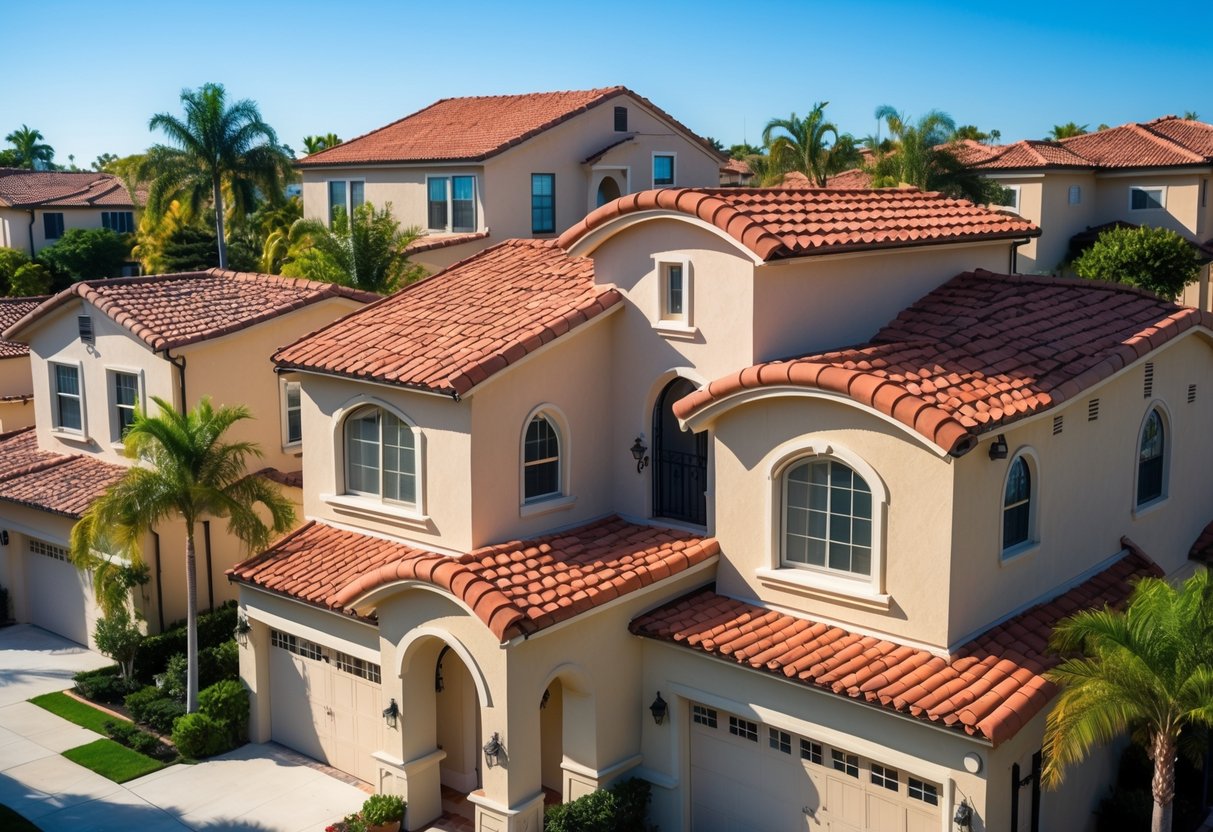
These neighborhoods feature a blend of historic properties and modern updates, so roofing must respect tradition while meeting today’s performance needs. Classic barrel tiles, reclaimed options, and high-quality composites all offer solutions that preserve authenticity while withstanding Southern California’s climate. Choosing the right material ensures a roof that not only looks seamless but also protects the home for decades.
Key Takeaways
- Spanish-style roofs rely on distinctive tile shapes and colors
- Material choice impacts both durability and authenticity
- Proper care and selection preserve historic character
Key Features of Spanish-Style Home Roofs
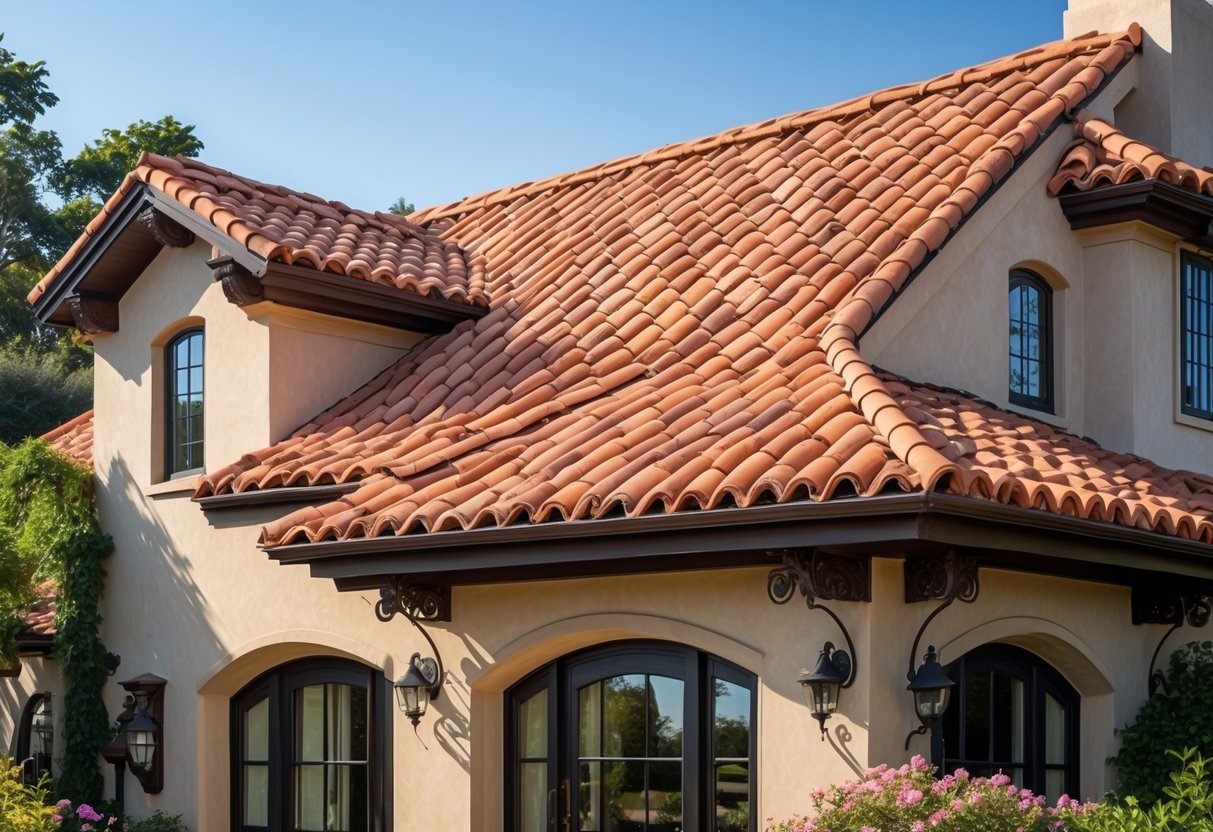
Spanish-style home roofs stand out for their curved shapes, earthy tones, and durable materials that complement Mediterranean-inspired architecture. In Los Angeles neighborhoods like Los Feliz and Highland Park, these roofs also reflect regional climate needs and architectural history.
Traditional Roof Shapes and Profiles
Spanish-style roofs often use low-pitched gable or hip designs. These shapes create broad, simple rooflines that highlight the tile patterns rather than complex angles. The shallow slopes also help the curved tiles interlock securely, forming a distinctive surface.
The most common tile profile is the “S” or barrel tile, which alternates between convex and concave curves. This creates a rhythmic wave pattern across the roof, a hallmark of Spanish Colonial and Mission Revival homes.
Flat clay tiles also appear in some historic houses. While less dramatic, they still provide a traditional appearance and work well with stucco walls. In Los Feliz, many 1920s homes feature these profiles, reflecting the neighborhood’s early adoption of Mediterranean motifs.
Roof overhangs are usually modest, keeping the focus on the tile surface. Combined with arched windows and stucco walls, the roof shape reinforces the classic Spanish silhouette that remains popular throughout Los Angeles.
Signature Materials and Colors
Clay is the most recognized material for Spanish-style roofs. It is valued for its durability, fire resistance, and natural cooling properties. In Los Angeles, where wildfires and heat are concerns, these qualities make clay tiles a practical choice.
Traditional colors include terracotta, burnt orange, and earthy reds. These tones complement the white or cream stucco walls common in Spanish-style homes. In Highland Park, deeper brown and sand-colored tiles also appear, blending with hillside landscapes.
Modern versions sometimes use concrete or lightweight composite tiles. These alternatives mimic the look of clay but reduce weight and cost. They are especially useful for retrofits where older structures cannot support heavy loads.
Color variation within a single roof is also common. Tiles may include subtle shifts in shade, giving the surface a more natural and hand-crafted appearance. This detail enhances curb appeal and reflects the craftsmanship of early Hollywood-era homes.
Climate Adaptability in Los Angeles
Los Angeles weather favors Spanish-style roofs. The curved tiles create small air pockets that improve ventilation and reduce heat transfer, helping interiors stay cooler in summer. This natural insulation lowers reliance on air conditioning, which is valuable in hot climates.
Clay tiles also resist sun damage and hold their color well. Unlike asphalt shingles, they do not warp or fade quickly under constant sunlight. In Los Feliz, where many homes sit on exposed hillsides, this resilience helps maintain long-term curb appeal.
Rainfall is less frequent, but when it comes, the tiles shed water effectively. Their overlapping design prevents leaks while allowing quick drainage. In rare colder conditions, such as light frost in Hollywood Hills, the tiles still perform reliably without cracking when properly installed.
Because of their weight, clay tiles also resist strong winds better than lighter materials. This adds another layer of protection during seasonal Santa Ana winds common across Los Angeles.
Architectural Influences in Los Feliz and HP
Spanish-style roofs in Los Feliz and Highland Park reflect the architectural revival movements of the early 20th century. During this period, developers embraced Mediterranean and Spanish Colonial themes to create a distinct identity for Los Angeles neighborhoods.
In Los Feliz, many homes feature Mission Revival and Spanish Colonial Revival details. Roofs with red clay barrel tiles became a defining element, paired with stucco walls and wrought iron accents. These homes often housed Hollywood actors and creatives, linking the style to the city’s cultural history.
Highland Park shows more variation, with smaller bungalows and duplexes adopting simplified rooflines. Here, Spanish-style tiles blend with Craftsman and Victorian influences, creating a hybrid look unique to the area.
The use of authentic clay tiles in both neighborhoods reinforces a sense of continuity with Southern California’s architectural heritage. Even today, preservation efforts encourage maintaining original roof materials and profiles to protect the historic character of these Los Angeles communities.
Top Roofing Materials for Spanish-Style Homes
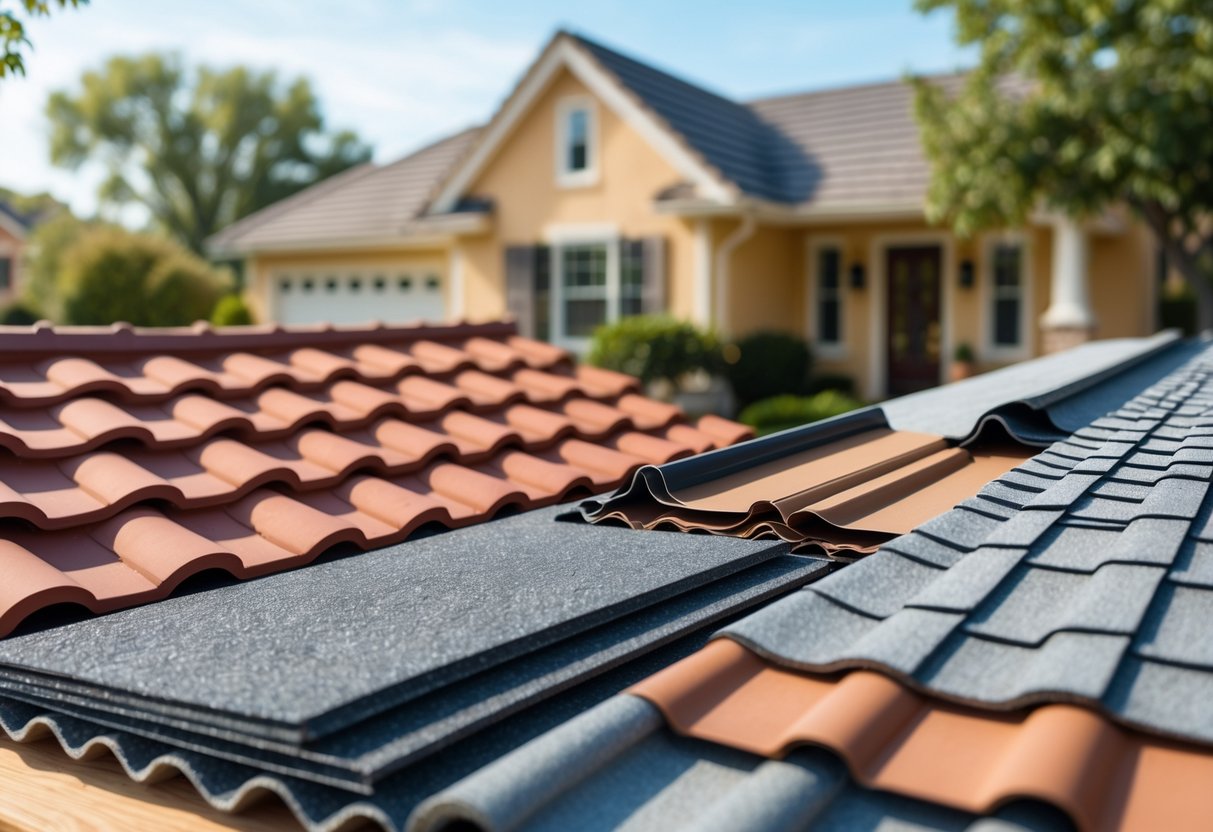
Spanish-style homes rely on roofing that balances appearance, durability, and climate performance. Materials like clay, concrete, synthetic, and metal each offer specific benefits in terms of cost, weight, and long-term upkeep.
Clay Tile Roofing
Clay tiles remain the most traditional choice for Spanish-style architecture. They are common in regions like Santa Barbara, where historic preservation and authentic design matter. The curved profile of barrel tiles creates shadows and texture that define the style.
High-quality clay tiles, such as Redland Clay Tile, offer long lifespans and can be recycled or reinstalled after decades. Petite mission tiles provide a more historic look compared to larger standard tiles.
Clay tiles are heavy, so homes must have strong roof framing. Installation also requires skilled labor. While the upfront cost is higher than other options, clay roofing is valued for its authenticity, durability, and ability to age with character.
Pros:
- Authentic Spanish appearance
- Long lifespan (50–100 years with care)
- Recyclable and repairable
Cons:
- Heavy weight requires reinforced structure
- Higher installation cost
- Fragile under foot traffic
Concrete Tile Roofing
Concrete tiles provide a more affordable alternative to clay while still capturing the look of Spanish design. They can be shaped to mimic barrel tiles and are available in many colors and textures.
Compared to clay, concrete tiles are heavier and may absorb more water, which can add extra load during rainy seasons. However, they are durable and resistant to fire, making them suitable for areas like Los Feliz and Highland Park where safety and longevity are priorities.
Concrete tiles typically last 40–60 years. They require sealing or surface treatments to maintain color and reduce water absorption. For homeowners who want the Spanish look at a lower cost, concrete tiles are a practical option.
Pros:
- Lower cost than clay
- Fire resistant
- Widely available styles
Cons:
- Heavier than clay
- Color may fade without maintenance
- Shorter lifespan than clay
Synthetic Alternatives
Synthetic roofing materials, such as composite or polymer tiles, replicate the look of clay without the weight. Brands like Brava Roof Tile produce lightweight options that mimic barrel or mission tiles.
These tiles are easier to install and reduce the need for structural reinforcement. They are also impact resistant, making them useful in areas with falling debris or heavy storms. Synthetic tiles often come in blended colors to imitate the weathered look of older clay roofs.
While they lack the historic authenticity of true clay, they provide a balance of aesthetics, cost savings, and easier maintenance. Lifespans range from 30–50 years depending on the product.
Pros:
- Lightweight and easy to install
- Lower structural requirements
- Resistant to impact and weathering
Cons:
- Less authentic than clay
- Shorter lifespan
- May cost more than concrete
Metal Roofing Options
Metal roofing designed to resemble Spanish tile offers a modern alternative. Steel or aluminum panels are shaped into curved profiles that mimic clay barrel tiles. These systems are much lighter than real clay and can be installed on most existing structures without reinforcement.
Metal roofs are especially useful in storm-prone or coastal areas, where wind and salt exposure can damage traditional tiles. They resist cracking, are fireproof, and require minimal maintenance.
The finish can be painted or coated to match terracotta tones, though the surface may not fully capture the texture of natural clay. Lifespans often exceed 50 years, with warranties covering color and performance.
Pros:
- Lightweight and durable
- Excellent resistance to wind and fire
- Long lifespan with low maintenance
Cons:
- Less authentic appearance
- Can dent under impact
- Higher upfront cost than concrete or synthetic options
Choosing the Right Roof for Los Feliz and Highland Park
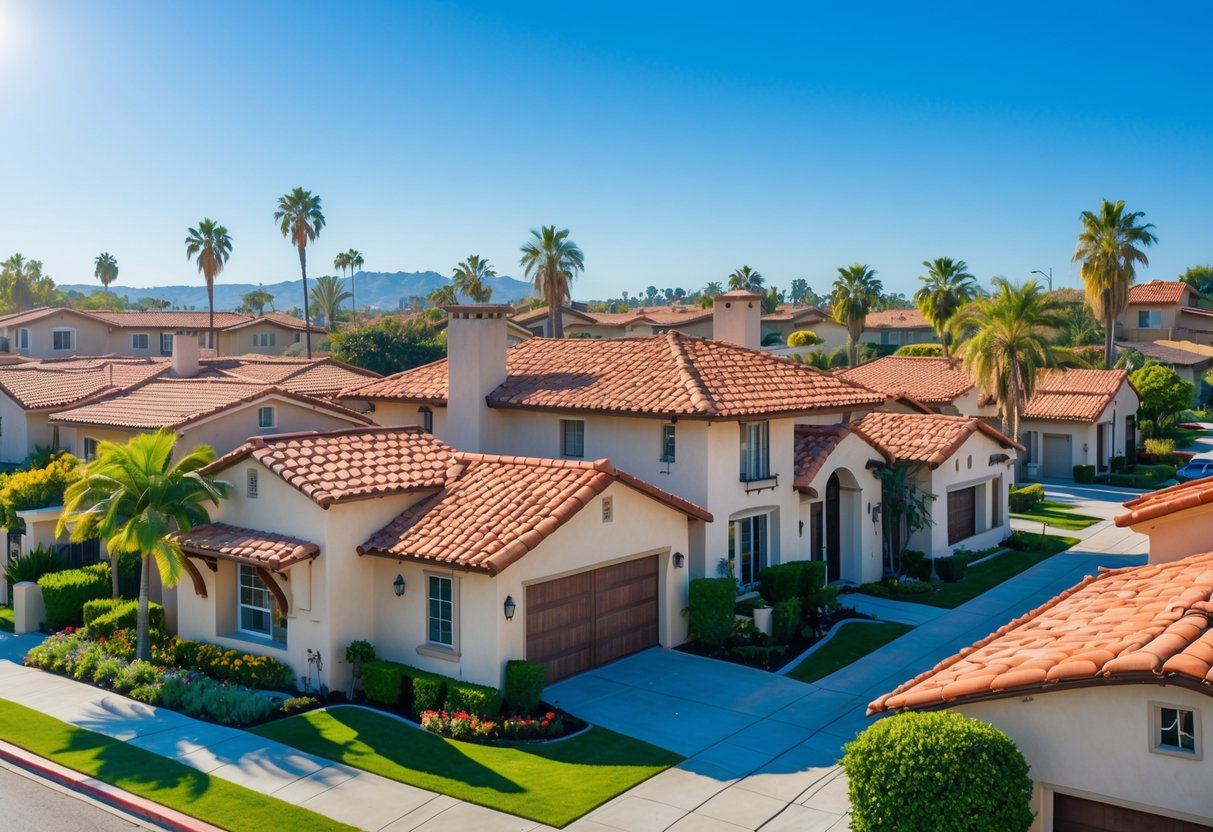
Spanish-style homes in Los Feliz and Highland Park often balance historic charm with modern needs. Roof choices must respect neighborhood character, meet local requirements, and perform well under Los Angeles’ sun, seasonal rains, and occasional high winds.
Neighborhood Aesthetics and Regulations
Los Feliz and Highland Park feature many Spanish Colonial Revival homes with clay tile roofs. These roofs define the look of the area, especially along streets like Broadway where historic preservation is a priority.
Clay and concrete tiles are the most common because they match the original style. Homeowners considering alternatives, such as synthetic tile, often choose products designed to mimic the appearance of traditional clay.
Local guidelines may restrict roof color and material changes, especially in historic preservation zones. Homeowners should review city planning rules before starting. In some cases, approval is required to maintain consistency with neighborhood aesthetics.
Maintaining architectural harmony is important not only for compliance but also for property value. A roof that clashes with surrounding homes can stand out in ways that reduce curb appeal.
Durability and Longevity
The climate in Los Angeles demands roofing that can handle heat, UV exposure, and seasonal storms. Clay tile remains a strong choice, lasting 50 years or more with proper care. Concrete tile offers similar durability at a lower cost but is heavier.
Metal roofing is sometimes used on Spanish-style homes with modern updates. While less traditional, it provides a long lifespan—often 40 to 70 years—and strong resistance to fire and wind.
Asphalt shingles are less common in these neighborhoods, but some homeowners use architectural shingles in muted tones where regulations allow. They are affordable but usually last only 20 to 30 years, which is shorter than tile or metal.
Regular inspections help extend roof life. Even durable materials like clay can crack if walked on, and concrete may chip over decades.
Energy Efficiency Considerations
The hot summers in Los Feliz and Highland Park make energy performance an important factor. Clay and concrete tiles naturally reflect sunlight, which helps keep interiors cooler. Their thermal mass also slows heat transfer into the home.
Metal roofing is another efficient option. Its reflective surface reduces cooling costs, though some homeowners add insulation to limit noise during storms.
Synthetic roofing products can offer additional benefits. Many are designed with UV resistance and lighter weight, making them easier to install while still contributing to energy savings.
Light-colored finishes, sometimes called “cool roofs,” are also available. These surfaces reflect more sunlight than darker tones and may qualify for energy efficiency incentives in Los Angeles.
Architectural Icons and Historic Homes
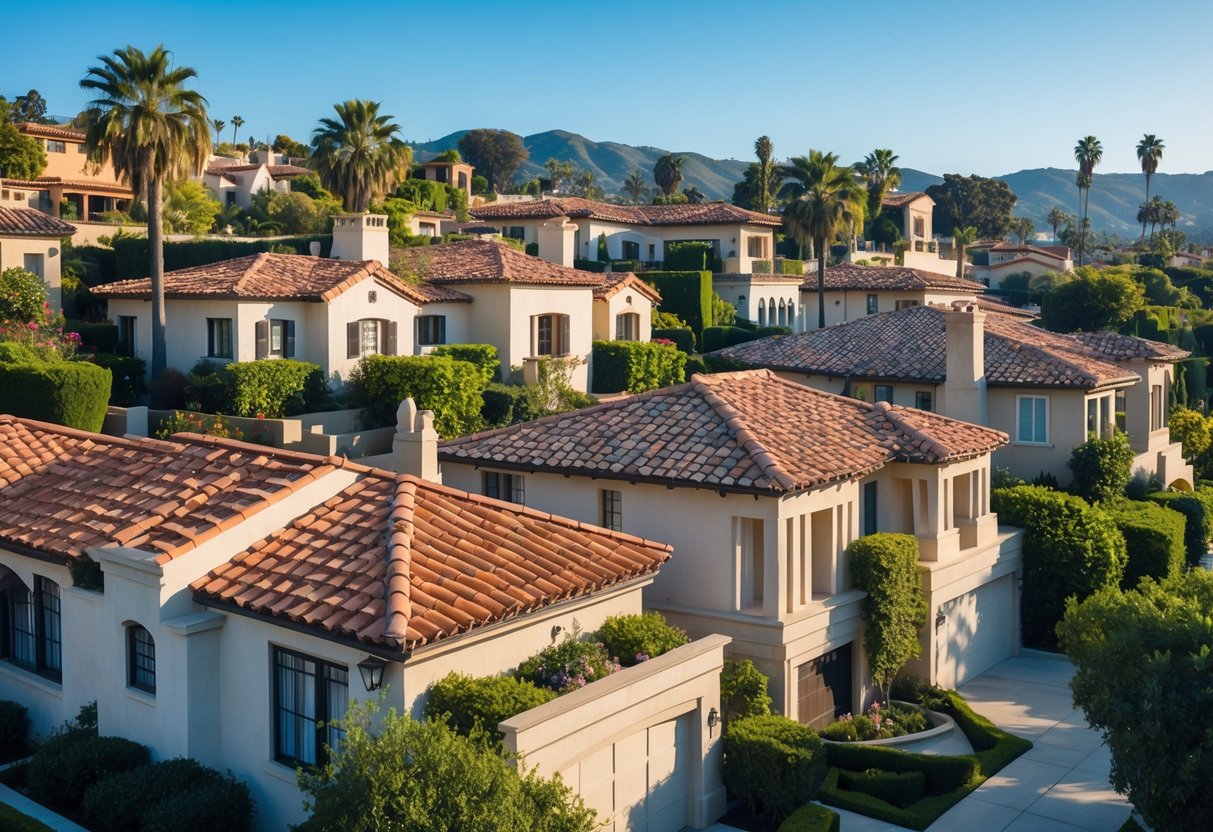
Spanish-style homes in Los Feliz and Highland Park stand alongside some of Los Angeles’ most important architectural landmarks. The area reflects both the influence of world-renowned architects and the preservation of historic residences that define the character of these neighborhoods.
Frank Lloyd Wright’s Influence
Frank Lloyd Wright left a distinct mark on Los Angeles architecture during the early 20th century. While best known for his Prairie and modernist designs, his time in Los Angeles included experimental homes that drew from Mesoamerican and Mediterranean influences.
In Los Feliz, Wright designed the Ennis House (1924), which combines Mayan Revival motifs with elements compatible with Spanish-style homes nearby. Its use of patterned concrete blocks created a textured façade that echoed the craftsmanship found in stucco and tile work.
Wright’s projects in Hollywood and the surrounding hills often balanced dramatic rooflines with the terrain. Though not strictly Spanish in style, his work influenced how architects approached hillside construction, roof design, and integration with the California climate. This broader vision shaped the architectural dialogue in neighborhoods where Spanish Colonial and Revival homes were also flourishing.
Lloyd Wright’s Contributions
Lloyd Wright, Frank Lloyd Wright’s son, carried forward his father’s ideas while developing his own style in Los Angeles. His work included theaters, private homes, and landscape designs that emphasized natural materials and bold geometry.
In Los Feliz, Lloyd Wright designed residences that blended modernist principles with regional influences. His use of wood, stone, and glass allowed homes to connect with their surroundings while still complementing Spanish-style neighbors. Rooflines were often low-pitched or extended, creating shade and visual harmony with traditional clay-tiled roofs nearby.
He also contributed to Hollywood projects, including the Hollywood Bowl’s early band shell designs. These public works reinforced his reputation as a versatile architect who could adapt to both performance spaces and residential neighborhoods. His designs helped shape Los Angeles architecture during a period when Spanish Revival homes were at their peak.
Notable Spanish-Style Residences
Los Feliz and Highland Park feature some of the most recognizable Spanish-style homes in Los Angeles. These residences often display white stucco walls, red clay tile roofs, arched windows, and wrought iron details. Many include courtyards or balconies that extend living space outdoors.
In Los Feliz, hillside estates showcase terracotta roofs that stand out against the green landscape. Some homes incorporate hand-painted tiles on stairways and entryways, adding detail that reflects Spanish Colonial traditions.
Highland Park preserves smaller-scale Spanish Colonial Revival homes built during the 1920s and 1930s. These houses often feature thick stucco walls and modest rooflines, designed for both durability and climate control. Their preservation highlights the neighborhood’s role in maintaining Los Angeles’ architectural heritage.
Together, these homes illustrate how Spanish-style design became a defining feature of residential architecture in Los Angeles, balancing beauty with function in warm Southern California climates.
Maintenance and Preservation of Spanish-Style Roofs
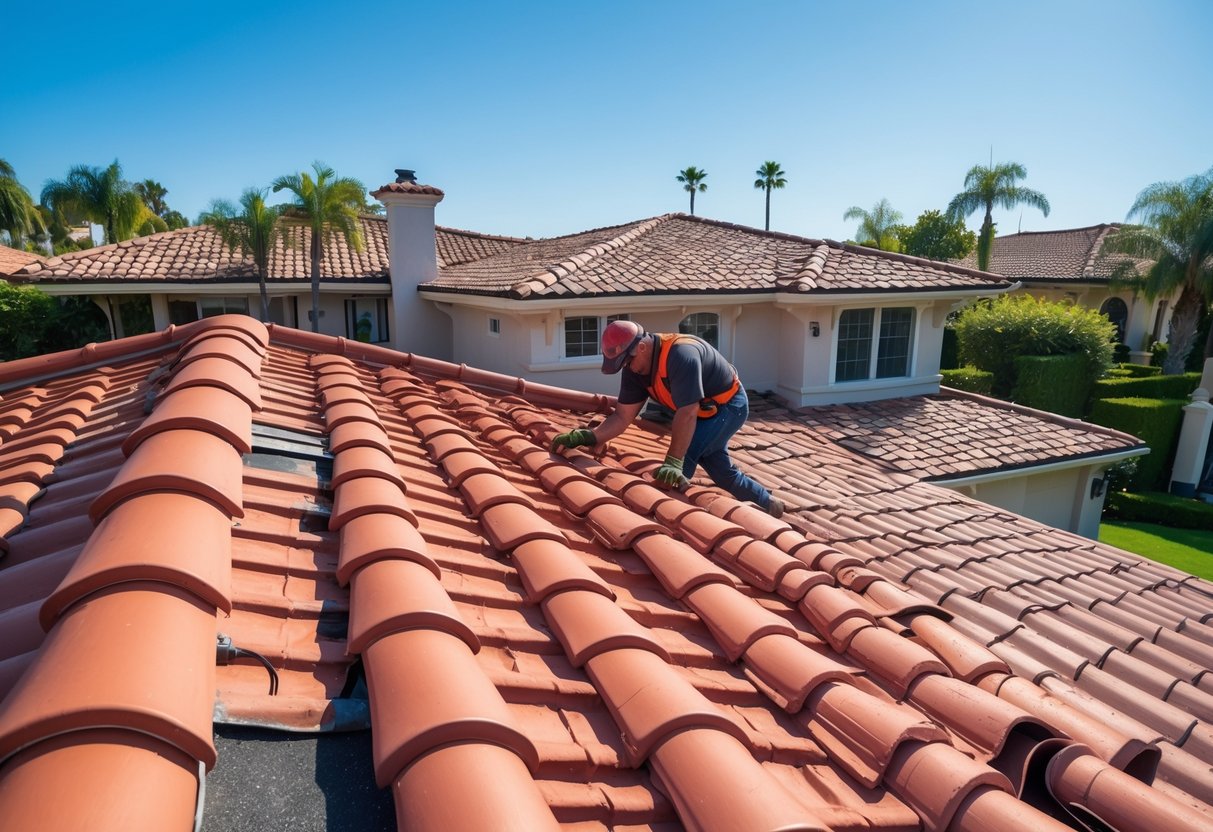
Spanish-style roofs last for decades when cared for with consistent inspections, timely repairs, and respect for their original materials. Protecting these roofs not only extends their lifespan but also helps maintain the architectural character that defines many homes in Los Feliz and Highland Park.
Routine Care and Inspections
Regular inspections help identify small issues before they become costly repairs. Clay and concrete tiles can shift, crack, or break over time, especially after strong winds or seismic activity common in Los Angeles. Annual checks by a roofing professional ensure tiles remain secure and underlayment stays intact.
Homeowners should also clear debris from valleys and gutters. Leaves and dirt can trap moisture, leading to mold or water intrusion. A soft brush or low-pressure rinse works best, as high-pressure spraying may damage tiles.
In addition to yearly inspections, it is wise to schedule extra checks after heavy storms. Even a single displaced tile can expose the roof deck to water damage. Routine care keeps the roof performing well while reducing long-term repair costs.
Repairing Traditional Materials
Clay tiles are durable but not immune to wear. When a tile cracks, it should be replaced promptly to prevent leaks. Matching replacement tiles can be challenging, especially for older homes in Los Feliz where original materials may no longer be produced. Salvage yards and specialty suppliers often carry reclaimed tiles that blend better with existing roofs.
Mortar caps and ridge tiles also need attention. Over time, mortar can deteriorate under sun exposure. Repointing with the right mix keeps these areas watertight. Using incompatible materials may cause premature failure, so professionals familiar with Spanish-style construction are recommended.
It is also important to check the underlayment beneath the tiles. While tiles provide the first layer of defense, the underlayment is what ultimately keeps water out. Replacing worn underlayment during repairs prevents hidden leaks from spreading.
Preserving Historic Character
Many Spanish-style homes in Highland Park and Los Feliz are valued for their architectural heritage. Preserving the original look of the roof is just as important as maintaining its function. Using authentic clay tiles instead of synthetic alternatives helps retain the historic character of these properties.
Color consistency matters as well. Traditional clay tiles often have natural variations that give roofs their distinctive appearance. When repairs are needed, sourcing tiles with similar tones helps maintain visual continuity.
In some cases, homeowners may need approval from local preservation boards before making changes. Following these guidelines not only protects the home’s historical integrity but also supports property values in neighborhoods known for their Spanish Revival architecture.
Frequently Asked Questions
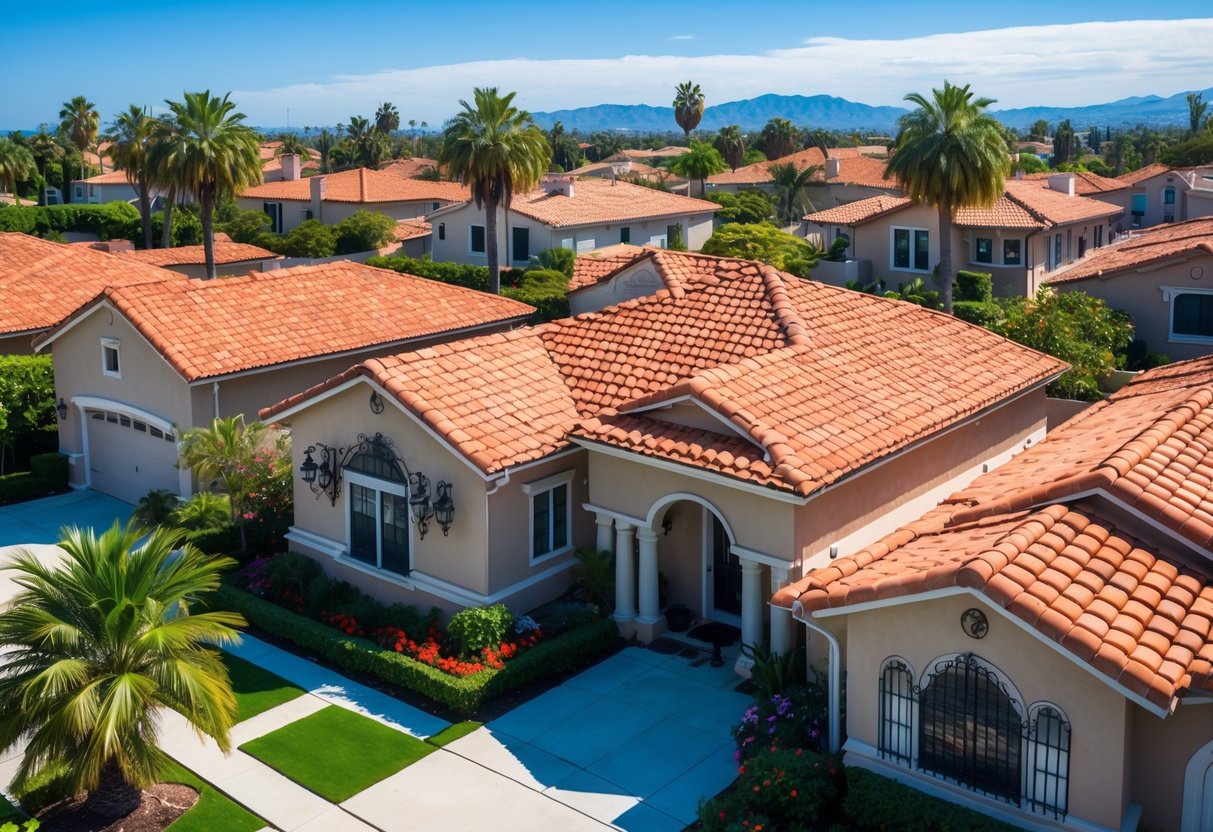
Spanish-style homes in Los Feliz and Highland Park often use tile roofs that balance tradition with function. The right material depends on climate, structural needs, and how much upkeep the homeowner is prepared to manage.
What are the most authentic roofing materials for Spanish-style homes?
Clay barrel tiles are the most traditional choice. They have been used for centuries and give homes the classic red or terracotta look. Concrete tiles are also common, offering a similar appearance with added strength at a lower cost.
How does climate affect the choice of roofing materials for homes in Los Feliz and Highland Park?
Los Feliz and Highland Park experience hot summers and mild winters. Clay and concrete tiles work well in this climate because they resist heat and help keep interiors cooler. Light-colored or reflective tiles can further reduce heat absorption.
What are the long-term maintenance considerations for traditional Spanish-style roofing?
Clay tiles can last over 50 years but may crack if struck by falling branches or debris. Regular inspections help identify damaged tiles early. Replacing individual tiles is usually enough to maintain the roof without full replacement.
Are there modern roofing materials that mimic the look of classic Spanish tile roofs?
Yes. Synthetic tiles made from composites or recycled materials replicate the shape and color of clay. Metal tiles are another option, designed to resemble curved Spanish tiles while being lighter and easier to install.
What roofing options offer the best durability for Spanish-style homes in earthquake-prone areas?
Lightweight materials, such as synthetic or metal tiles, reduce stress on the structure during seismic activity. These options are less likely to cause damage if they shift or fall. Reinforced framing and secure fastening also improve safety.
How can I ensure proper drainage with a Spanish-style roof in an area with heavy rainfall?
Proper underlayment and slope design are critical for drainage. Gutters and downspouts should be kept clear to prevent water buildup. Regular checks for cracked or displaced tiles will help avoid leaks and water damage.