

Keeping a home cool in Los Angeles takes more than running the air conditioner. When heat builds up in the attic, the AC system works harder and runs longer, which drives up energy bills. Proper roof ventilation lowers AC costs by letting hot air escape and reducing the strain on cooling systems.
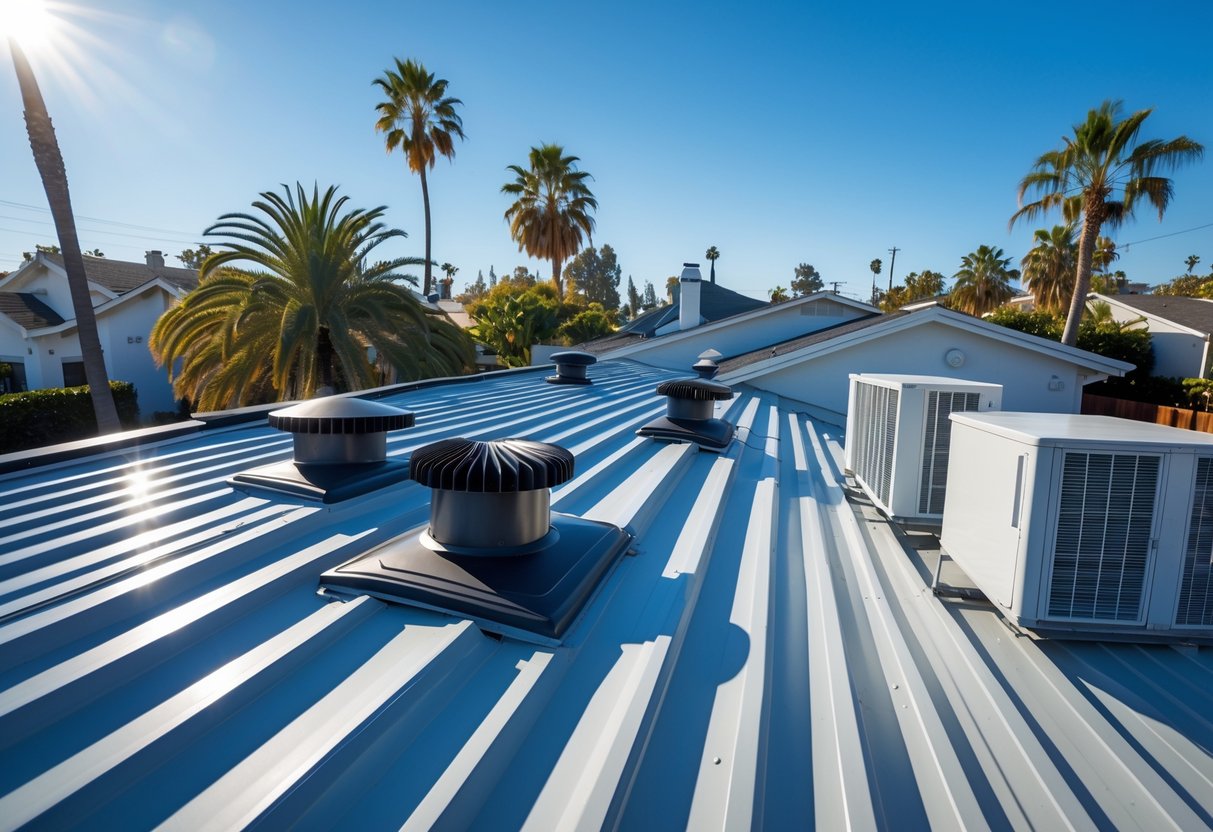
In a city where long summers and high temperatures are common, this simple change makes a clear difference. Ventilation balances airflow, prevents trapped heat, and helps keep indoor spaces more comfortable without overusing electricity. It also protects the roof by reducing moisture and heat damage, which adds long-term value to the home.
With the right system in place, homeowners can enjoy lower bills, better comfort, and a longer-lasting roof. Understanding how ventilation works and choosing the right setup for Los Angeles conditions is the first step toward lasting savings.
Key Takeaways
- Roof ventilation reduces cooling costs by lowering attic heat
- Proper airflow improves comfort and protects roof health
- Choosing the right system provides long-term savings and value
How Roof Ventilation Directly Lowers AC Bills in Los Angeles
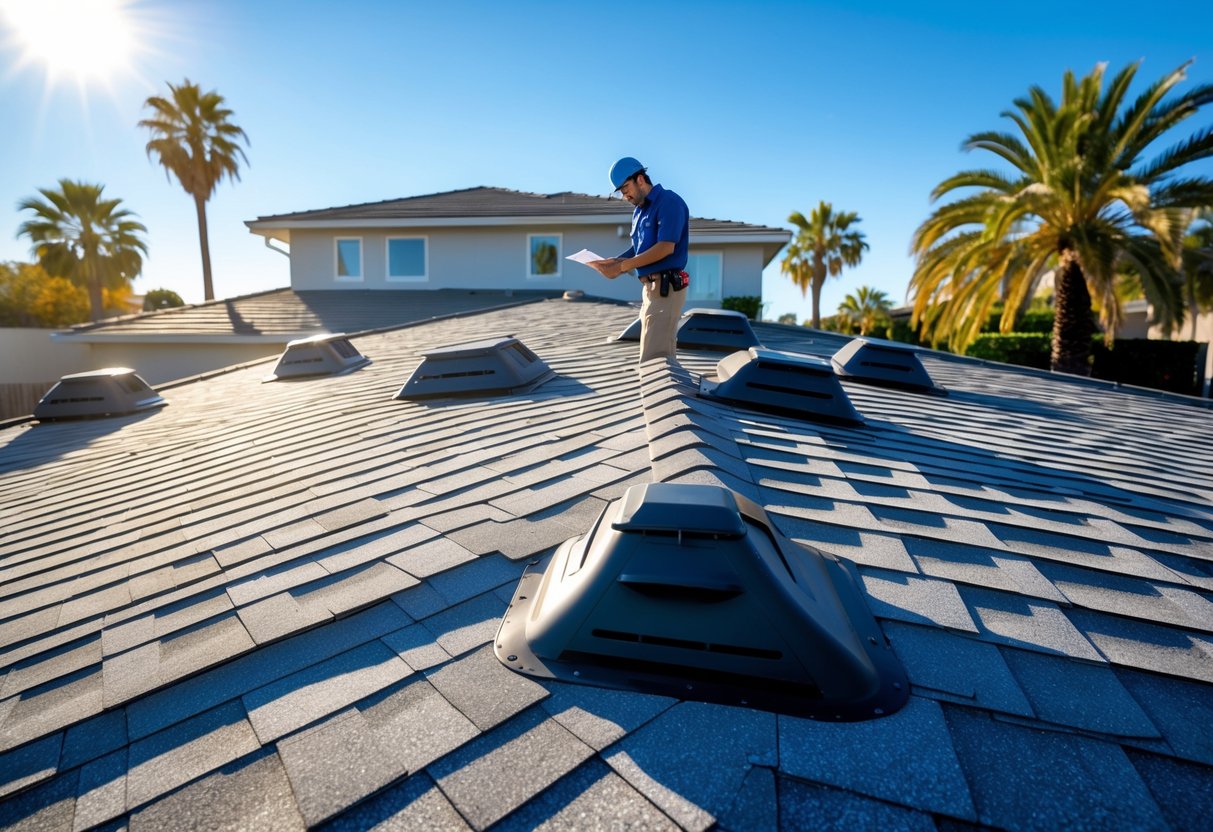
In Los Angeles, hot summers and long periods of dry weather make cooling costs a major concern. Proper roof ventilation helps control attic temperatures, reduces the strain on air conditioning, and improves overall energy efficiency in the home.
Reducing Heat Buildup in Attics
Attics in Los Angeles can reach extreme temperatures when hot air becomes trapped. Without ventilation, this heat radiates downward into living spaces, forcing the HVAC system to work harder.
Roof ventilation allows hot air to escape through vents while drawing in cooler outside air. This steady airflow keeps attic temperatures closer to the outdoor average.
By limiting heat buildup, homeowners prevent excessive indoor warming. This reduces the need for constant cooling cycles and prevents roof materials from deteriorating due to prolonged heat exposure.
Key effects of reduced attic heat:
- Lower indoor temperatures
- Less stress on insulation and roofing materials
- Reduced cooling demand on the HVAC system
Minimizing Air Conditioning Usage
When attic ventilation balances airflow, the air conditioning system does not need to run as often. This is especially important in Los Angeles, where long hours of sun can push AC units to run nearly nonstop.
With cooler attic conditions, the HVAC system cycles on less frequently. Shorter run times translate into lower energy bills since air conditioning is one of the largest energy expenses in the home.
Reduced usage also extends the lifespan of the AC unit. Less wear and tear means fewer repairs and replacements, which adds to long-term energy savings.
Benefits of reduced AC use include:
- Lower monthly energy costs
- Improved indoor comfort
- Longer service life for HVAC equipment
Improving Energy Efficiency
Roof ventilation supports energy efficiency by stabilizing indoor temperatures and reducing the load on the air conditioning system. Consistent airflow prevents hot spots in the attic, which helps insulation perform more effectively.
A well-ventilated roof also reduces humidity buildup. Moisture control keeps insulation dry and effective, which further improves energy performance.
In Los Angeles, where cooling demands are high, even small improvements in efficiency can create noticeable savings. Homeowners often see reduced energy bills while maintaining a more comfortable living environment.
Energy efficiency gains from proper ventilation:
- Steady indoor climate
- Lower energy consumption
- Better performance from insulation and HVAC systems
The Science of Airflow and Temperature Control
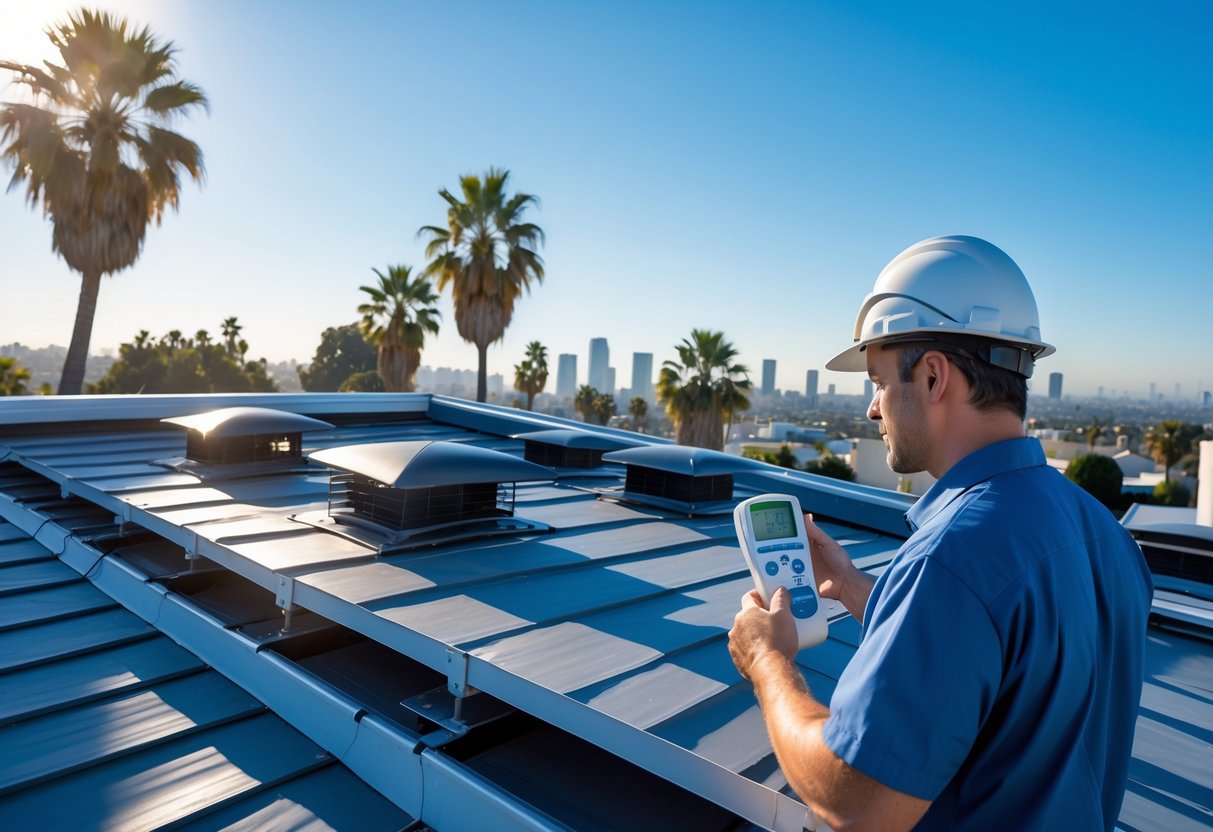
Roof ventilation works by moving air through the attic space to balance temperature and humidity. This process reduces heat buildup, limits strain on cooling systems, and helps protect the roof system from long-term damage.
Role of Airflow in Cooling
Airflow allows hot air to escape from the attic while drawing in cooler outside air. In Los Angeles, where summers bring extended heat, this exchange keeps attic temperatures closer to the outdoor level instead of letting them climb far higher.
When airflow is restricted, trapped heat radiates downward into living areas. This forces air conditioners to run longer and consume more energy. By improving circulation, the roof system reduces cooling demand and lowers electricity costs.
A balanced system often uses intake vents at the eaves and exhaust vents at the ridge. This design creates steady movement of air across the attic. Proper installation ensures that air does not stagnate in corners, which could otherwise lead to uneven temperatures and wasted energy.
Impact on Indoor Air Quality
Ventilation affects more than temperature. It also influences the quality of air inside a home. When attics trap heat and pollutants, those particles can move into living spaces.
Consistent airflow helps remove stale air, dust, and small contaminants before they spread indoors. This supports cleaner breathing conditions and reduces the chance of odors lingering in the home.
A well-ventilated roof system also helps the HVAC system work more efficiently. By keeping attic conditions stable, the system avoids recirculating overly warm or humid air, which can otherwise reduce comfort levels.
Preventing Moisture and Mold
Moisture buildup often starts in the attic when warm indoor air meets cooler roof surfaces. Without ventilation, condensation can form on wood, insulation, and other materials. Over time, this may weaken the roof system and create conditions for mold growth.
Steady airflow lowers humidity levels and keeps surfaces dry. This protection is especially important in coastal areas of Los Angeles, where damp air can enter homes during cooler months.
By controlling moisture, ventilation not only prevents structural damage but also limits health risks tied to mold spores. A dry attic environment extends the life of roofing materials and reduces the need for costly repairs.
Types of Roof Ventilation Systems for LA Homes
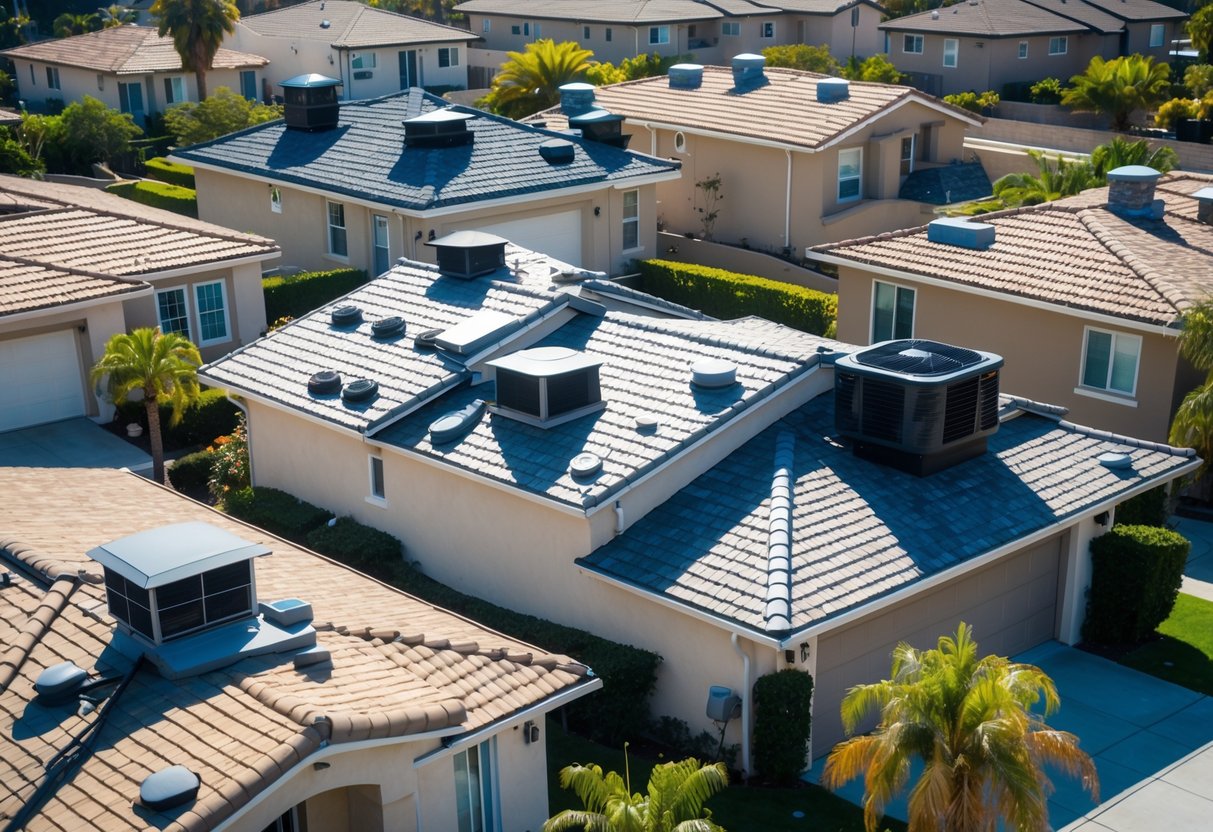
Different roof ventilation systems balance airflow by letting hot air escape and drawing cooler air inside. Each option works best when matched to the home’s design, attic size, and climate conditions in Los Angeles.
Ridge Vents and Soffit Vents
Ridge vents run along the peak of the roof and allow warm air to exit evenly across the attic. They blend into the roofline, making them less noticeable than other vent types. When paired with soffit vents, they create a steady flow of air from the lowest to the highest point.
Soffit vents sit under the eaves and bring in cooler outside air. This intake is essential because ridge vents alone cannot move air without a proper source of incoming airflow. Together, they form a balanced system that reduces attic heat buildup.
This combination works well in Los Angeles because it handles both heat and moisture. Homeowners benefit from lower cooling costs and less strain on roofing materials during long, hot summers.
Key points:
- Ridge vents = exhaust
- Soffit vents = intake
- Work best when installed together
Gable Vents and Intake Vents
Gable vents are installed on the exterior walls near the roof peak. They allow hot air to escape but rely heavily on wind direction to be effective. In still air, they may not provide enough airflow compared to ridge systems.
Intake vents, such as continuous soffit vents or smaller individual units, provide the fresh air needed to keep circulation moving. Without intake, attic ventilation becomes unbalanced and less efficient.
For homes in Los Angeles with gable-style roofs, these vents can be a cost-friendly option. They may not cool as evenly as ridge and soffit systems, but they still help reduce attic heat and support air exchange.
Pros:
- Lower installation cost
- Simple design
- Works with many roof styles
Exhaust Vents and Roof Vents
Exhaust vents remove hot air from the attic and come in several forms, including box vents, turbine vents, and powered fans. Each style has different airflow capacity and installation needs.
Box vents are static and rely on natural airflow, while turbine vents spin with the wind to pull out more air. Powered roof vents use electricity or solar energy to actively force hot air out.
Los Angeles homes often benefit from exhaust vents when ridge venting is not possible. These vents can be installed in specific areas of the roof to target hotspots. However, they must be paired with intake vents to avoid negative pressure that could draw conditioned air out of the living space.
Types of exhaust vents:
- Box vents (simple, passive)
- Turbine vents (wind-driven)
- Powered vents (electric or solar)
Long-Term Benefits: Roof Lifespan and Home Value
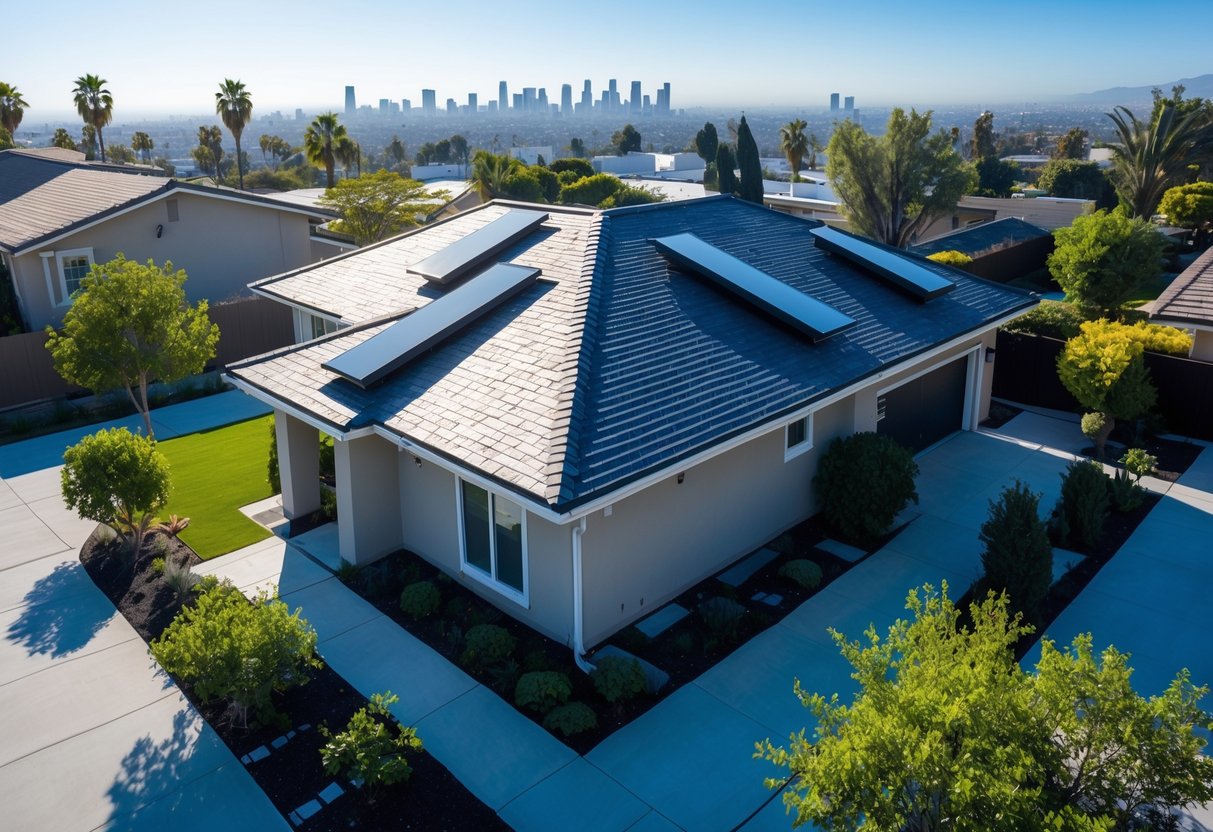
Proper roof ventilation reduces heat buildup, limits moisture damage, and supports better energy performance. These factors not only extend the life of roofing materials but also add measurable value to a home by improving efficiency and lowering future maintenance costs.
Extending Roof Lifespan
A roof exposed to trapped heat and moisture will wear out faster. In Los Angeles, hot summers can push attic temperatures well above 120°F, which stresses shingles and underlayment. Ventilation helps release this heat, lowering surface temperatures and reducing the strain on roofing materials.
Moisture is another concern. Without steady airflow, condensation can form in the attic, leading to rot in wooden supports and corrosion in metal fasteners. Over time, this weakens the structure and shortens the roof’s usable life.
By balancing intake and exhaust vents, homeowners can slow the aging process of their roof. This means fewer premature repairs, less risk of leaks, and a longer period before a full replacement becomes necessary.
Protecting Roofing Materials
Different roofing materials respond to heat and moisture in specific ways. Asphalt shingles can curl and crack when exposed to extreme attic temperatures. Clay tiles may last longer, but the underlayment beneath them deteriorates more quickly without ventilation.
Proper airflow reduces these risks by stabilizing temperature and humidity levels. This protection keeps shingles flexible, prevents tile underlayment from breaking down, and reduces the chance of mold growth on wood decking.
A well-ventilated system also helps insulation stay dry. Wet insulation loses effectiveness, which forces the AC to work harder and adds stress to the roof. Keeping insulation dry preserves both energy performance and the surrounding roofing structure.
Boosting Energy-Efficient Home Value
Homebuyers in Los Angeles often look for energy-efficient homes that promise lower utility costs. A roof with proper ventilation supports this by keeping attic spaces cooler, which reduces the load on air conditioning systems.
This efficiency translates into long-term savings, making the property more attractive on the market. Buyers see reduced cooling bills and fewer roofing issues as clear advantages.
In addition, homes with proven energy-saving features often qualify for better resale prices. A ventilated roofing system strengthens the case for efficiency, durability, and lower maintenance, all of which add to overall home value.
Choosing and Maintaining the Right Ventilation System
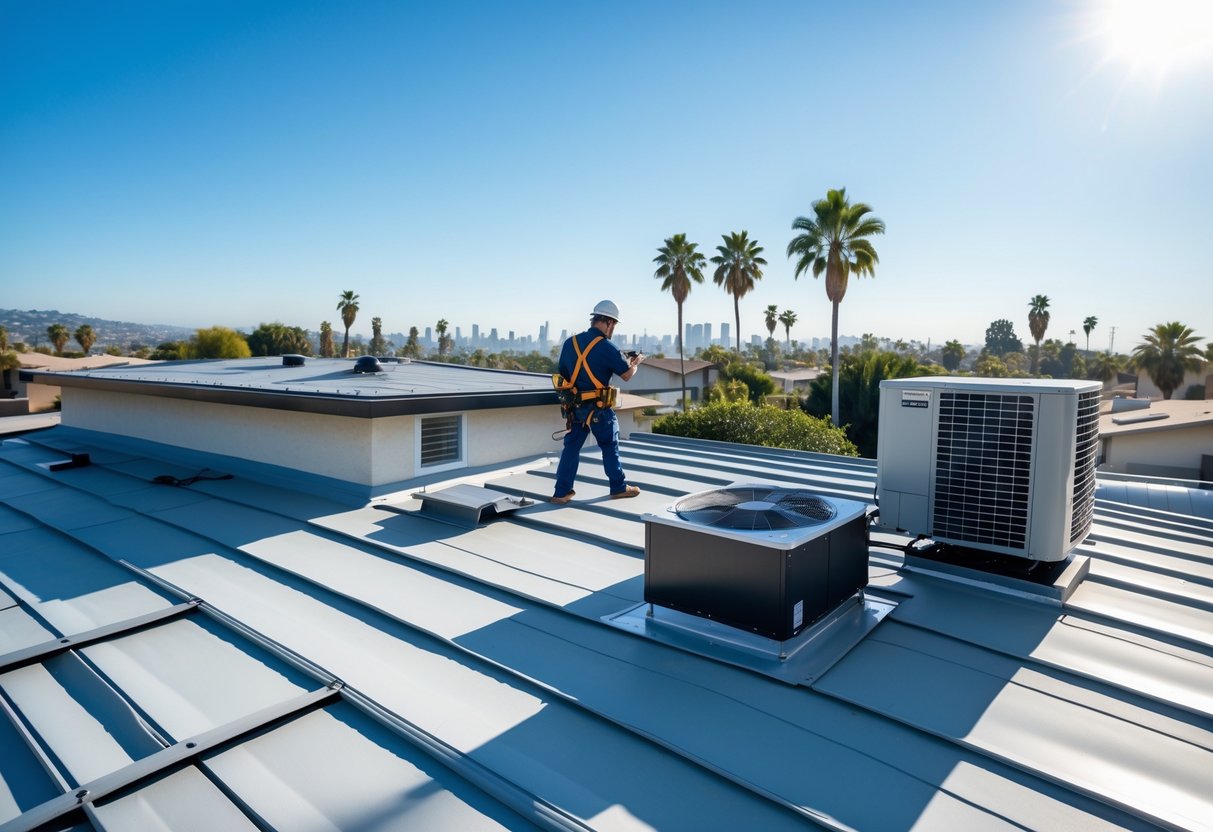
Selecting the right ventilation system depends on the roof design, local climate, and the type of roofing materials in place. Proper installation and regular upkeep keep airflow steady, lower cooling costs, and extend the life of the roof system.
Working with a Roofing Contractor
A roofing contractor helps homeowners choose a system that fits their roof structure and budget. In Los Angeles, where summers are hot, contractors often recommend ridge vents, soffit vents, or powered attic fans to improve airflow.
Contractors also assess attic size, insulation levels, and existing roofing materials before recommending a solution. This prevents mismatched systems that could trap heat instead of removing it.
When hiring, it’s best to look for licensed contractors with experience in ventilation installation. Asking for references, checking local reviews, and confirming warranty details ensures reliable work.
Key points to ask a contractor about:
- Type of vent best for the roof system
- Placement for balanced intake and exhaust
- Energy efficiency benefits
- Cost of installation and long-term savings
Maintenance Tips for Maximum Efficiency
Even a well-installed system fails if it’s not maintained. Homeowners should inspect vents at least twice a year, especially before summer and winter.
Common tasks include clearing leaves, dirt, or bird nests that block airflow. Soffit vents often clog with dust, while ridge vents can collect debris over time. A blocked vent forces the air conditioner to work harder.
Moisture control is also important. Checking for damp insulation or rust near vents helps catch problems early. If condensation appears, airflow may be restricted.
Simple maintenance checklist:
- Clean vent openings with a soft brush or vacuum.
- Check attic insulation for damp spots.
- Look for cracks or damage in vent covers.
- Make sure intake and exhaust vents remain balanced.
Signs of Poor Ventilation
Poor ventilation shows up in both the attic and inside the home. In summer, homeowners may notice higher cooling bills, hot spots in upstairs rooms, or an attic that feels unbearably warm.
Moisture problems are another warning sign. Mold growth, musty odors, or water stains on insulation often mean air is not circulating properly.
On the roof itself, shingles that curl or age faster than expected can point to trapped heat. In winter, ice dams may form along the roof edge, though this is less common in Los Angeles.
If these issues appear, it usually means the ventilation system needs repair, replacement, or professional inspection.
Special Considerations for Los Angeles Climate
Los Angeles homes face long periods of high heat, dry air, and occasional winter rains. Roof ventilation must handle both the intense summer attic temperatures and the risk of trapped moisture that can shorten roof life or create structural problems.
Addressing Summer Heat
During summer, attic spaces in Los Angeles can reach temperatures well above 120°F. Without proper roof ventilation, this heat buildup transfers into living areas and forces air conditioners to run longer.
A balanced system of intake vents (such as soffit vents) and exhaust vents (like ridge or box vents) helps move hot air out. This steady airflow lowers attic temperatures and reduces the cooling load on the HVAC system.
Homes with HVAC units in the attic benefit even more. Lower attic temperatures prevent the system from working in extreme conditions, which improves efficiency and extends equipment life.
In neighborhoods with limited shade, reflective roofing materials paired with ventilation provide added relief by reducing the amount of heat that enters the attic in the first place.
Preventing Ice Dams and Moisture Issues
Although Los Angeles rarely experiences heavy snow, homes in surrounding foothills and higher elevations can still face ice dams during cold snaps. Ice dams form when warm attic air melts roof snow, which then refreezes at the edges. Proper roof ventilation keeps attic temperatures closer to outside conditions, reducing this risk.
Moisture is a more common issue. Even in a dry climate, everyday activities like cooking and bathing release water vapor that can reach the attic. Poor ventilation traps this moisture, leading to mold, wood rot, or insulation damage.
By maintaining steady airflow, roof ventilation helps remove excess humidity before it condenses. This protects roof decking, shingles, and structural framing, while also supporting healthier indoor air quality.
Frequently Asked Questions
Proper roof ventilation helps regulate attic temperatures, reduces strain on cooling systems, and prevents moisture buildup. In Los Angeles, where hot summers drive up AC use, ventilation plays a direct role in lowering energy costs and improving indoor comfort.
What are the benefits of proper roof ventilation for home cooling efficiency?
Roof ventilation keeps hot air from building up in the attic, which lowers the temperature inside the home. This reduces how often the air conditioner needs to run. It also helps protect the roof from heat damage and moisture issues.
How does roof ventilation impact energy consumption in air conditioning systems?
When attic heat is released through vents, the air conditioner does not have to work as hard to cool the home. This lowers electricity use and reduces wear on the system. The result is less energy consumption and fewer maintenance needs over time.
Can installing roof vents reduce the cost of air conditioning in Los Angeles homes?
Yes. By letting hot air escape, vents reduce indoor heat load, which means the AC runs less often. In Los Angeles, where cooling demand is high during summer, this can lead to noticeable savings on monthly energy bills.
What types of roof ventilation systems are most effective for lowering AC bills?
Ridge vents and soffit vents work well together because they allow continuous airflow from the bottom to the top of the roof. Gable vents and powered attic fans can also help, but passive systems often provide steady results with less maintenance.
How does the Los Angeles climate affect the performance of roof ventilation in regulating indoor temperatures?
Los Angeles has long, hot summers with strong sun exposure, which makes attic heat buildup a major concern. Proper ventilation allows this excess heat to escape, keeping indoor spaces cooler. Mild winters mean ventilation also helps prevent moisture buildup without significant heat loss.
What are the best practices for maintaining roof ventilation to ensure maximum AC bill savings?
Homeowners should check vents for blockages from dust, insulation, or debris. Keeping soffit vents clear and ensuring ridge vents remain unobstructed improves airflow. Regular inspections by a roofing professional can confirm that the system is working as intended.