

Metal roofing often raises questions about noise, fire safety, and energy use, especially in a city like Los Angeles where climate and safety matter. Many assume rain will sound louder, that metal attracts lightning or increases fire risk, or that it traps heat in the summer sun. In reality, modern metal roofs are quiet, fire-resistant, and energy-efficient when installed correctly.
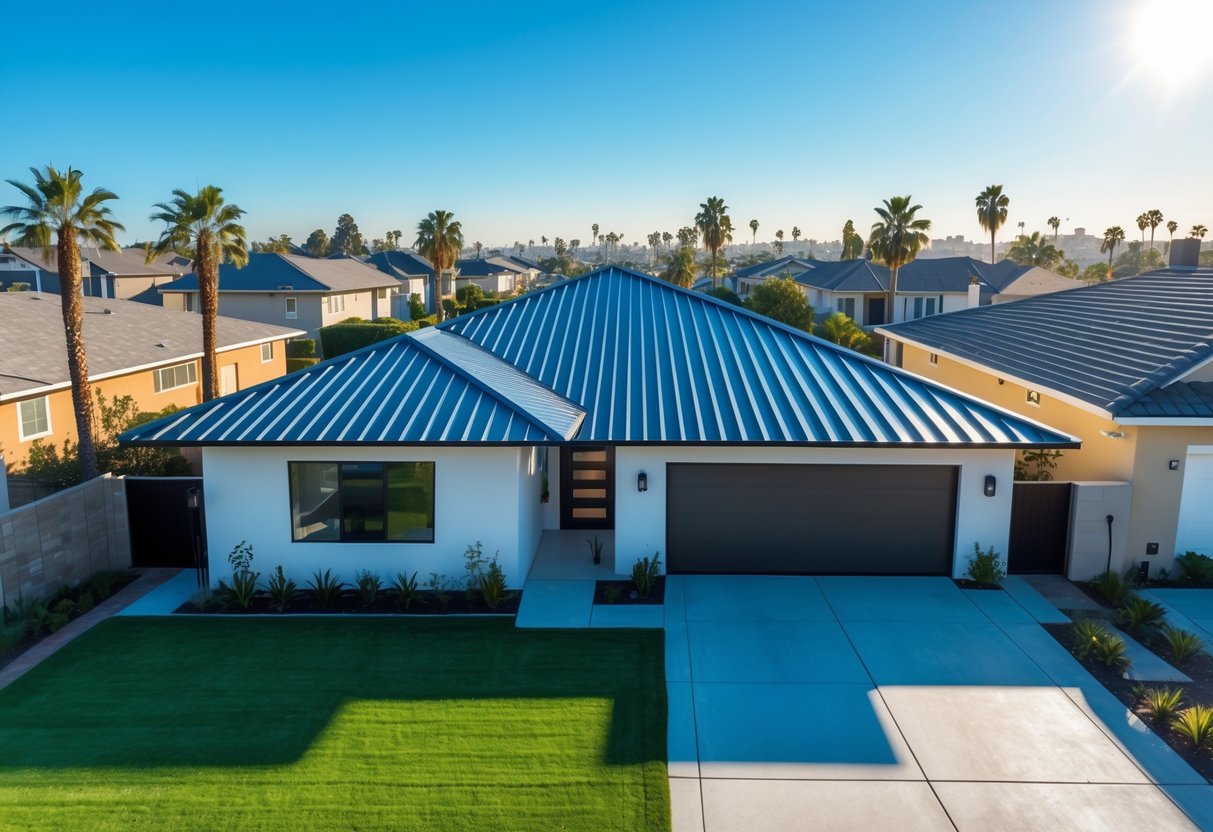
These roofs use layers of insulation and underlayment that reduce sound, making them no louder than traditional shingles. Their non-combustible surface also provides strong protection against fire hazards, an important factor in areas prone to wildfires. On top of that, reflective coatings help limit heat absorption, which can lower cooling costs during hot LA summers.
By clearing up these common misconceptions, homeowners can make more confident choices about roofing. Understanding what metal roofing actually offers—quiet performance, proven fire resistance, and energy savings—shifts the conversation from worry to long-term value.
Key Takeaways
- Metal roofing offers quiet performance and fire safety
- Proper installation supports energy efficiency and durability
- Clearing up myths helps homeowners make informed decisions
Understanding Metal Roofing in LA
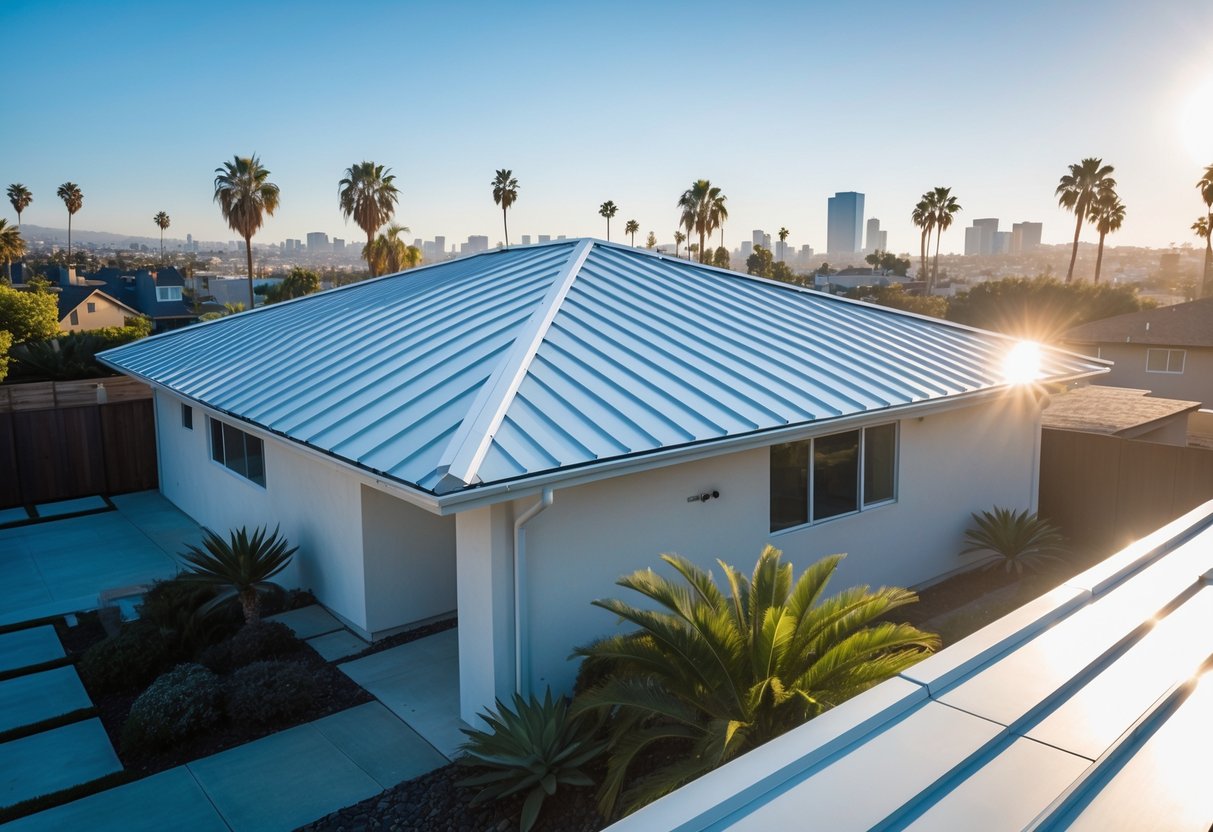
Metal roofing in Los Angeles is shaped by the region’s climate, building codes, and homeowner needs. Factors like fire resistance, energy efficiency, and long-term durability make it an appealing alternative to traditional roofing materials.
Types of Metal Roofs Used in Los Angeles
Homeowners in Los Angeles often choose between steel, aluminum, copper, and zinc roofing. Each material offers distinct benefits, and the choice usually depends on cost, appearance, and performance.
- Steel: Widely available, strong, and often coated to resist rust.
- Aluminum: Lightweight and corrosion-resistant, making it suitable for coastal areas.
- Copper: Expensive but long-lasting, with a natural patina that develops over time.
- Zinc: Durable and low-maintenance, though less common due to higher cost.
Most installations use standing seam panels or metal shingles. Standing seam roofs provide a sleek, modern look with raised seams that lock panels together for extra protection. Metal shingles mimic the style of traditional roofing but with the added strength of metal.
These roofing materials are also designed to meet California’s strict fire codes, which is critical in wildfire-prone areas. Their non-combustible nature makes them a safer choice compared to wood or untreated shingles.
Comparison with Asphalt Shingles and Other Roofing Materials
Asphalt shingles remain the most common roofing material in Los Angeles due to lower upfront costs. However, they typically last 15–25 years, while metal roofs can last 40–70 years with proper installation.
Comparison Table
| Feature | Metal Roofing | Asphalt Shingles | Tile Roofing |
|---|---|---|---|
| Lifespan | 40–70 years | 15–25 years | 50+ years |
| Fire Resistance | Excellent (Class A) | Good–Moderate | Excellent |
| Weight | Light | Moderate | Heavy |
| Maintenance | Low | Moderate | Moderate–High |
| Cost (initial) | Higher | Lower | Higher |
Unlike asphalt, metal roofing reflects sunlight, which can reduce cooling costs in hot summers. Tile roofs also perform well in heat but are heavier and may require structural reinforcement. For homeowners seeking longevity and lower long-term costs, metal roofing often provides better value.
Durability and Longevity in Southern California Climates
Southern California’s climate presents unique challenges such as intense sun, seasonal wildfires, and occasional heavy rain. Metal roofing performs well under these conditions because it resists cracking, warping, and rot that can affect asphalt shingles.
Metal roofs are designed to withstand high winds and impacts from debris. Many products carry Class 4 impact ratings, meaning they can resist hail damage better than asphalt shingles. While hail is less common in Los Angeles, this rating provides reassurance for extreme weather events.
Heat exposure is another concern. Asphalt shingles can deteriorate faster under prolonged sunlight, leading to curling and loss of granules. Metal roofing reflects solar radiation, which helps extend the life of the roof while keeping attic spaces cooler.
In wildfire-prone areas, the non-combustible nature of metal roofing provides an added layer of safety. Unlike wood or untreated shingles, it does not ignite from airborne embers. This makes it a practical choice for meeting both durability and fire safety needs in Los Angeles.
Debunking Noise Myths About Metal Roofs
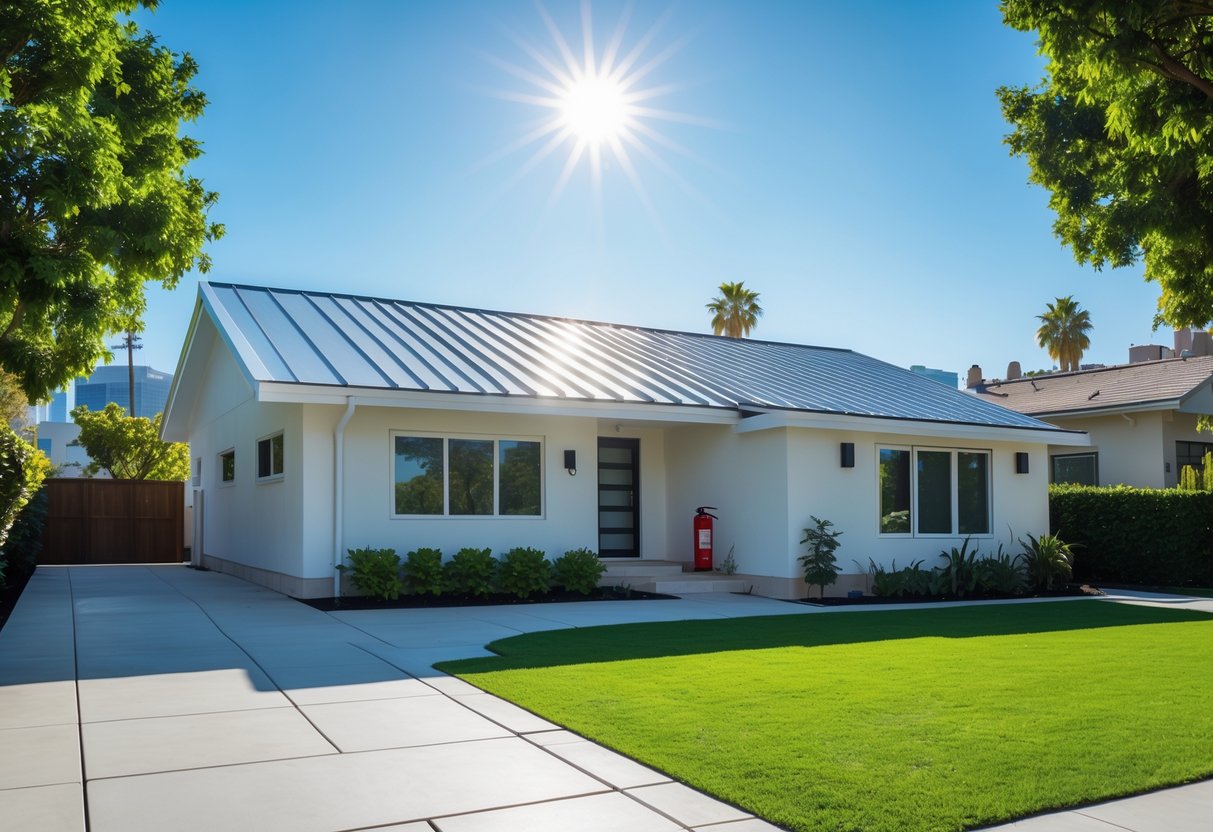
Many people assume that metal roofs are much louder than other roofing options, especially during storms. In reality, the way the roof is built, insulated, and installed determines how much sound enters the home.
Noise Levels During Rain and Hail
Rain and hail hitting a bare sheet of metal can sound sharp and echoing. However, modern metal roofs are not installed this way. They are placed over solid decking and multiple layers that absorb sound.
When compared to asphalt shingles, properly installed metal roofs show no significant difference in indoor noise levels. Studies and field experience confirm that the impact of rain or hail is reduced once the roof is supported by decking and sealed with underlayment.
The type of storm also matters. A light drizzle produces a soft tapping sound, while hail can create heavier impacts. Even then, the sound is usually no louder than on other roofing materials when the roof is built correctly.
Role of Insulation and Underlayment
Insulation and underlayment play the most important role in sound control. A high-quality underlayment acts like a cushion between the metal panels and the roof deck, absorbing vibrations from rain or hail.
Attic insulation further reduces noise by blocking sound transfer into living areas. Fiberglass, spray foam, or cellulose insulation all provide effective noise reduction when installed at the right thickness.
Roofing contractors often recommend pairing a solid underlayment with at least standard attic insulation. This combination not only quiets the roof but also improves energy efficiency by keeping indoor temperatures stable.
Without these layers, even the best roofing material will allow more outside noise to pass through. That is why proper material choice and installation steps matter more than the roof type itself.
Impact of Roof Structure and Installation Quality
The structure of the roof and the skill of the roofing contractor directly affect how quiet a metal roof will be. A roof with solid decking, such as plywood or oriented strand board, provides a stable base that prevents vibrations.
Fastening systems also make a difference. Clips and screws that secure panels tightly reduce rattling or drumming sounds. Poorly fastened panels, on the other hand, can shift in the wind and amplify noise.
Experienced contractors follow installation guidelines that ensure panels sit flush and secure. They also check for gaps that could let sound travel more easily.
A well-built roof system—decking, underlayment, insulation, and fastening—works together to keep noise levels low. Without attention to these details, even high-quality roofing materials may not perform as expected.
Fire Resistance and Safety Benefits
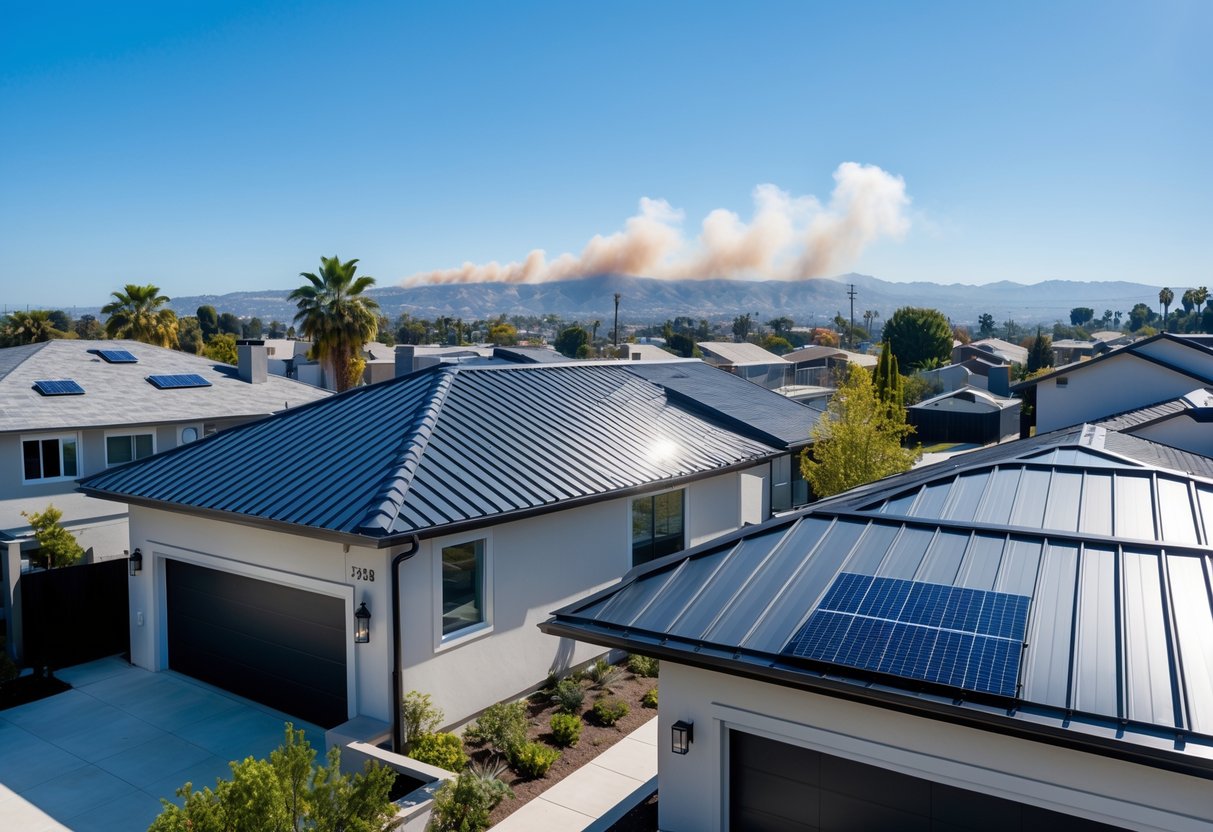
Metal roofs provide non-combustible protection that can slow or stop the spread of flames. Their durability and resistance to ignition make them a strong choice in regions where wildfires and ember exposure are common.
How Metal Roofing Performs in Wildfire-Prone Areas
In Los Angeles and other high-risk zones, flying embers often cause homes to ignite. Metal roofing resists ignition because it is non-combustible and does not provide fuel for a fire. Unlike wood shakes or untreated shingles, metal panels maintain their structure under direct flame or radiant heat.
Many metal roofs achieve a Class A fire rating, the highest rating for roofing materials. This means they can withstand severe fire exposure tests, including burning brand simulations and flame spread resistance. Homeowners in Very High Fire Hazard Severity Zones often must use Class A materials to meet local codes, making metal roofing a compliant option.
Durability also matters. Metal roofing does not crack under heat, and when installed with a fire-resistant underlayment, it creates an added barrier against ember intrusion. Regular maintenance, such as clearing gutters and debris, improves its effectiveness during fire season.
Comparison to Combustible Roofing Materials
Combustible roofing materials, such as untreated wood shakes or low-rated asphalt shingles, can ignite quickly when exposed to embers. Once burning, these materials allow flames to spread across the roof surface, increasing the risk of structural loss.
By contrast, metal, clay, and concrete tile roofs resist ignition and limit fire spread. Among these, metal roofing offers a lighter weight and greater durability against both fire and weather.
The differences can be summarized:
| Roofing Material | Fire Rating Potential | Combustibility | Durability |
|---|---|---|---|
| Metal Roofing | Class A | Non-combustible | High |
| Asphalt Shingles | Class A–C | Combustible | Moderate |
| Wood Shakes | Class C or lower | Highly combustible | Low |
Choosing non-combustible roofing materials like metal reduces fire risk and meets stricter building codes in wildfire-prone areas.
Energy Efficiency: Fact vs. Fiction
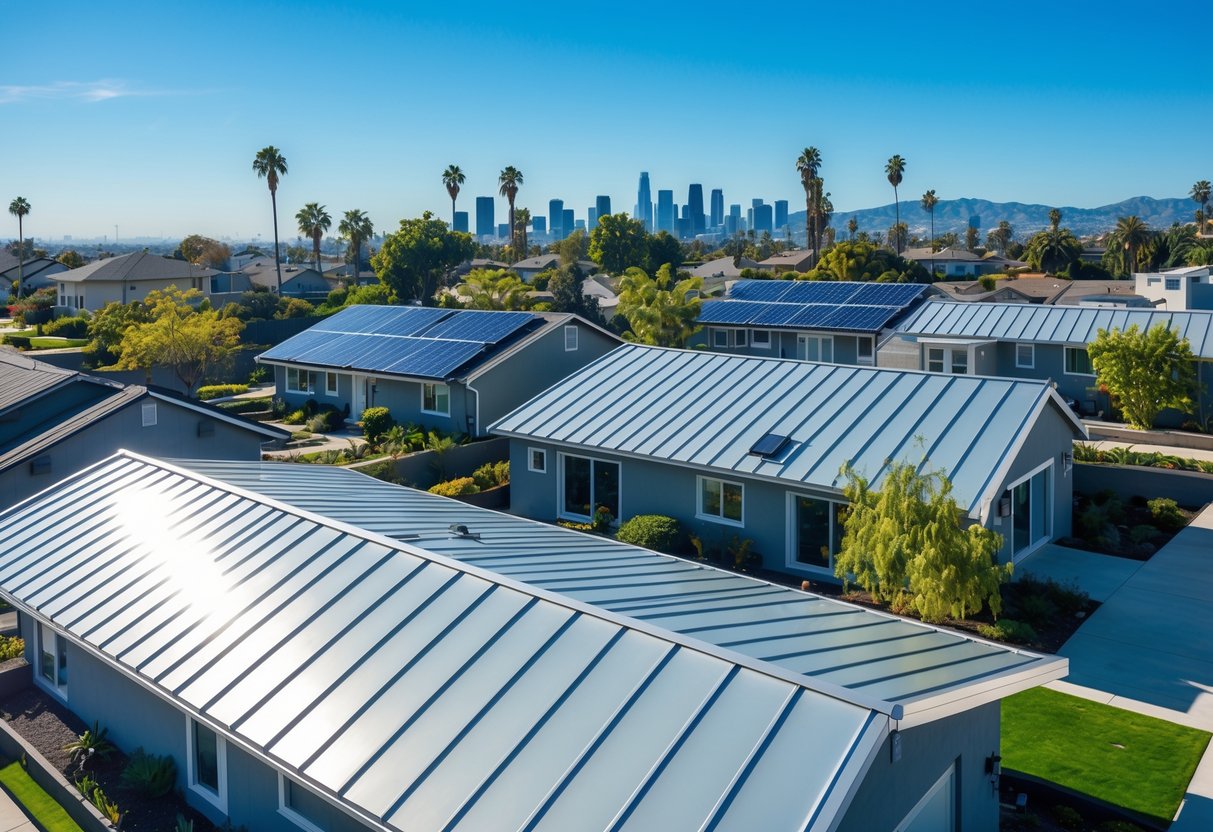
Metal roofing can influence how a home manages heat and cooling demands. Its surface properties and installation methods affect how much sunlight is reflected and how much energy a household uses during hot weather.
Reflectivity and Heat Reduction
Metal roofing reflects a significant portion of the sun’s rays, reducing how much heat penetrates into the home. Unlike dark asphalt shingles that absorb heat, lighter-colored or specially coated metal panels can lower surface temperatures by several degrees.
This reflective quality is especially valuable in sunny climates like Los Angeles. Roofs exposed to long hours of direct sunlight benefit from coatings such as cool roof finishes that meet ENERGY STAR® standards. These coatings improve solar reflectance, which helps keep attic spaces cooler.
The effectiveness depends on color and finish. For example:
| Roof Material | Approx. Solar Reflectance |
|---|---|
| Dark Asphalt Shingles | 0.05–0.15 |
| Standard Metal Roof | 0.25–0.40 |
| Cool-Coated Metal Roof | 0.50–0.70 |
By reflecting more sunlight, metal roofing reduces thermal transfer into the home, which helps maintain lower indoor temperatures without heavy reliance on air conditioning.
Impact on Cooling Costs in LA Homes
In Los Angeles, cooling costs often outweigh heating costs due to long, hot summers. A properly installed metal roof can cut cooling demand by reducing attic heat buildup. This means air conditioners do not need to run as often or as long to keep rooms comfortable.
Studies by the U.S. Department of Energy show that reflective metal roofing can reduce cooling energy use by up to 10–25% in warm climates. While results vary by house design and insulation, homeowners in LA often see noticeable savings.
Installation also matters. A ventilated roof assembly with proper underlayment enhances airflow and prevents trapped heat. Pairing reflective roofing with attic insulation creates a layered defense against high temperatures.
These combined features make metal roofing a practical option for energy efficiency in LA homes, where managing cooling costs is often a priority.
Professional Installation and Maintenance Considerations
Proper installation and upkeep determine how well a metal roof performs in terms of fire safety, noise control, and long-term durability. Skilled contractors, correct methods, and consistent maintenance all play a direct role in extending the lifespan of the roof and protecting the home.
Importance of Choosing a Qualified Roofing Contractor
Hiring a licensed and insured roofing contractor ensures compliance with Los Angeles building codes, which often mandate Class A fire-rated materials in high-risk zones. A qualified contractor also understands local climate challenges, such as heat and wildfire exposure, and selects the right underlayment and fastening systems.
Experience matters. Contractors with a proven record in metal roof installation can prevent problems like loose seams, exposed fasteners, and poor ventilation. These issues can lead to leaks, higher noise levels, or reduced fire resistance.
Homeowners should verify credentials through the California Contractors State License Board (CSLB). Checking references and past projects helps confirm the contractor’s ability to handle specialized work like standing seam or corrugated metal systems.
Best Practices for Metal Roof Installation
Correct installation begins with a solid roof deck and fire-resistant underlayment. The underlayment provides a second layer of defense against both moisture and embers, which is especially important in wildfire-prone areas of Los Angeles.
Fastening methods also matter. Hidden fastener systems, such as standing seam panels, reduce the risk of water intrusion and minimize rattling during high winds. Exposed fasteners require careful sealing and ongoing inspection.
Proper ventilation is another key step. Ridge vents and soffit vents help regulate attic temperature, lowering cooling costs and reducing stress on the roof. Flashing around chimneys, skylights, and valleys must be sealed tightly to prevent leaks.
Maintenance Tips for Longevity
Metal roofs need less upkeep than other materials, but regular checks help prevent small issues from becoming costly repairs. Inspections should focus on seams, fasteners, flashing, and sealants.
Debris removal is critical. Leaves, pine needles, and branches can trap moisture and create fire hazards if left on the roof or in gutters. Cleaning at least twice a year reduces these risks.
Homeowners should also schedule professional inspections after major storms or wildfire events. Addressing dents, scratches, or coating damage promptly helps maintain both fire resistance and energy efficiency. Routine care can extend a metal roof’s lifespan well beyond 40 years.
Frequently Asked Questions
Metal roofing offers benefits in durability, fire safety, and energy savings, but it is often misunderstood. Many concerns about noise, cost, and upkeep come from outdated information rather than current roofing practices.
Does metal roofing increase noise levels during rain or hail?
Modern metal roofs are installed with underlayment, sheathing, and insulation that reduce sound. When properly installed, they are no louder than asphalt shingles during rain or hail.
Is metal roofing more fire-resistant than other roof materials?
Metal roofing is non-combustible and does not ignite from sparks or embers. This makes it more fire-resistant than materials like wood shingles, which can burn under the same conditions.
How does metal roofing impact energy efficiency in homes?
Metal roofs reflect solar heat, which helps reduce cooling costs in warm climates. Some systems also use reflective coatings that improve energy efficiency by lowering heat absorption.
Can metal roofs withstand extreme weather conditions common in Los Angeles?
Metal roofing can handle strong winds, heavy rain, and hail without significant damage. Its durability makes it a reliable choice for homes in areas with varied weather patterns.
Are there any misconceptions about the cost-effectiveness of metal roofing?
While the initial cost is higher than asphalt shingles, metal roofing lasts longer and requires fewer replacements. Homeowners often save money over time through reduced maintenance and energy efficiency.
What maintenance requirements are associated with metal roofing?
Metal roofs need minimal upkeep compared to other materials. Routine checks for loose fasteners, clearing debris, and ensuring protective coatings remain intact are usually enough to maintain performance.