

Owning a home in Los Angeles means dealing with plenty of sunshine, but also the occasional heavy rain and seasonal winds. These conditions can quietly wear down a roof over time. An annual roof maintenance plan helps protect against costly damage by keeping the roof in strong, reliable condition year-round.
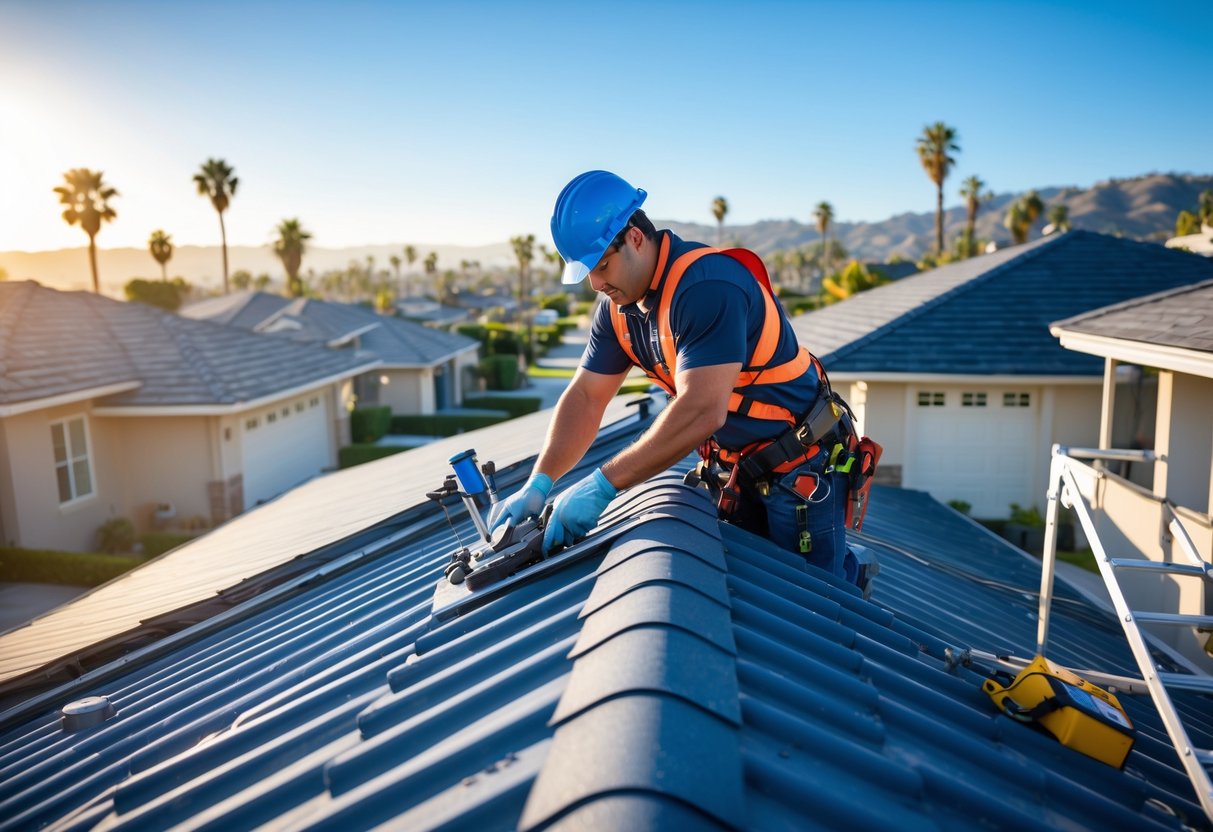
By scheduling regular inspections, cleaning, and small repairs, homeowners can prevent minor issues from turning into expensive problems. A well-maintained roof also supports better energy efficiency, which matters in LA’s hot climate. Taking a proactive approach ensures the roof lasts longer and performs as it should.
An annual plan provides structure and consistency, so nothing gets overlooked. From clearing gutters to checking ventilation, every step adds to the roof’s durability and the home’s overall safety.
Key Takeaways
- Annual maintenance prevents small roof issues from becoming major repairs
- Regular care improves roof performance and energy efficiency
- A structured plan extends roof lifespan and protects the home
What Is an Annual Roof Maintenance Plan?
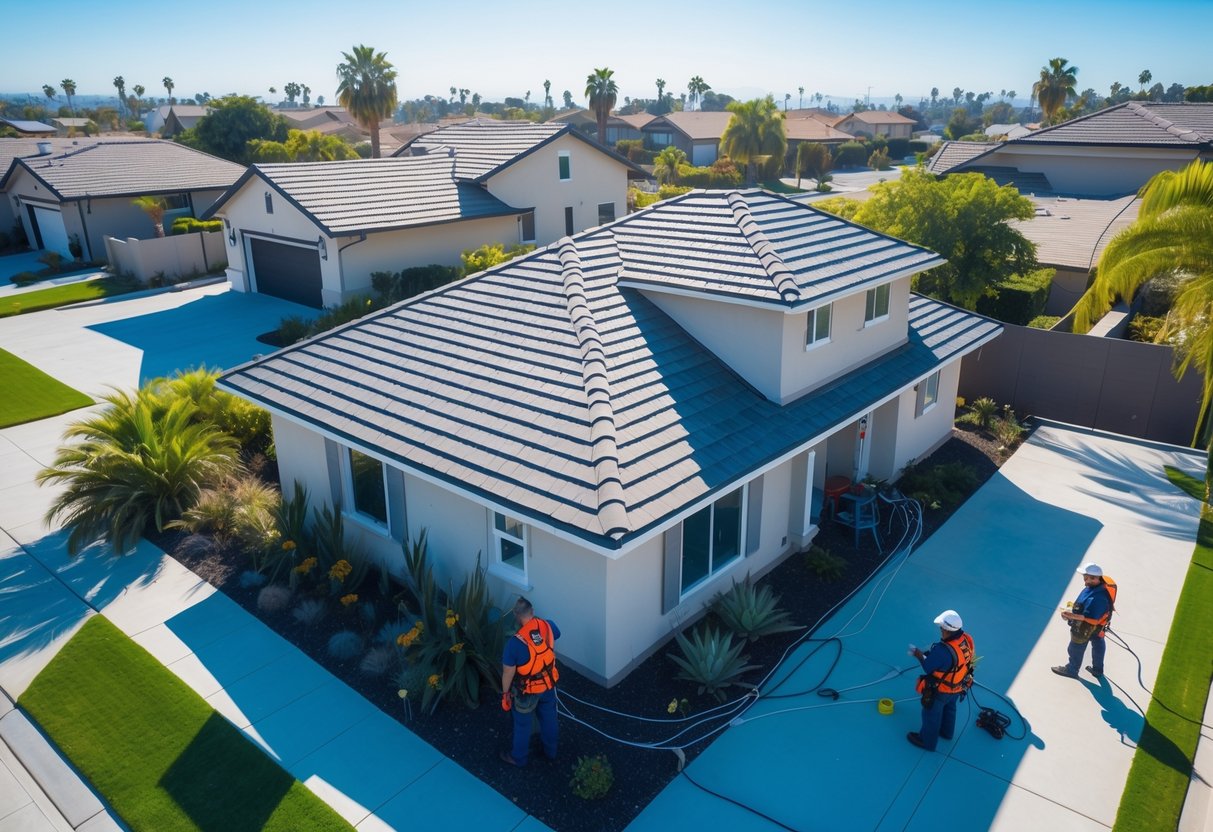
An annual roof maintenance plan is a scheduled service that helps keep a roof in good condition through inspections, cleaning, and small repairs. It reduces the risk of costly damage, extends the life of roofing materials, and provides homeowners with clear records of roof care.
Key Components of a Maintenance Plan
A typical plan begins with a comprehensive roof inspection. Roofing contractors check shingles, tiles, flashing, gutters, and roof penetrations like vents or skylights. They look for cracks, leaks, loose materials, and signs of moisture damage.
Gutter cleaning is another core service. Removing leaves and debris prevents clogs that can cause water to pool on the roof or near the foundation. Contractors may also flush downspouts and secure loose sections.
Minor repairs are often included. This may involve replacing missing shingles, sealing flashing, tightening fasteners, or patching small leaks. These small fixes keep issues from turning into larger structural problems.
Some plans also cover roof cleaning to remove moss, algae, or dirt buildup. In Los Angeles, where air pollution and tree debris are common, this step helps preserve a roof’s appearance and performance.
At the end of each visit, contractors usually provide a maintenance report. This document outlines the roof’s condition and completed work, which can be useful for insurance or resale purposes.
Benefits for LA Homeowners
Los Angeles homes face unique conditions that make routine roof care important. Intense sun exposure can dry and crack roofing materials, while seasonal rains can exploit even small leaks. A plan ensures these problems are caught early.
Regular maintenance also improves energy efficiency. Proper ventilation and insulation checks help keep attics cooler in summer, lowering air conditioning use. In a city with high energy costs, this can make a noticeable difference.
Costs are another factor. In LA, residential maintenance plans often range from $200 to $500 per year. This is far less than the thousands a homeowner might spend on major repairs or a premature roof replacement.
A well-documented maintenance history can also support insurance claims and increase buyer confidence if the home is sold. For many homeowners, these records are just as valuable as the service itself.
How Maintenance Plans Differ by Roof Type
Not all roofs in Los Angeles require the same care. Asphalt shingle roofs, the most common type, often need regular inspections for cracked or missing shingles and may benefit from low-pressure cleaning.
Tile roofs, popular in many LA neighborhoods, are durable but can crack under foot traffic. Maintenance plans for tile roofs usually focus on careful inspections, replacing broken tiles, and keeping underlayment dry.
Flat or low-slope roofs, often found on modern or commercial-style homes, require extra attention to drainage. Contractors check for ponding water, clogged drains, and membrane damage that can lead to leaks.
Metal roofs, though less common, are inspected for rust, loose fasteners, and sealant wear. Maintenance here often involves resealing seams and keeping surfaces free of debris.
By tailoring services to the roofing material, a contractor ensures the plan addresses the roof’s specific weaknesses and extends its lifespan.
Comprehensive Roof Inspections

A roof inspection evaluates both visible and hidden issues that affect the roof’s safety, energy efficiency, and lifespan. It can reveal problems with shingles, flashing, or ventilation before they lead to costly repairs.
Interior and Exterior Inspection Checklist
Inspectors review both the outside and inside of the home to get a full picture of the roof condition. On the exterior, they check asphalt shingles, flashing, gutters, and skylights for cracks, curling, or leaks. Flat roofs require attention to pooling water and membrane wear.
Inside the home, the attic and ceilings are inspected for water stains, mold, mildew, and ventilation problems. Poor airflow may cause heat buildup and shorten shingle life.
A simple checklist often includes:
| Area | What to Look For |
|---|---|
| Shingles | Missing, cracked, or curled edges |
| Flashing | Rust, gaps, or weak sealant |
| Gutters | Blockages, granule buildup, poor drainage |
| Attic | Moisture, mildew, insufficient airflow |
| Ceilings/Walls | Stains, discoloration, sagging plaster |
This structured approach helps identify issues early and supports timely maintenance.
Identifying Common Roofing Issues
In Los Angeles, roofs face intense sun, seasonal rain, and seismic activity that speed up wear. Asphalt shingles often show granule loss, curling, or cracking. On flat roofs, ponding water and membrane splits are common.
Flashing around chimneys, vents, and skylights can rust or separate, creating leak points. Sealants also dry out under UV exposure.
Water intrusion often shows up as stains on ceilings or walls. Over time, this can lead to mold growth. In some cases, sagging roof decks signal structural damage from long-term leaks.
By catching these problems early, homeowners can prevent larger repairs and extend the roof’s service life.
Professional vs. DIY Roof Inspections
Homeowners can spot obvious issues like missing shingles or clogged gutters, but many problems remain hidden without training. A professional roofing contractor uses tools such as moisture meters, drones, or infrared cameras to detect leaks and weak spots.
DIY checks work best as a quick scan after storms or seasonal changes. However, professional roof inspections provide a detailed report with photos, repair priorities, and cost estimates.
Hiring a licensed, insured contractor also ensures compliance with local codes and safety standards. For most homeowners, combining occasional DIY checks with an annual professional inspection offers the most reliable protection.
Seasonal Roof Maintenance Tasks
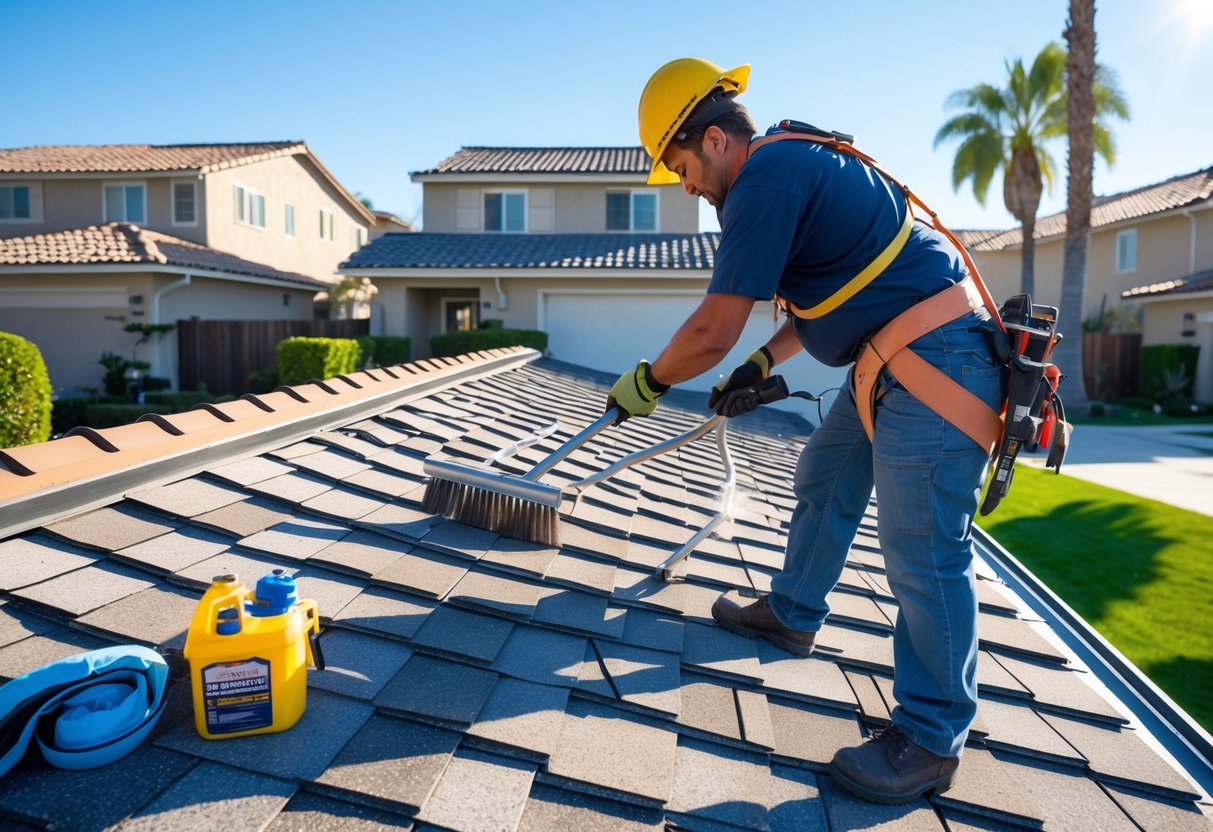
Seasonal care helps keep roof health steady by addressing climate-related stress. Regular inspections, cleaning, and small repairs reduce the risk of leaks, improve energy efficiency, and extend the life of the roof.
Spring and Summer Maintenance Priorities
In Los Angeles, spring and summer bring long hours of sun and occasional high winds. UV exposure can dry out shingles and tiles, leading to cracks or fading. Homeowners should check for brittle materials and replace any damaged pieces early.
Gutters often collect pollen, dust, and small debris during spring. Cleaning them ensures proper drainage and prevents water from backing up onto the roof surface. A clear drainage system reduces the chance of mold or rot.
Flat roofs require extra attention after spring rains. Standing water should be cleared, and drains must remain open. Applying reflective coatings during summer helps lower indoor temperatures and supports better energy efficiency.
Checklist for spring/summer tasks:
- Inspect shingles, tiles, or membranes for cracking
- Clean gutters and downspouts
- Check for ponding water on flat roofs
- Apply reflective coating where needed
- Trim branches that hang over the roofline
Fall and Winter Preparation
Fall often brings leaves, twigs, and other debris that can clog gutters. Clearing these materials before winter storms is essential to keep water flowing away from the home. Blocked gutters can cause leaks and weaken fascia boards.
Roof flashing and sealants should be inspected before the rainy season. Any gaps around chimneys, vents, or skylights allow water intrusion. Re-caulking or tightening fasteners prevents costly repairs later.
In cooler months, attic ventilation becomes important. Poor airflow may trap moisture and reduce insulation performance. A well-ventilated attic helps maintain roof health and supports energy efficiency by regulating indoor temperatures.
Checklist for fall/winter tasks:
- Remove leaves and debris from gutters
- Inspect flashing and reseal joints if needed
- Check attic for moisture or poor ventilation
- Secure loose shingles or ridge caps
- Test drainage paths before heavy rain
Addressing Weather-Specific Challenges
Los Angeles does not face snow or ice dams, but it does experience heavy rain, windstorms, and wildfire risks. Each of these conditions affects the roof in different ways.
After strong winds, homeowners should look for lifted shingles, broken tiles, or displaced flashing. Even small openings can lead to leaks during the next storm.
During wildfire season, dry leaves or pine needles on the roof pose a fire hazard. Removing debris and installing ember-resistant vents reduces risk. Roofs with Class A fire-rated materials offer the best protection.
For homes near the coast, salty air can corrode flashing and fasteners. Regular inspection and replacement of rusted components keep the roofing system secure.
Weather-specific focus areas:
- Wind: check for loose or missing materials
- Rain: ensure drainage and sealant integrity
- Fire: clear debris and use fire-rated materials
- Coastal air: inspect for corrosion on metal parts
Gutter Cleaning and Drainage Management
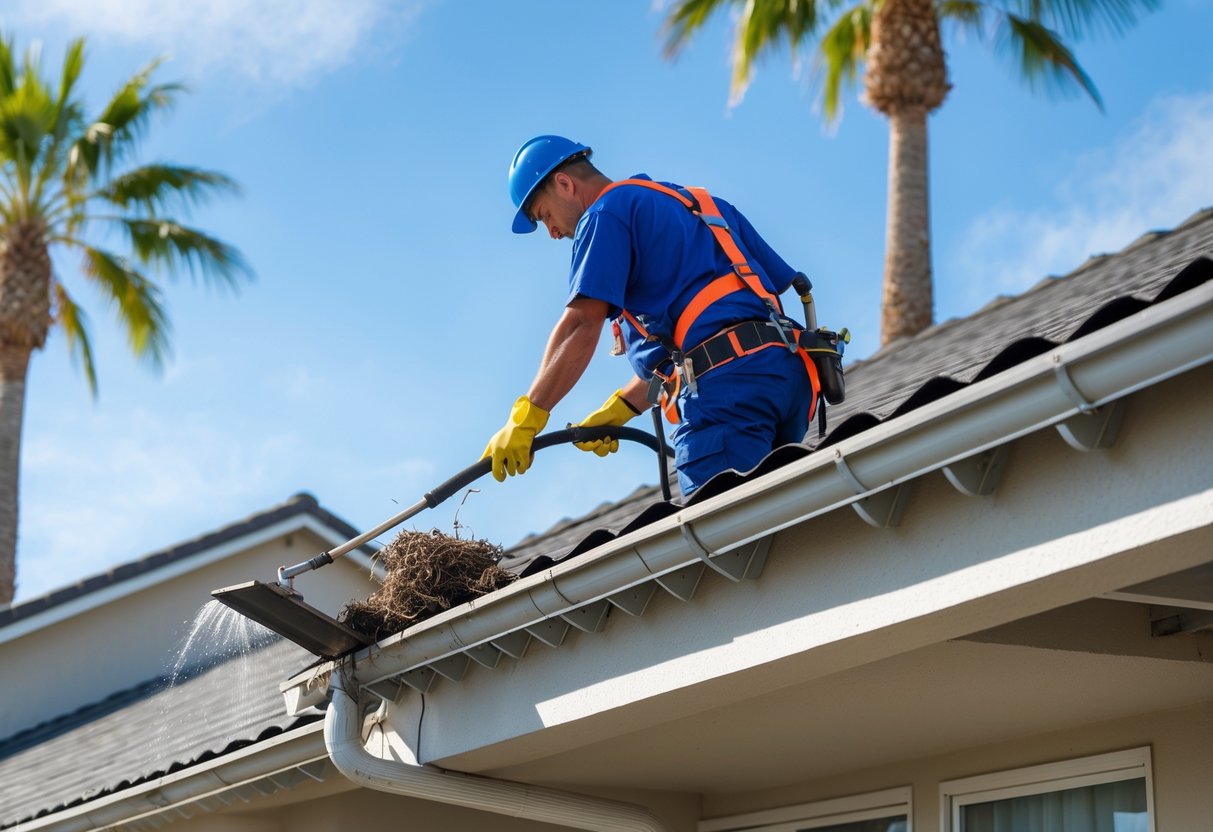
Clean gutters allow water to drain properly, protect the roof from leaks, and reduce the risk of foundation damage. Regular maintenance ensures that debris does not block water flow and that the roof system remains in good condition year-round.
Preventing Clogged Gutters
Clogged gutters often result from leaves, twigs, and dirt building up over time. In Los Angeles, dry debris from trees mixes with seasonal rain, creating blockages that force water to overflow. This overflow can damage fascia boards, siding, and even the foundation.
Installing gutter guards helps reduce debris buildup, though they still require periodic checks. Homeowners should also trim nearby trees to limit falling leaves. Seasonal inspections, especially in fall and early winter, are key to staying ahead of clogs.
A simple checklist can help prevent issues:
- Inspect gutters after heavy winds or storms
- Remove visible debris with gloves or a scoop
- Check downspouts for proper water flow
- Look for sagging or loose gutter sections
These steps keep water moving away from the home and reduce repair costs.
Steps to Clean Gutters Effectively
Safe and effective gutter cleaning starts with the right tools. A sturdy ladder, gloves, a small scoop, and a bucket make the process manageable. For two-story homes, using a hose attachment or hiring a professional may be safer.
Cleaning should begin near the downspouts, where clogs are most common. Debris should be removed by hand or with a scoop, followed by flushing the gutters with water to confirm clear drainage.
It is also important to check for leaks, rust spots, or loose fasteners while cleaning. Addressing these small issues early prevents them from becoming larger problems. Professionals often include sealant repairs or adjustments to gutter slope as part of routine service.
By combining cleaning with inspection, homeowners ensure gutters remain both clear and functional.
Impact on Roof Longevity
Roof health depends heavily on proper drainage. When gutters overflow, water can back up under shingles, causing leaks and rotting roof decking. Over time, this weakens the roof structure and shortens its lifespan.
Clean gutters reduce standing water and prevent ice dams in colder months. Even in Los Angeles, where ice is rare, heavy rains can stress roofing materials if water does not drain properly.
Gutters also protect the fascia and soffits that support the roofline. Damage to these areas can spread quickly to the roof itself. Regular gutter cleaning and inspection therefore play a direct role in extending the life of the roof.
By keeping gutters clear and aligned, homeowners protect both their roof and the overall structure of their home.
Preventive Repairs and Treatments
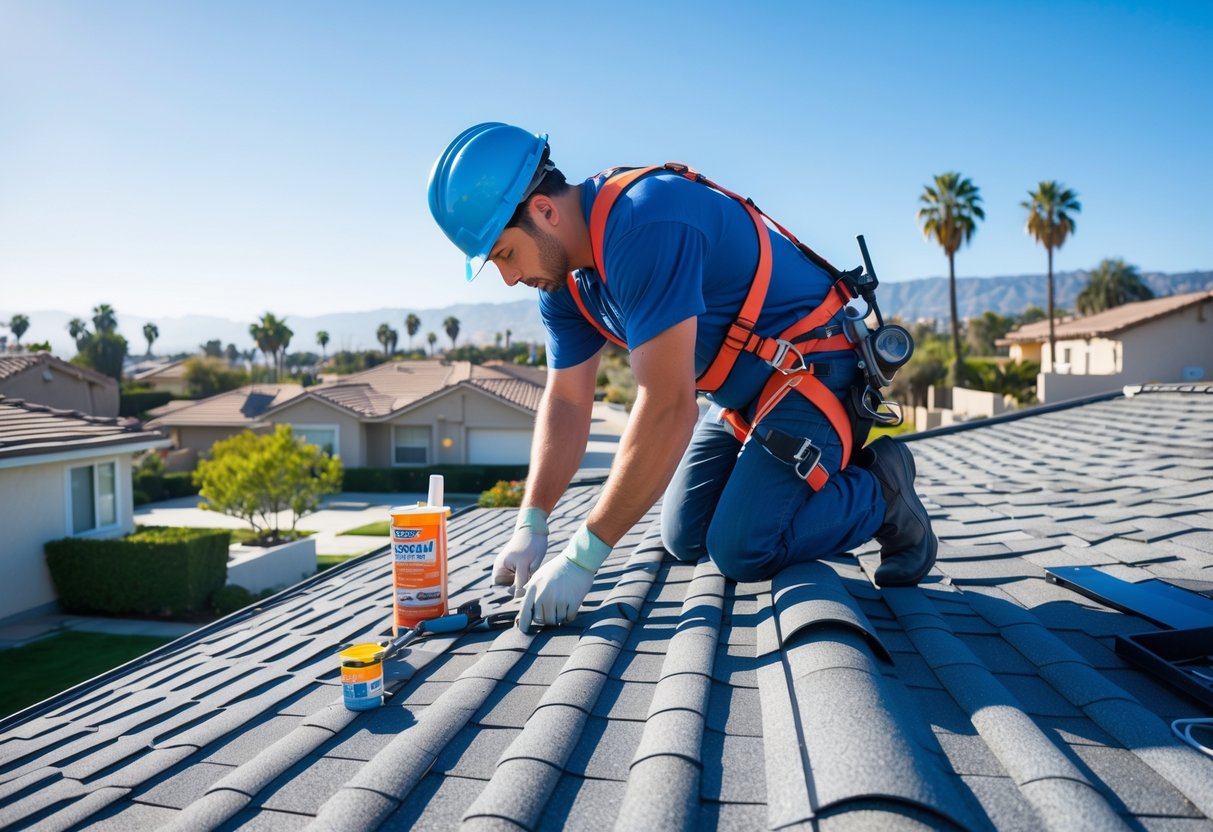
Preventive care helps reduce long-term roofing costs by addressing small issues early, controlling organic growth, and removing external risks that can damage shingles or tiles. Timely action keeps the roof durable, safe, and better prepared for Los Angeles’ sun and rainy seasons.
Minor Roof Repairs and Maintenance
Small roof problems often lead to larger, more expensive repairs if ignored. Cracked shingles, loose flashing, and clogged gutters are common issues in Los Angeles homes. Fixing these early prevents water leaks and structural damage.
Homeowners should schedule biannual inspections—in spring and fall—to catch seasonal wear. Professionals often check for:
- Shingles/Tiles: Cracks, curling, or missing pieces
- Flashing: Rust, gaps, or separation
- Drainage: Blocked gutters or downspouts
Minor repairs usually cost between $150 and $1,000, depending on the materials and labor. Using UV-resistant sealants or replacing damaged sections with weather-suitable materials helps roofs last longer under LA’s intense sun. Keeping records of all repairs ensures better planning for future roof care.
Moss and Algae Treatment
Moss and algae growth can shorten roof lifespan by holding moisture against shingles, leading to rot and surface deterioration. While Los Angeles is dry much of the year, shaded areas and winter rains create the right conditions for growth.
Treatment often involves applying algaecide or moss-killing solutions that are safe for roofing materials. Pressure washing should be avoided, as it can strip protective layers from shingles. Instead, professionals use low-pressure cleaning methods to remove buildup without causing damage.
Preventive steps include installing zinc or copper strips near the ridge line. When rainwater runs over these strips, it creates a surface that resists moss and algae growth. Regular cleaning of debris also helps reduce moisture pockets where moss thrives.
Trimming Overhanging Branches
Overhanging branches create several risks for roofs. They drop leaves that clog gutters, trap moisture, and increase the chance of leaks. Branches can also rub against shingles, wearing away protective layers, or break during storms and cause direct impact damage.
Trimming branches back at least 6 to 10 feet from the roof surface reduces these risks. This clearance improves airflow and sunlight exposure, which keeps the roof drier and less prone to moss or algae.
Professional tree trimming is often safer than DIY work, especially near power lines or tall trees. Regular trimming not only protects the roof but also limits pest access, since rodents often use branches to reach rooftops.
Optimizing Roof Performance and Longevity

Proper roof care goes beyond repairs. Homeowners can extend roof life by keeping airflow balanced, reducing energy waste, and tracking the roof’s condition with accurate records. These steps help prevent hidden damage and keep maintenance costs predictable.
Maintaining Attic Ventilation
Attic ventilation plays a direct role in roof performance. Without steady airflow, heat and moisture build up under the roof deck. This can cause shingles to age faster, wood to warp, and insulation to lose effectiveness.
A well-ventilated attic uses a combination of intake vents (at the soffits) and exhaust vents (at the ridge or gables). This balance allows hot air to escape in summer and reduces condensation in cooler months.
Signs of poor ventilation include uneven roof temperatures, ice dams in winter, or musty odors in the attic. Homeowners should check vents for blockages from insulation or debris and ensure they remain clear year-round.
Hiring a professional to evaluate airflow can confirm whether the attic has the right ratio of intake to exhaust. Proper ventilation not only protects the roof but also improves indoor comfort and lowers strain on HVAC systems.
Improving Energy Efficiency
Energy efficiency and roof condition are closely linked. A roof that reflects heat and maintains insulation reduces cooling costs, which is especially important in Los Angeles’ hot summers.
Key steps include:
- Cool roofing materials that reflect sunlight and reduce surface temperature.
- Proper insulation in the attic to limit heat transfer.
- Sealed flashing and joints to prevent air leaks.
Routine inspections should check for gaps in insulation, damaged underlayment, or worn reflective coatings. Even small issues can increase energy use by forcing air conditioners to work harder.
In many cases, professional maintenance can improve efficiency by 15–20% through better sealing and ventilation adjustments. These improvements not only lower utility bills but also reduce stress on the roof structure over time.
Documenting Roof Maintenance
Keeping accurate maintenance records ensures the roof’s condition is tracked over its lifespan. Documentation helps homeowners plan future repairs, manage costs, and verify warranty coverage.
Useful records include:
| Record Type | Details to Track |
|---|---|
| Inspection Reports | Dates, findings, and recommendations |
| Repair History | Work completed, materials used, costs |
| Photos | Before and after images |
| Warranties | Coverage terms and expiration dates |
Organized records also make it easier to spot recurring issues, such as leaks in the same area or repeated flashing failures. This information helps contractors address root causes instead of temporary fixes.
When selling a property, documented maintenance provides proof of care. Buyers often view a well-documented roof as a sign of a well-maintained home, which can support higher property value.
Frequently Asked Questions
Annual roof maintenance in Los Angeles focuses on regular inspections, cleaning, and timely repairs. The city’s climate, roofing material, and common wear patterns all play a role in how homeowners should approach care and prevention.
What are the essential components of a comprehensive annual roof maintenance plan?
A complete plan includes roof inspections, gutter cleaning, sealant checks, and minor repairs. It should also cover debris removal, flashing inspection, and evaluation of attic ventilation. Professional assessments once or twice a year help identify issues early.
How does the climate in Los Angeles impact roof maintenance requirements?
Los Angeles roofs face strong sun, seasonal winds, and occasional heavy rain. UV exposure can weaken shingles, while debris from windstorms often clogs gutters. In coastal areas, salty air may also speed up corrosion of metal components.
What are the common signs that indicate a need for roof maintenance or repair?
Missing or cracked shingles, sagging rooflines, and water stains in the attic often point to problems. Clogged gutters, mold growth, or daylight visible through roof boards are also signs that repairs are needed.
How can homeowners prevent common roofing issues in Los Angeles?
Regular gutter cleaning, trimming nearby trees, and scheduling seasonal inspections reduce the risk of leaks and damage. Applying protective coatings on flat roofs and replacing worn sealant around flashing also help extend roof life.
What is the typical cost range for an annual roof maintenance service in Los Angeles?
Most annual services range from $250 to $600, depending on the roof size and material. More complex roofs with tile or flat systems may cost more due to specialized labor and materials.
Are there specific roofing materials that perform better in the Los Angeles climate?
Clay tile, asphalt shingles, and cool roof systems are well-suited for the region. Clay tile resists heat and fire, asphalt shingles offer affordability and durability, and cool roofs reflect sunlight to lower energy use.